
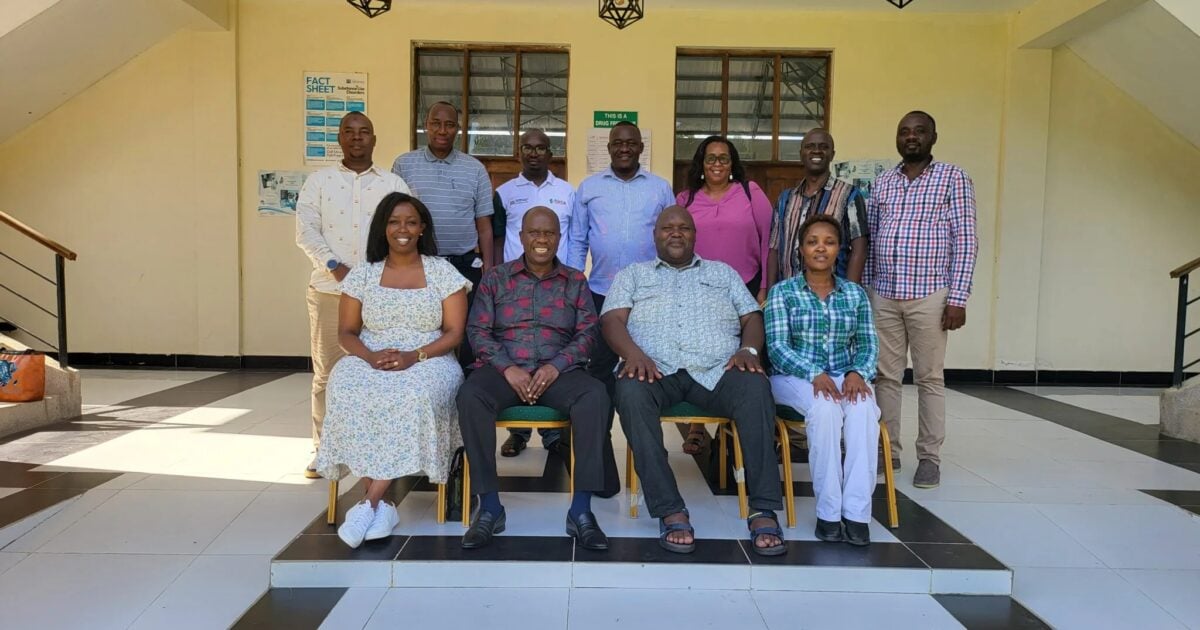
NACADA: CBR Guidelines Validation Kenya Enhances Drug Rehab
Summary
- NACADA's Board of Directors officially validated new Community-Based Rehabilitation (CBR) Guidelines on October 17, enhancing Kenya's demand reduction strategies.
- The guidelines establish a comprehensive framework to decentralize drug and substance abuse rehabilitation services to the grassroots level, addressing a significant national treatment gap.
- The framework outlines a full continuum of care, including prevention, treatment, and social reintegration, with a focus on vulnerable populations.
- Community Coordination Committees (CCCs) will be formed to strengthen and coordinate CBR services locally, involving diverse stakeholders.
- Robust monitoring, evaluation, and strict ethical provisions, including data protection and conflict of interest rules, are integral to the new guidelines.
NACADA Validates New Community-Based Rehabilitation Guidelines
The validation of these guidelines is a landmark move, promising to bring essential support closer to those who need it most, thereby strengthening the overall national response to drug and substance abuse.
The National Authority for the Campaign Against Alcohol and Drug Abuse (NACADA) Board of Directors officially validated new Community-Based Rehabilitation (CBR) Guidelines on October 17, marking a pivotal moment in Kenya's efforts to combat drug and substance abuse. This decision, made during a board meeting chaired by Stephen Mairori, signifies the highest level of organizational commitment to enhancing demand reduction strategies across the nation to date. The newly endorsed guidelines are designed to establish a comprehensive operational framework, facilitating the decentralization of critical rehabilitation services to the grassroots level, where the need is most acute.
Kenya currently faces a significant treatment gap in its response to substance use disorders. The country possesses only 135 accredited treatment and rehabilitation facilities, offering a combined capacity of just 3,790 beds. This limited infrastructure struggles to serve a population where approximately 1.36 million Kenyans aged 15–65 are affected by severe alcohol use disorder, and 887,627 suffer from severe tobacco use disorder, according to NACADA's National Survey. Many individuals requiring assistance are unable to access formal treatment due to various barriers, including the scarcity of services, prohibitive costs, societal stigma, and a shortage of trained addiction professionals.
The **Kenya Community-Based Rehabilitation framework** directly addresses these challenges by integrating care into existing primary healthcare systems and community structures. This approach offers a cost-effective, community-centered alternative that significantly expands equitable access to a full spectrum of services, encompassing prevention, treatment, rehabilitation, and social reintegration. The validation of these guidelines is a landmark move, promising to bring essential support closer to those who need it most, thereby strengthening the overall national response to drug and substance abuse.
Comprehensive Framework for Decentralized Care
The validated guidelines outline a robust continuum of care, designed to support individuals through every stage of recovery. This includes prevention initiatives, early identification, screening, referral processes, treatment, ongoing recovery support, aftercare, relapse prevention, and comprehensive social reintegration. A diverse array of key interventions is specified, such as community outreach programs, low-intensity and intensive outpatient programs, medication-assisted treatment, peer support networks, sober living homes, harm reduction services, mobile treatment units, and faith-based programs.
A central innovation within the framework is the establishment of Community Coordination Committees (CCCs). These committees will play a crucial role in coordinating and strengthening CBR services at the local level, bringing together a multidisciplinary group comprising health professionals, social workers, psychologists, Community Health Promoters, individuals with lived experience, families, local administration, and faith-based organizations. Community Health Promoters are specifically tasked with conducting screenings using validated tools and facilitating referrals to appropriate services. The framework prioritizes vulnerable and underserved populations, including persons engaged in commercial sex work, individuals with disabilities, out-of-school children and youth, those in contact with the criminal justice system, older persons, street-connected individuals, refugees, and internally displaced persons.
Beyond clinical interventions, the guidelines champion gender-responsive services, trauma-informed care, and the active involvement of families and caregivers throughout the recovery journey. Social reintegration is a cornerstone of the framework, recognizing that recovery extends beyond medical treatment to restoring an individual's dignity, functionality, and sense of belonging within their families and communities. This encompasses efforts in stigma reduction, family and community reintegration, educational support, vocational training, employment assistance, and housing support.
Oversight and Ethical Safeguards
To ensure the effectiveness and accountability of the **NACADA CBR guidelines validation Kenya**, the framework incorporates robust monitoring and evaluation mechanisms. These include the development of a standardized national curriculum for training CBR personnel, the establishment of comprehensive supervision and mentorship structures, and a detailed set of indicators to track program performance and client outcomes. Data collection tools will be meticulously aligned with national health information systems, including the Electronic Community Health Information System (eCHIS), ensuring consistent and reliable data capture.
Ethical and human rights considerations are deeply embedded throughout the entire framework. The guidelines feature explicit provisions for informed consent, strict confidentiality, comprehensive data protection, safeguarding measures, and protection from abuse and exploitation. Furthermore, strong conflict-of-interest provisions are included, specifically prohibiting partnerships with the alcohol, tobacco, and other related industries. This commitment to ethical conduct and human rights underscores the integrity and participant-centered approach of the new **drug and substance abuse policy Kenya**.
Practical Implications
Lawyers advising healthcare providers, NGOs, or community organizations involved in drug and substance abuse rehabilitation in Kenya should familiarize themselves with these new NACADA CBR guidelines to ensure compliance, structure operations, and navigate funding opportunities within the expanded framework. Compliance officers must also integrate these new standards into their organizational policies, particularly regarding data protection, ethical conduct, and conflict of interest.
Source
How does this affect you?
Get an AI analysis of this article grounded in your jurisdictions, practice areas, and any policy documents you've uploaded to Wansom.
Finish Reading the Full Story and the Expert Analysis.
Get the latest legal & regulatory intelligence in Kenya
Wansom is AI and can make mistakes.