
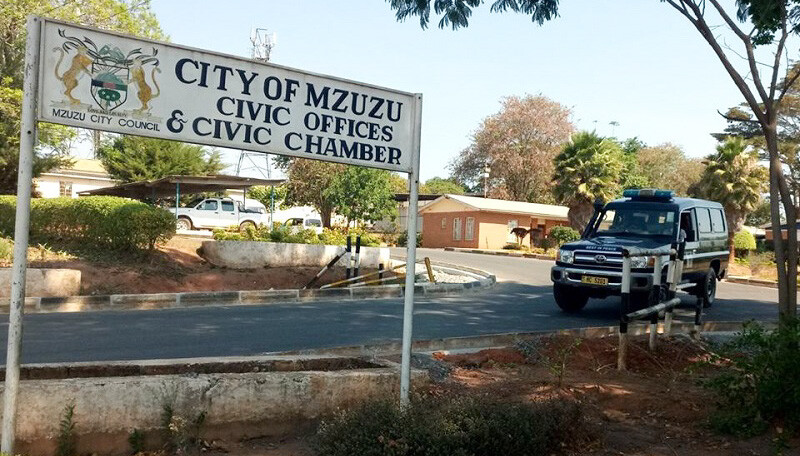
Mzuzu City Council Salary Increment Dispute: Union Meets Secretary
Summary
- Mzuzu City Council Workers Union representatives are meeting the Secretary for Local Government and Rural Development today.
- The union is pushing for a 25 percent salary increment for its members.
- This follows a three-day strike last week and the rejection of the council's 10 percent offer.
- The meeting with Secretary Moses Chimphepo is taking place at Capital Hill in Lilongwe.
What Happened
Lawyers advising local government bodies or public sector unions in Malawi should closely monitor the developments arising from this Mzuzu City Council salary increment dispute.
Representatives from the Mzuzu City Council Workers Union are scheduled to engage in discussions with Moses Chimphepo, the Secretary for Local Government and Rural Development, at Capital Hill in Lilongwe today. This meeting marks a significant escalation in the ongoing Mzuzu City Council salary increment dispute, as the union continues its determined campaign for a 25 percent wage increase for its members. The current situation follows a period of intense negotiations and industrial action.
The dispute intensified last week when the union initiated a three-day strike to press its demands. In response to this industrial action, the Mzuzu City Council put forward an offer of a 10 percent salary hike. However, this proposal was swiftly rejected by the union, which deemed it insufficient to meet their expectations and address their concerns. The union's rejection of the council's offer has led directly to the current high-level intervention, seeking a resolution from a senior government official.
Context of the Dispute
This Mzuzu City Council salary increment dispute highlights broader challenges within Malawi's local government wage negotiations. The Mzuzu Council Workers Union negotiations are indicative of the collective bargaining processes that public sector employees undertake to secure improved working conditions and remuneration. The decision to reject the council's 10 percent offer and escalate the matter to the Secretary for Local Government underscores the union's commitment to its initial 25 percent demand.
Such disputes often involve complex discussions between employee representatives and local authorities, sometimes requiring intervention from higher levels of government when an impasse is reached. The current engagement with Secretary Moses Chimphepo at Capital Hill in Lilongwe signifies the union's strategic move to leverage central government influence in their pursuit of a more favorable outcome for the Mzuzu City Council workers. This approach is a common tactic in Malawi public sector collective bargaining when local negotiations fail.
Implications for Public Sector Negotiations
The outcome of these discussions between the Mzuzu City Council Workers Union and the Secretary for Local Government could establish important precedents for future labor relations across Malawi's public sector. A successful resolution for the union's 25 percent salary increment demand might embolden other local government unions to pursue similar increases, potentially influencing the landscape of Malawi public sector collective bargaining. Conversely, a prolonged stalemate or an unfavorable outcome could shape strategies for industrial action and dispute resolution mechanisms.
Lawyers advising local government bodies or public sector unions in Malawi should closely monitor the developments arising from this Mzuzu City Council salary increment dispute. The manner in which this particular wage dispute is resolved, or indeed if it leads to further industrial action, will offer valuable insights into the dynamics of collective bargaining and the role of central government in mediating such conflicts within the Malawian public sector. The ongoing Mzuzu Council Workers Union negotiations are therefore not just about one council's salaries, but could have wider ramifications.
Practical Implications
Lawyers advising local government bodies or public sector unions in Malawi should monitor the outcome of these salary negotiations, as they may set precedents for future collective bargaining agreements, industrial action protocols, or dispute resolution mechanisms within the Malawian public sector.
Source
How does this affect you?
Get an AI analysis of this article grounded in your jurisdictions, practice areas, and any policy documents you've uploaded to Wansom.
Finish Reading the Full Story and the Expert Analysis.
Get the latest legal & regulatory intelligence in Malawi
Wansom is AI and can make mistakes.