
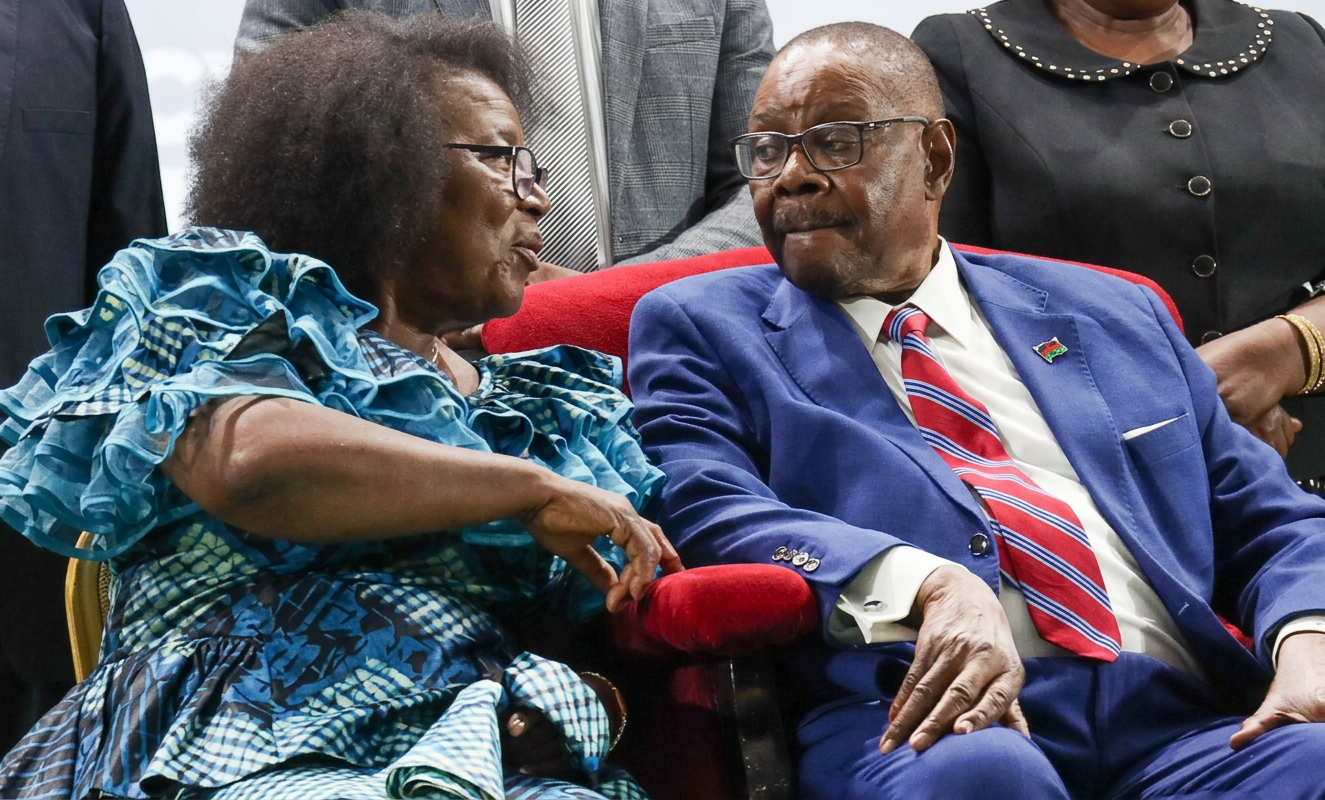
Malawi: Mutharika Addresses DPP Succession for 2030 Election
Summary
- President Peter Mutharika addressed the sensitive issue of succession within the ruling Democratic Progressive Party (DPP) before a private trip to South Africa.
- The discussion occurred during an interview with State House press secretary Cathy at Kamuzu Palace in Lilongwe.
- The succession question is particularly relevant as Malawi looks ahead to the 2030 elections.
- The internal governance and leadership transition of the DPP are critical for Malawi's political stability.
- Lawyers advising on investment in Malawi should monitor these succession dynamics due to potential impacts on policy and regulatory environments.
President Mutharika Addresses Succession
Lawyers advising clients on political risk or investment in Malawi should closely monitor these DPP Malawi internal governance dynamics.
President Peter Mutharika recently embarked on a private visit to South Africa, departing from Kamuzu Palace in Lilongwe on a Wednesday. Prior to his departure, the Malawian head of state engaged in an interview with State House press secretary Cathy, during which he tackled a highly sensitive political issue: the succession within the ruling Democratic Progressive Party (DPP).
This discussion, initiated by President Mutharika himself, underscores the critical importance of leadership transition planning for the DPP, particularly as the nation looks ahead to the 2030 general elections. The timing of the President's remarks, made just before a private trip, highlights the ongoing internal deliberations and the public interest surrounding the future direction of the party that currently governs Malawi. The question of who will eventually lead the DPP is not merely an internal party matter but carries significant implications for the country's political stability and governance trajectory.
DPP's Future and Malawi's Political Landscape
The Democratic Progressive Party (DPP) holds a pivotal position in Malawi's political architecture as the incumbent ruling party. Consequently, the dynamics of Mutharika DPP succession Malawi are central to understanding the nation's political future. The President's decision to address the succession question well in advance of the 2030 elections signals an acknowledgment of the strategic importance of a clear and stable leadership transition for the party's continued relevance and electoral success. Unresolved leadership questions within a dominant political entity like the DPP can create internal divisions, potentially impacting policy coherence and the government's ability to implement its legislative agenda effectively.
The process of a President Mutharika political transition, whether within the party or at the national level, is a key indicator of institutional strength and democratic maturity. For Malawi, ensuring a smooth and predictable transfer of power within the Democratic Progressive Party leadership Malawi is crucial for maintaining public confidence and fostering a stable political environment. The interview with State House press secretary Cathy provided a rare glimpse into these internal considerations, emphasizing that the party's internal governance is under scrutiny as the country approaches a significant electoral cycle.
Implications for Stability and Investment
The ongoing discussions surrounding the Malawi 2030 election succession within the Democratic Progressive Party carry substantial weight for both domestic stability and international investment. Lawyers advising clients on political risk or investment in Malawi should closely monitor these DPP Malawi internal governance dynamics. Future leadership changes within the ruling party could significantly influence policy direction, regulatory environments, and legislative priorities, creating potential shifts in the operational landscape for businesses and investors.
Uncertainty surrounding political succession, particularly within a ruling party, can introduce elements of Malawi political risk legal implications that require careful assessment. A clear and orderly succession plan, or conversely, a contested one, can either reassure or deter foreign direct investment and impact long-term economic planning. Therefore, understanding the nuances of the DPP's succession strategy, as highlighted by President Mutharika's recent comments, is not just a political observation but a critical component of due diligence for any entity engaged with or considering engagement in the Malawian market.
Practical Implications
Lawyers advising clients on political risk or investment in Malawi should monitor the Democratic Progressive Party's succession dynamics, as future leadership changes could influence policy, regulatory environments, and legislative priorities.
Source
How does this affect you?
Get an AI analysis of this article grounded in your jurisdictions, practice areas, and any policy documents you've uploaded to Wansom.
Wansom is AI and can make mistakes.