
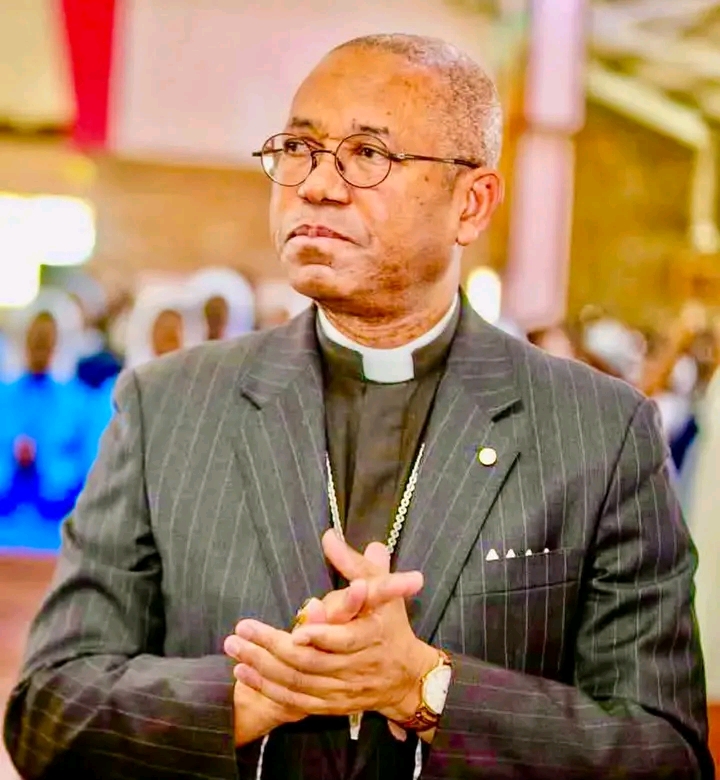
Zambia: Musonda Trevor Mwamba Treason Charges Dropped Due to No Evidence
Summary
- UNIP President Rt. Rev. Dr Musonda Trevor Selwyn Mwamba is reportedly being released from custody.
- Two other individuals are also reportedly being released alongside him.
- Their release stems from a reported lack of evidence concerning treason charges.
- International pressure is reportedly increasing, revealing weaknesses in these Zambian treason cases.
Developments in a High-Profile Case
Their freedom is attributed directly to a reported deficiency in the evidence presented for the treason charges they faced.
The President of the United National Independence Party (UNIP), Rt. Rev. Dr Musonda Trevor Selwyn Mwamba, along with two other individuals, is reportedly being released from custody. This significant development in the Musonda Trevor Mwamba treason charges Zambia case comes as authorities cite an absence of sufficient evidence to proceed with the accusations. The reported UNIP President Mwamba release marks a pivotal moment in a politically sensitive legal proceeding that has drawn considerable attention both domestically and internationally.
Their freedom is attributed directly to a reported deficiency in the evidence presented for the treason charges they faced. This outcome highlights the inherent challenges in prosecuting such serious offenses without a robust evidentiary foundation, especially in cases with pronounced political undertones. The reported lack of compelling proof suggests that the initial basis for the charges may not have met the necessary legal threshold for sustained prosecution, leading to their impending release.
Evidentiary Standards in Zambian Treason Cases
The reported lack of evidence leading to the release of Rt. Rev. Dr Musonda Trevor Selwyn Mwamba and his co-accused brings into sharp focus the evidentiary standards applied in Zambian treason cases. This situation suggests a potential increase in judicial scrutiny regarding the quality and sufficiency of proof presented by the prosecution in politically charged contexts. For legal practitioners, this development could signal a more rigorous approach by the judiciary, emphasizing the necessity for concrete and compelling evidence rather than relying on less substantiated claims in such serious proceedings.
Such an outcome could significantly influence defense strategies for clients facing similar allegations, allowing for a stronger emphasis on challenging the prosecution's evidentiary basis from the outset. It also offers a valuable lens through which to assess the state of due process within the Zambian legal system, particularly when dealing with charges that carry profound political implications for individuals and the broader political landscape. The reported weaknesses in the Zambia treason case evidence could therefore set an important precedent for how future politically sensitive cases are handled and adjudicated, potentially fostering a more evidence-based approach.
Broader Implications and International Scrutiny
The reported release of UNIP President Mwamba and his associates is occurring amidst growing international pressure, which is increasingly exposing what are described as "cracks" in these Zambian political treason cases. This external scrutiny suggests that the international community is closely monitoring the handling of such high-profile legal matters within Zambia, particularly those involving political figures and opposition leaders. The mounting pressure indicates a global interest in ensuring fair trials, adherence to international legal norms, and the protection of fundamental human rights within the country's judicial processes.
The observation that weaknesses are becoming apparent in these treason cases, partly due to international attention, highlights the interconnectedness of domestic legal proceedings and global human rights advocacy. This dynamic can significantly influence how politically sensitive cases are managed and adjudicated, potentially leading to greater accountability and transparency from state institutions. The outcome in this specific instance may therefore reflect a broader trend towards a more critical examination of prosecutorial practices in Zambia, especially concerning charges that could be perceived as politically motivated.
Practical Implications
This development highlights the importance of robust evidence in politically charged cases in Zambia. Lawyers should note that the judiciary may be scrutinizing prosecutorial evidence more rigorously, which could influence defense strategies for clients facing similar charges or inform assessments of due process in the jurisdiction.
Source
How does this affect you?
Get an AI analysis of this article grounded in your jurisdictions, practice areas, and any policy documents you've uploaded to Wansom.
Finish Reading the Full Story and the Expert Analysis.
Get the latest legal & regulatory intelligence in Zambia
Wansom is AI and can make mistakes.