
President Murmu: NGT Conference Urges Traditional Knowledge for Climate Resilience
Summary
- President Droupadi Murmu advocated for integrating traditional knowledge and community participation into climate adaptation strategies at an NGT conference.
- She highlighted that increasing climate impacts necessitate coordinated action and people-centric approaches, especially for vulnerable communities.
- Murmu cited farm ponds as an example of effective local climate adaptation and stressed the importance of indigenous knowledge systems.
- Her speech emphasized that traditional communities possess invaluable knowledge for resilience, rooted in a deep respect for nature.
- The President's remarks suggest a potential policy shift towards incorporating local practices and community involvement in India's environmental governance.
Presidential Call for Integrated Climate Action
Traditional knowledge systems, local community practices, and their lived experiences are crucial for enhancing climate adaptation capacity.
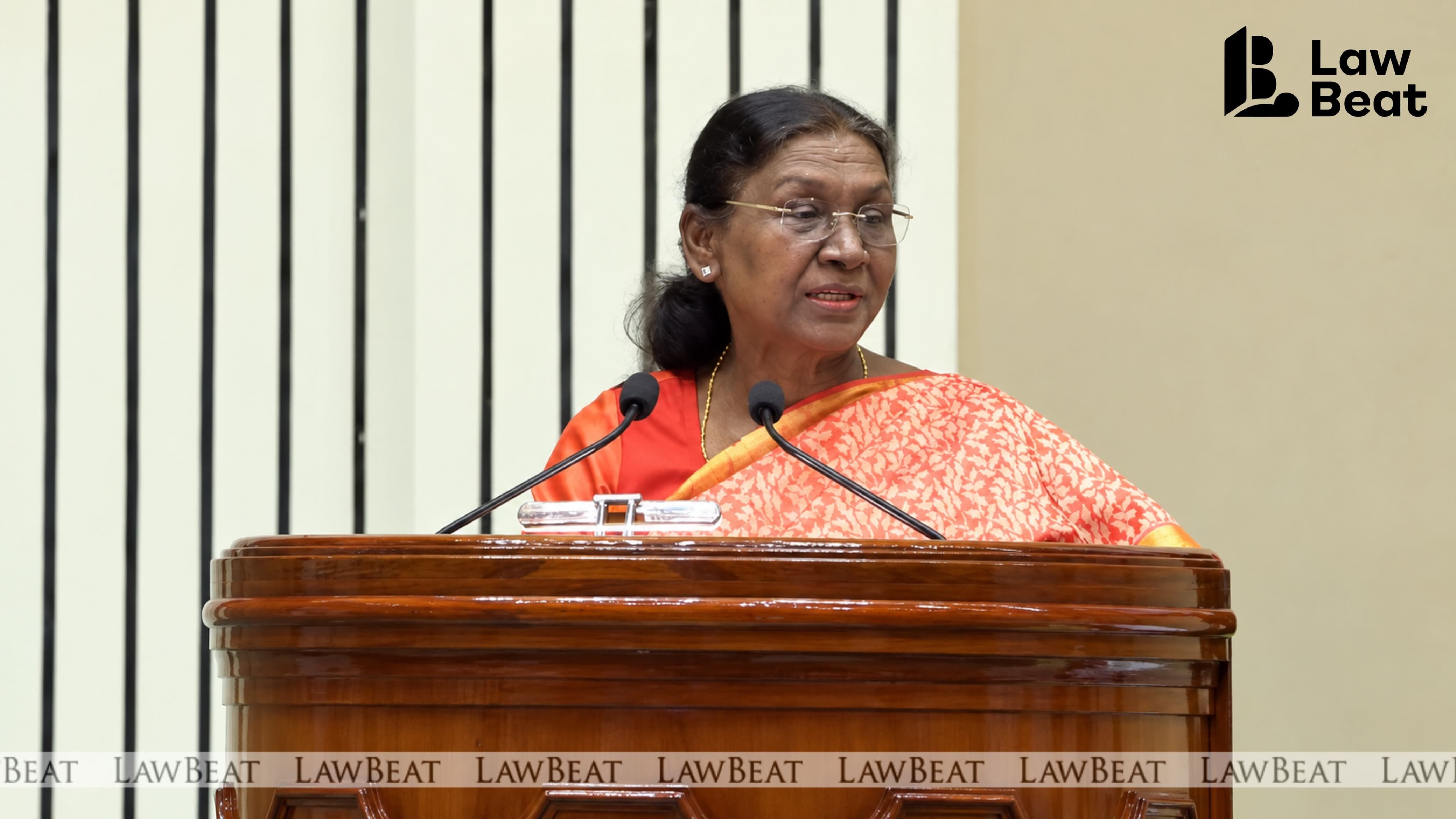
President Droupadi Murmu recently addressed the valedictory session of the National Green Tribunal’s (NGT) International Conference in New Delhi, titled “The Future of Environment and Climate Dynamics.” During her keynote speech, President Murmu underscored the critical necessity of integrating traditional knowledge and fostering community participation to build robust climate resilience across India. Her remarks highlighted a strategic shift towards people-centric and community-based approaches in climate adaptation strategies, recognizing the invaluable role local communities play in mitigating environmental challenges.
The President's address emphasized that the escalating intensity and frequency of climate impacts demand a harmonized response across local, regional, and global scales. She commended the NGT Chairperson and the Tribunal’s dedicated team for orchestrating a significant international dialogue, bringing together a diverse group of experts, judges, legal professionals, and other stakeholders from various countries to deliberate on pressing climate change and environmental issues. This gathering, she noted, continued the NGT's established legacy of promoting international discourse on environmental protection.
Addressing Disproportionate Impacts and Local Solutions
President Murmu articulated that recent natural disasters serve as stark reminders of the urgent need for effective climate action, observing that climate impacts are already manifesting with increased severity and regularity. She pointed out the severe consequences for food security, public health, and livelihoods, further linking climate change to biodiversity loss, water stress, and land degradation. This complex interplay, she argued, necessitates a coordinated framework of policies and actions that extend beyond governmental bodies and legal experts.
A key tenet of her speech was the imperative to actively involve communities most affected by climate change, particularly rural and tribal populations, small farmers, women, and other vulnerable groups who often bear a disproportionate burden from natural disasters. To illustrate practical, locally relevant climate adaptation, President Murmu cited the example of farm ponds. These structures, she explained, can significantly aid communities in water-stressed regions by retaining rainwater, supplying water for irrigation, and contributing to the vital recharge of groundwater.
Valuing Indigenous Wisdom for Resilience
Central to President Murmu’s message was the profound importance of traditional knowledge systems, which have been meticulously developed and preserved by communities over countless generations. She asserted that indigenous communities inherently possess knowledge related to resilience and climate adaptation, deeply embedded within their way of life and characterized by a profound respect for nature. This indigenous knowledge climate resilience offers invaluable insights for contemporary environmental policy.
Drawing from her own experiences, President Murmu recounted a childhood memory from a remote rural area, where her father would respectfully collect dry wood from a nearby forest for cooking. Before cutting the wood, he would bow his head and seek forgiveness, a practice she described as a powerful expression of the symbiotic relationship between humans and the natural world. She further referenced a Vedic verse that speaks to the connection between humanity and Earth, presenting it as an ancient example of principles advocating for sustainable extraction and ecological restoration. She concluded that traditional knowledge systems, local community practices, and their lived experiences are crucial for enhancing climate adaptation capacity.
Implications for Environmental Governance
President Murmu's address signals a potential policy direction in India's environmental governance, emphasizing the integration of traditional knowledge and community-based approaches into climate adaptation strategies. Her remarks suggest that future regulatory frameworks, environmental impact assessments, and the National Green Tribunal’s interpretative approach to climate-related matters may increasingly reflect this emphasis on indigenous knowledge and community participation. The NGT, which she lauded for developing an effective compliance architecture in areas like river protection, air quality, and waste management, and for expeditiously resolving numerous disputes, is well-positioned to champion these principles.
This focus on India climate adaptation traditional knowledge and community participation could influence how environmental projects are conceived, approved, and monitored, requiring a more holistic understanding of local ecological practices. Lawyers advising on environmental projects or engaging in policy advocacy should take note of this presidential endorsement, as it may shape future environmental policy and legal interpretations, fostering a more inclusive and culturally sensitive approach to climate action.
Practical Implications
This speech signals a potential policy direction in India's environmental governance, emphasizing the integration of traditional knowledge and community-based approaches into climate adaptation strategies. Lawyers advising on environmental projects or policy advocacy should note this emphasis, as it may influence future regulatory frameworks, environmental impact assessments, and the NGT's interpretative approach to climate-related matters.
Source
How does this affect you?
Get an AI analysis of this article grounded in your jurisdictions, practice areas, and any policy documents you've uploaded to Wansom.
Finish Reading the Full Story and the Expert Analysis.
Get the latest legal & regulatory intelligence in India
Wansom is AI and can make mistakes.