
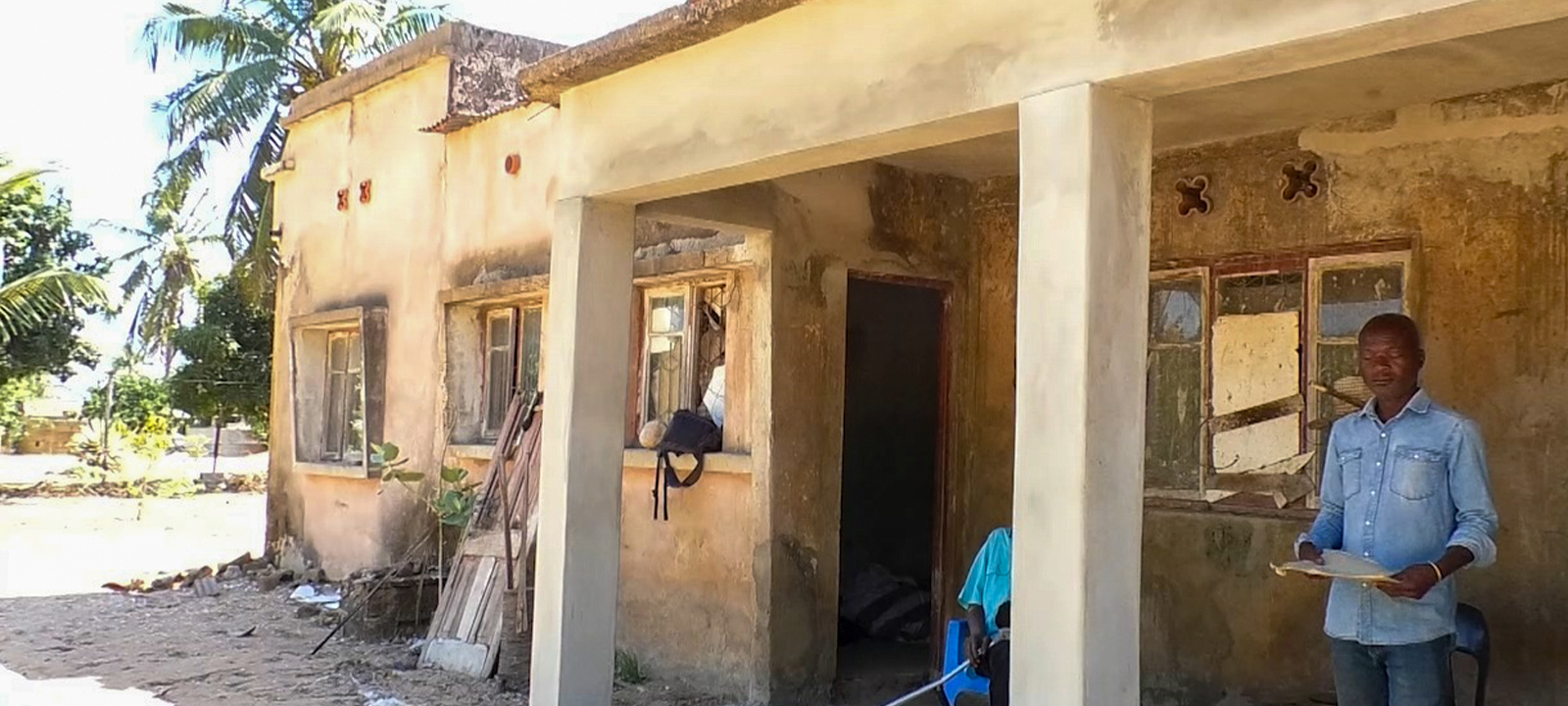
Município Inhambane: Compensação Terreno Pendente Há 15 Anos
Summary
- A family in Inhambane city has been awaiting land compensation for over 15 years.
- The Municipality of Inhambane occupied 15 hectares of their land for a new neighborhood.
- An agreement was made to provide a new plot of land and payment for improvements.
- The affected family states they have not yet received the agreed-upon compensation.
- This case highlights significant delays and non-compliance risks in land compensation agreements with municipal entities in Mozambique.
Prolonged Land Dispute in Inhambane
This specific disputa terra Inhambane serves as a stark illustration of the broader complexities surrounding direitos de propriedade Moçambique, particularly when public bodies are involved in land acquisition.
A family residing in Inhambane city has been embroiled in a protracted dispute spanning over 15 years, seeking rightful compensation for a significant land parcel. The core of the issue revolves around the Municipality of Inhambane's occupation of 15 hectares of their property, which was subsequently earmarked for the development of a new expansion neighborhood within the city.
This long-standing claim highlights the challenges faced by private citizens when their land is appropriated for public projects. The family's persistent efforts to secure a fair resolution underscore the difficulties inherent in navigating such situations, particularly when dealing with municipal entities regarding land occupation.
Unfulfilled Compensation Agreement
Despite the passage of more than a decade and a half, the family asserts that the terms of an agreed-upon compensation package remain unfulfilled. An explicit agreement had been reached, stipulating two key components for the `compensação terreno Município Inhambane`: the allocation of an alternative plot of land and financial remuneration for any improvements, or "benfeitorias," made on the original 15-hectare site.
However, the affected parties, referred to as the "lesados," maintain that they have yet to receive either the promised replacement land or the stipulated payment for the improvements. This non-compliance with the `acordo compensação incumprido` leaves the family in a state of limbo, without the redress they were guaranteed, despite the municipality's continued use of their former property.
Implications for Property Rights in Mozambique
This specific `disputa terra Inhambane` serves as a stark illustration of the broader complexities surrounding `direitos de propriedade Moçambique`, particularly when public bodies are involved in land acquisition. The inability of a family to secure an `indemnização terreno Moçambique` for over 15 years, even after a formal agreement, points to potential systemic issues in the enforcement of such accords.
Legal practitioners and property owners in Mozambique must contend with the reality that agreements with municipal authorities for land occupation, even when formally established, can face significant delays and risks of non-compliance. This case underscores the critical need for robust legal frameworks and enforcement mechanisms to protect individual property rights and ensure that compensation agreements are honored in a timely and equitable manner.
Practical Implications
Lawyers advising on land acquisition or property rights in Mozambique should be aware of the significant delays and potential non-compliance risks associated with compensation agreements involving municipal entities, as demonstrated by this 15-year dispute in Inhambane. This case highlights the challenges in enforcing agreements with public bodies for land occupation and the need for robust legal strategies to secure client interests.
Source
How does this affect you?
Get an AI analysis of this article grounded in your jurisdictions, practice areas, and any policy documents you've uploaded to Wansom.
Finish Reading the Full Story and the Expert Analysis.
Get the latest legal & regulatory intelligence in Mozambique
Wansom is AI and can make mistakes.