
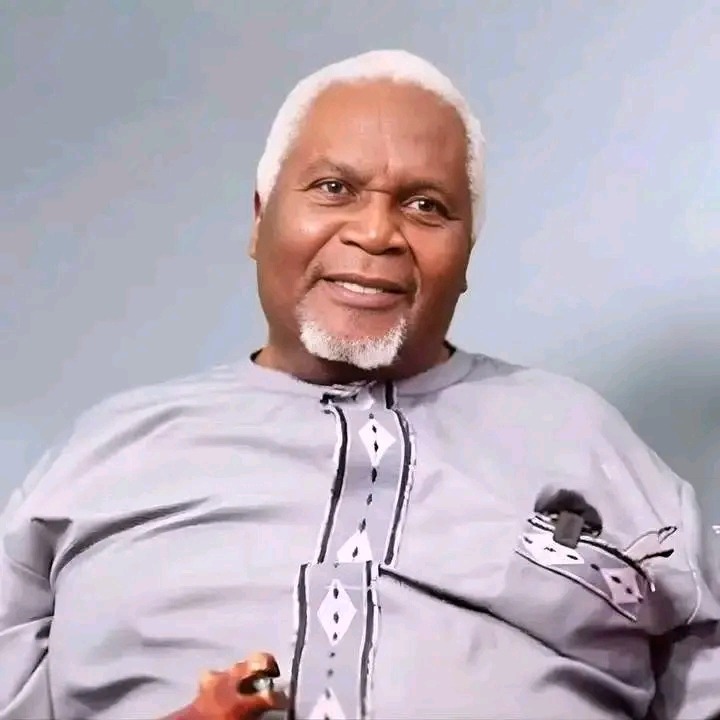
Zambia: Mundubile, Makebi Detention Update; Called Political Prisoners
Summary
- Brian Mundubile and Makebi Zulu are currently in custody in Zambia, reportedly maintaining high spirits and confidence in their release.
- Akashambatwa Mbikusita Lewanika has described Mundubile, Zulu, and others as 'political prisoners'.
- Lewanika drew a parallel between Mundubile's current detention and his father's experience under colonial rule, suggesting Zambia has not yet achieved full independence.
- The situation is framed by Lewanika as part of an ongoing 'independence fight' within the nation.
- These detentions highlight ongoing concerns regarding human rights and political freedoms in Zambia.
Recent Developments in Zambian Custody
This development signals continued scrutiny of political detentions and human rights in Zambia.
A recent update from Zambia indicates that Brian Mundubile and Makebi Zulu remain in custody, with reports suggesting they are maintaining high spirits. Both individuals, along with others, have been characterized as “political prisoners” in statements made by Akashambatwa Mbikusita Lewanika. Despite their detention, Mundubile and Zulu are reportedly confident regarding their eventual release, signaling a determined stance amidst their current circumstances.
This Mundubile Makebi detention Zambia update brings renewed attention to the status of politically exposed persons within the country's legal framework. The assertion by Lewanika that these individuals are political prisoners underscores a particular perspective on the nature of their incarceration. Their reported optimism, even while in Brian Mundubile Makebi Zulu custody, suggests a belief in the eventual vindication of their positions or a resolution to their cases.
Historical Parallels and the 'Independence Fight'
Akashambatwa Mbikusita Lewanika's statement draws a significant historical parallel, asserting that Brian Mundubile's current status as a political prisoner echoes his father's experiences under colonial rule. This comparison is presented by Lewanika as evidence that Zambia has not yet achieved full independence, suggesting an ongoing struggle for true self-determination. The implication is that the nation continues to grapple with issues that undermine its sovereignty, despite having formally gained independence.
Lewanika's remarks frame the current detentions within a broader narrative of an enduring “independence fight,” suggesting that the challenges faced by Zambian political prisoners today are fundamentally linked to unresolved historical injustices or persistent systemic issues. This perspective highlights concerns about Zambia human rights political detention, positioning the current situation as a continuation of historical patterns rather than isolated incidents. The Akashambatwa Mbikusita Lewanika statement thus elevates the discussion beyond individual cases to a national discourse on freedom and governance.
Implications for Human Rights and National Sovereignty
The characterization of individuals like Brian Mundubile and Makebi Zulu as “political prisoners” by a prominent figure such as Akashambatwa Mbikusita Lewanika carries substantial weight, drawing international scrutiny to Zambia's human rights record. Such designations inherently raise questions about due process, freedom of expression, and the impartial application of justice within the nation. The assertion that these detentions signify a lack of true independence suggests a perceived erosion of democratic principles and fundamental liberties.
This development signals continued scrutiny of political detentions and human rights in Zambia. The ongoing discussion around Zambian political prisoners, particularly when framed against a historical backdrop of colonial oppression, underscores the critical importance of upholding constitutional rights and ensuring transparent legal proceedings. The situation, as articulated by Lewanika, serves as a poignant reminder of the delicate balance between state authority and individual freedoms, urging a closer examination of the country's commitment to democratic governance and human rights.
Practical Implications
This development signals continued scrutiny of political detentions and human rights in Zambia, which lawyers advising on political risk, criminal defense, or human rights matters should monitor for potential impacts on legal precedent or client cases involving politically exposed persons.
Source
How does this affect you?
Get an AI analysis of this article grounded in your jurisdictions, practice areas, and any policy documents you've uploaded to Wansom.
Finish Reading the Full Story and the Expert Analysis.
Get the latest legal & regulatory intelligence in Zambia
Wansom is AI and can make mistakes.