
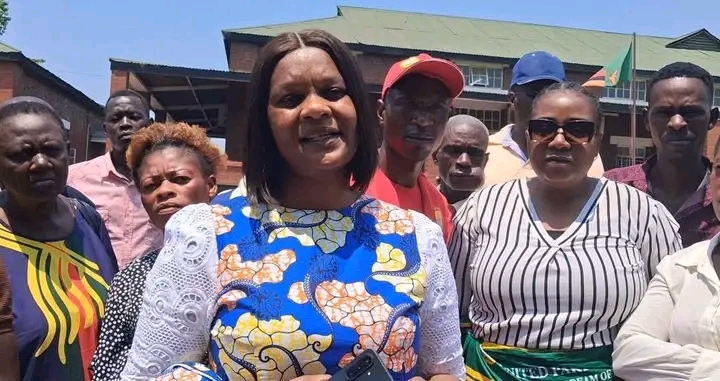
Munashabantu Nullification Appeal Mapatizya: Emelda Challenges Seat Loss
Summary
- UPND's Emelda Munashabantu has appealed the nullification of her election as Member of Parliament for Mapatizya Constituency.
- Munashabantu was initially declared the winner of the parliamentary election, securing 14,812 votes.
- Her seat was nullified following a petition in which she was named the first respondent.
- This appeal is crucial for establishing precedent in the judicial interpretation of electoral laws concerning nullified parliamentary seats in Zambia.
What Happened
The outcome of this appeal will establish a critical precedent concerning the judicial interpretation and enforcement of electoral laws, particularly those pertaining to the nullification of parliamentary seats and the subsequent appellate procedures.
Emelda Munashabantu, representing the United Party for National Development (UPND), has formally launched an appeal against the judicial decision that invalidated her victory as the Member of Parliament for Mapatizya Constituency. This significant development follows a petition that successfully challenged her initial declaration as the winner of the parliamentary election.
Munashabantu had secured her position in the legislative body after receiving a total of 14,812 votes during the election. However, her tenure was cut short when a petition was filed, leading to the nullification of her seat. In the proceedings that resulted in this nullification, Ms. Munashabantu was identified as the first respondent, indicating her central role in the legal challenge. This Munashabantu nullification appeal Mapatizya now moves to a higher court for review.
Legal Background of the Nullification
The nullification of a parliamentary seat in Zambia typically arises from a Zambia parliamentary election petition, a legal mechanism designed to challenge the validity of election results based on alleged irregularities or breaches of electoral law. Such petitions are initiated by aggrieved parties who contend that the electoral process or outcome was flawed, thereby impacting the legitimacy of the declared winner.
In the specific case of the Mapatizya Constituency nullification, the petition against Emelda Munashabantu led to a court ruling that deemed her election invalid. This judicial action underscores the rigorous scrutiny applied to electoral processes in the country, where courts are empowered to overturn election results if sufficient grounds for non-compliance with legal standards are established. The current Emelda Munashabantu election appeal seeks to reverse this lower court's finding, asserting the validity of her original election.
Why This Appeal Matters
The ongoing UPND nullified seat appeal involving Emelda Munashabantu holds considerable importance for the future of electoral jurisprudence in Zambia. The outcome of this appeal will establish a critical precedent concerning the judicial interpretation and enforcement of electoral laws, particularly those pertaining to the nullification of parliamentary seats and the subsequent appellate procedures.
Lawyers advising political parties or candidates in Zambia should closely monitor the progression and resolution of this case. The final judgment will offer significant clarity on the standards required to uphold or overturn election results, influencing how future Mapatizya Constituency nullification scenarios or similar challenges are handled. This appeal is not merely about one seat; it will shape the legal landscape for electoral disputes, providing guidance on the robustness of evidence required and the procedural fairness expected in such high-stakes legal battles. The decision will undoubtedly impact strategies for both petitioners and respondents in future election-related litigation.
Practical Implications
Lawyers advising political parties or candidates in Zambia should monitor the outcome of this appeal as it will set a precedent for the judicial interpretation and enforcement of electoral laws regarding nullified parliamentary seats and the subsequent appeals process.
Source
How does this affect you?
Get an AI analysis of this article grounded in your jurisdictions, practice areas, and any policy documents you've uploaded to Wansom.
Wansom is AI and can make mistakes.