
MTN Ghana: $1.1bn 5G Expansion to Boost Connectivity, Rural Access
Summary
- MTN Ghana has committed over US$1.1 billion across the next three years to expand its network and roll out 5G services.
- This investment follows the National Communications Authority's removal of the wholesale 5G exclusivity framework on July 15, 2026.
- MTN's plan includes building 800 new cell sites, with 180 already operational, focusing on rural and peri-urban areas.
- Telecel Ghana also increased its capital investment by 60% between 2023 and 2026, targeting 2,698 sites with 1,890 already operational.
- These developments are part of government reforms aimed at stimulating investment and improving high-speed mobile access nationwide.
Major Investment Fuels Ghana's Digital Future
The catalyst for MTN Ghana's substantial investment stems directly from pivotal regulatory changes enacted by the National Communications Authority (NCA).
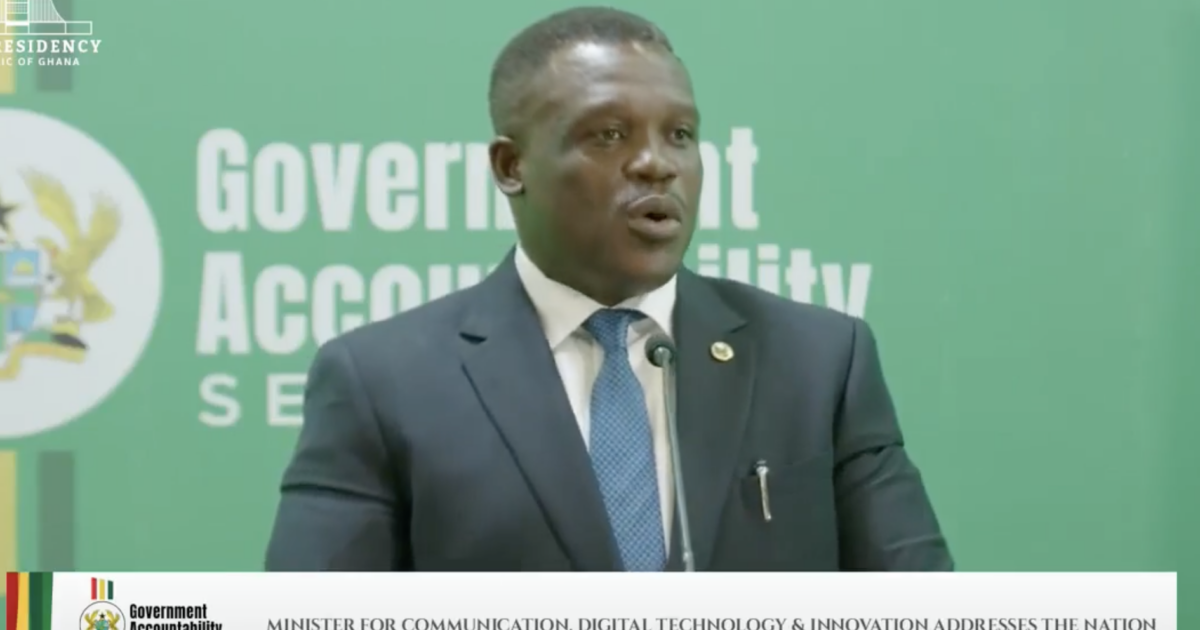
MTN Ghana has committed a substantial investment exceeding US$1.1 billion over the next three years to significantly enhance its network coverage and facilitate the widespread deployment of 5G services across the nation. This ambitious MTN Ghana $1.1bn 5G expansion initiative was publicly announced by Communications, Digital Technology and Innovations Minister Samuel Nartey George, who highlighted it as a direct result of recent governmental reforms designed to foster a more competitive telecommunications landscape and attract increased private sector capital into Ghana's crucial digital infrastructure.
The investment plan includes the construction of 800 new cell sites, marking MTN Ghana's most extensive annual network build in a decade. A significant portion of this commitment, approximately US$380 million, is earmarked for the current year alone. The expansion strategy places particular emphasis on improving connectivity in rural and peri-urban communities, areas that have historically faced more pronounced network coverage challenges.
Already, 180 of these new sites are operational and actively handling network traffic, demonstrating tangible progress in the MTN Ghana network build 2026 timeline. These strategic locations were identified through a collaborative constituency-level mapping exercise conducted with Members of Parliament, pinpointing communities most affected by severe network deficiencies.
Regulatory Reforms Pave the Way for Competition
The catalyst for MTN Ghana's substantial investment stems directly from pivotal regulatory changes enacted by the National Communications Authority (NCA). Minister George, speaking on Monday, September 7, at the Government Accountability Series held at the Jubilee House in Accra, specifically cited the removal of the wholesale 5G exclusivity framework as a key driver. This significant policy shift, approved by the NCA's Board on July 15, 2026, was implemented to dismantle barriers that had previously constrained competition within the high-speed mobile broadband sector.
The Ghana 5G regulatory reforms spearheaded by the National Communications Authority Ghana are part of a broader government strategy. This strategy aims to leverage regulatory adjustments to stimulate greater investment, expand the country's digital infrastructure, and ultimately improve access to high-speed mobile services for all citizens. By fostering a more open and competitive environment, the government seeks to accelerate the pace of technological advancement and service delivery across the telecommunications sector.
Broader Sector Growth and Investment Trends
The impact of these regulatory adjustments extends beyond MTN Ghana, signaling a wider positive trend in the Ghana telecommunications sector growth. Telecel Ghana, another major player, has also significantly ramped up its capital investment, recording a 60 percent increase between 2023 and 2026 compared to the preceding four-year period. This surge in Telecel Ghana investment plans underscores the renewed confidence and competitive drive within the market.
Telecel Ghana's ambitious plans for 2026 include targeting a total of 2,698 sites, with an impressive 1,890 of these already operational. These parallel developments from key industry players collectively reflect the government's overarching objective: to harness regulatory reforms as a powerful tool to stimulate private sector investment, robustly expand digital infrastructure, and ensure improved access to advanced mobile services throughout the country. The concerted efforts are poised to transform Ghana's digital landscape, bringing high-speed connectivity to more communities than ever before.
Practical Implications
Lawyers advising clients in Ghana's telecommunications sector should review the recent regulatory reforms, particularly the removal of the 5G exclusivity framework, to understand new competitive dynamics and potential investment opportunities or compliance obligations arising from increased network expansion.
Source
How does this affect you?
Get an AI analysis of this article grounded in your jurisdictions, practice areas, and any policy documents you've uploaded to Wansom.
Finish Reading the Full Story and the Expert Analysis.
Wansom is AI and can make mistakes.