
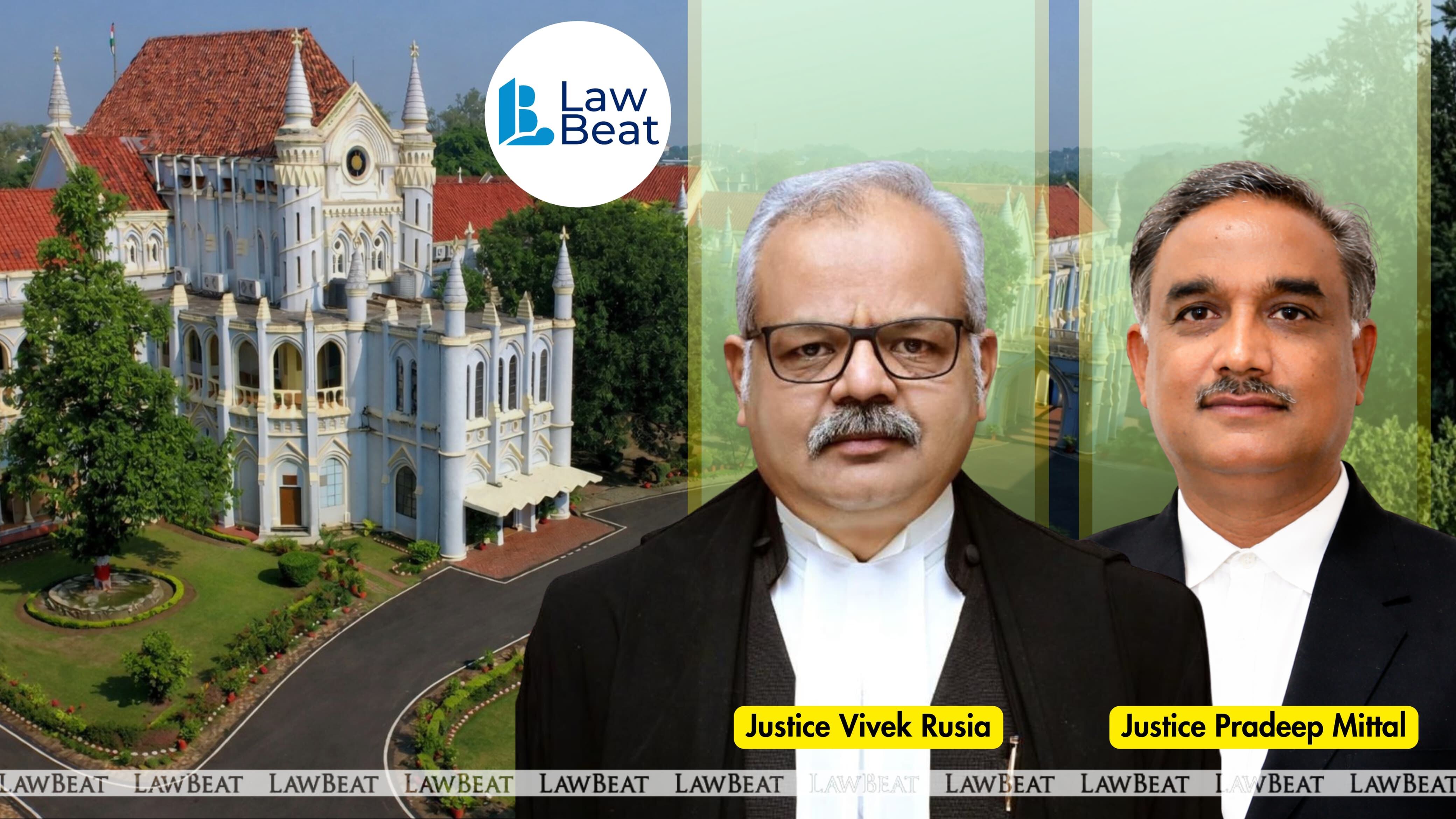
Madhya Pradesh High Court: No Different Retirement Ages for Class III and IV Employees
Summary
- The Madhya Pradesh High Court has dismissed a review petition filed by the State government against its earlier order on retirement age.
- The court reaffirmed its previous ruling that Class III and IV employees cannot have different retirement ages under the same policy.
- This decision may impact compliance with existing policies and procedures regarding retirement age in public sector employers in India.
What Happened
The court held that there was no justification for treating Class III and Class IV employees differently on retirement age, despite the State's reliance on a previous ruling in a different case.
The Madhya Pradesh High Court has dismissed a review petition filed by the State government against its earlier order regarding retirement age for Class III and IV employees. The court reaffirmed its previous ruling that these two categories of employees cannot have different retirement ages under the same policy. This decision was made in response to a review petition filed by the State, which sought to revisit an order allowing a daily-wage-turned-permanent employee to retire at 62 years instead of 60. The court held that there was no justification for treating Class III and IV employees differently on retirement age, despite the State's reliance on a previous ruling in a different case. In its decision, the court noted that it had already considered the effect of a circular dated May 3, 2017, and found that there was no difference in pay and other service conditions between the two categories of employees.
Legal Context
The Madhya Pradesh High Court's decision is significant because it reaffirms its earlier ruling on retirement age for Class III and IV employees. The court had previously held that these two categories of employees cannot have different retirement ages under the same policy, and this decision has now been upheld in a review petition filed by the State. This ruling has implications for public sector employers in India, who must ensure compliance with existing policies and procedures regarding retirement age. The court's decision is also notable because it distinguished a previous ruling in a different case, where a Class III supervisor was held entitled to retire at 60. In this instance, the court noted that the policy dated October 7, 2016, which granted permanent status to daily-wage employees, was not under consideration in that matter.
Why It Matters
The Madhya Pradesh High Court's decision has important implications for public sector employers in India. The court's reaffirmation of its earlier ruling on retirement age means that Class III and IV employees under the same policy cannot have different retirement ages. This decision may impact compliance with existing policies and procedures regarding retirement age, and lawyers advising public sector employers should take note of this development. Furthermore, the court's distinction between the two categories of employees highlights the need for clear and consistent policies regarding retirement age in the public sector.
Practical Implications
Lawyers advising public sector employers in India should note that the Madhya Pradesh High Court has reaffirmed its earlier ruling that Class III and Class IV employees under the same policy cannot have different retirement ages, potentially impacting their compliance with existing policies and procedures.
Source
How does this affect you?
Get an AI analysis of this article grounded in your jurisdictions, practice areas, and any policy documents you've uploaded to Wansom.
Wansom is AI and can make mistakes.