
MP High Court: Private De-addiction Center Adult Detention Unlawful
Summary
- The Madhya Pradesh High Court at Indore ruled that a private de-addiction center cannot legally detain an adult based solely on a spouse's consent form.
- The court ordered the immediate release of a man confined in a private facility, citing a medical board report that found no psychopathology warranting forced institutionalization.
- The ruling affirmed an adult's absolute autonomy over their person and medical treatment, emphasizing that admission to such centers requires voluntary consent or a competent legal/medical mandate.
- The confinement was deemed a violation of Article 21 of the Indian Constitution, which protects the right to life and personal liberty.
- The case involved a habeas corpus petition filed by a brother for his paralyzed sibling, whose prior police complaints about harassment by his wife and her family were noted.
What Happened
The court unequivocally stated that an adult citizen of sound mind holds absolute autonomy concerning their person and medical treatment, clarifying that a private rehabilitation center lacks any statutory authority to function as a detention facility based solely on a spouse's consent form.
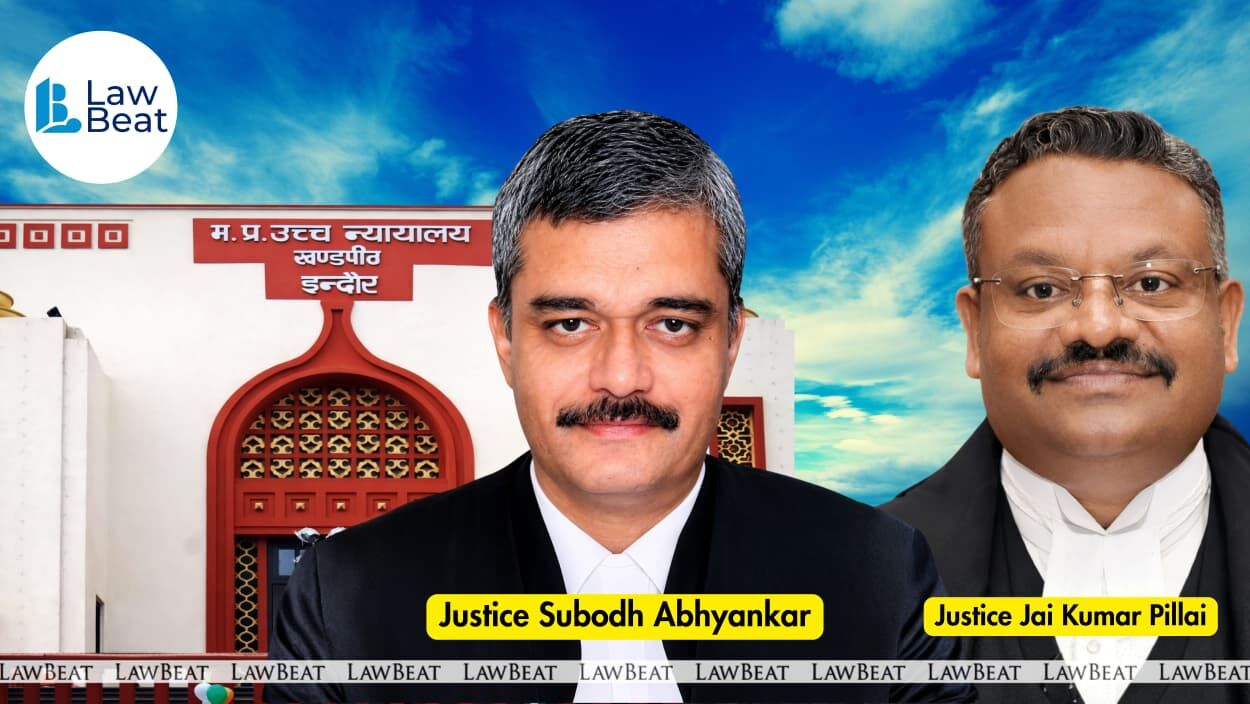
The Madhya Pradesh High Court, sitting at Indore, recently declared the unlawful confinement of an individual within a private de-addiction facility, mandating his immediate release. This significant ruling came in response to a habeas corpus petition initiated by Rajesh Patidar, who sought the freedom of his younger brother. The order, issued on October 7, 2026, was penned by Justice Jai Kumar Pillai, forming part of a decision by a Division Bench that also included Justice Subodh Abhyankar.
The circumstances leading to the petition involved the detained man, who, despite being legally married, was living separately from his wife in the Indore district due to ongoing severe matrimonial disputes. Prior to his confinement, he had filed multiple police complaints, specifically NCR No. 32/2025 and NCR No. 165/2025, alleging instances of assault and harassment perpetrated by his wife and her family. On September 7, 2026, his wife reportedly summoned him to her residence before subsequently taking him to the de-addiction center, where he was held against his will. The following day, September 8, 2026, the petitioner attempted to secure his brother's release from the facility but was denied. Subsequent appeals to the local police for intervention proved ineffective, prompting the legal action. It was also noted that the confined individual suffers from left-side paralysis, adding a layer of concern regarding his care.
The Court's Rationale
During the proceedings, the petitioner's advocate, Monesh Jindal, contended that his client's brother was neither a habitual drug addict nor in need of involuntary treatment. Jindal further alleged a conspiracy between the wife and the center to unlawfully seize the man's property, highlighting the severe risk posed by the facility's inadequate medical infrastructure to a paralyzed patient requiring consistent neurological care. Conversely, the respondents asserted that the man was a habitual drug addict who frequently harmed his wife while intoxicated, claiming her actions were solely to protect her life and marriage. Shubham Mandil represented the wife, while Government Advocate Amit Bhatia appeared for the State.
Crucially, the court's decision was heavily influenced by a Medical Board report, which had been commissioned by the court itself on September 28, 2026. This report, dated October 1, 2026, explicitly stated that "no gross psychopathology on Mental State Examination" was found in the confined individual. While acknowledging his left-side residual hemiparesis and recommending a neurologist's opinion for this condition, the court found that the medical assessment "completely dismantles the narrative heavily relied upon by Respondent No.5." The bench concluded that there was "absolutely nothing on record demonstrating that the Corpus suffers from any psychopathology or addiction warranting his forced institutionalization."
Legal Context and Significance
The Madhya Pradesh High Court's ruling underscores a fundamental principle of adult autonomy medical treatment India. The court unequivocally stated that an adult citizen of sound mind holds absolute autonomy concerning their person and medical treatment, clarifying that a private rehabilitation center lacks any statutory authority to function as a detention facility based solely on a spouse's consent form. This directly addresses the legality of spouse consent de-addiction center legality in the absence of other justifications. The court emphasized that the admission of an adult to a de-addiction center must either be a result of their own voluntary free will or be supported by a competent legal or medical mandate, neither of which was present in this particular case.
The bench dismissed arguments suggesting the man was a voluntary patient, deeming such claims "factually contradictory." The court pointed to the petitioner's unsuccessful attempt to secure his brother's release on September 8, 2026, as evidence that the center would have had no grounds to deny his exit if he were truly there voluntarily. Ultimately, the court determined that the confinement constituted a violation of Article 21 of the Indian Constitution, which guarantees the right to life and personal liberty, thereby reinforcing the critical importance of Article 21 right to liberty detention in the context of MP High Court private de-addiction center adult detention. This Madhya Pradesh High Court de-addiction ruling sets a clear precedent for informed consent private rehabilitation practices across India.
Practical Implications
Lawyers advising de-addiction centers or individuals seeking release from such facilities must note this ruling clarifies that private centers cannot detain adults solely on spousal consent, reinforcing the need for voluntary consent or a competent legal/medical mandate. Compliance officers at these centers should immediately review admission and detention protocols to prevent illegal confinement and ensure adherence to Article 21 and informed consent principles.
Source
How does this affect you?
Get an AI analysis of this article grounded in your jurisdictions, practice areas, and any policy documents you've uploaded to Wansom.
Finish Reading the Full Story and the Expert Analysis.
Get the latest legal & regulatory intelligence in India
Wansom is AI and can make mistakes.