
MP High Court: Permanent Alimony After Divorce Decree, Even Ex-Parte
Summary
- The Madhya Pradesh High Court has ruled that a wife can claim permanent alimony under Section 25 of the Hindu Marriage Act even after a divorce decree, including an ex-parte one.
- This right to permanent maintenance does not lapse simply because the marriage has been dissolved, and can be pursued in matrimonial court subsequently.
- The ruling arose from an appeal by Ushabai against Lalit Bisen, where the wife sought alimony despite not challenging an ex-parte divorce decree obtained by her husband.
- The court relied on Section 25(1) of the Hindu Marriage Act, which allows alimony claims "at the time of passing any decree or at any time subsequent thereto," and cited previous precedents.
- This decision ensures that the financial interests of a spouse, particularly those against whom a decree was passed, remain protected post-divorce.
What Happened
The passing of a divorce decree, even an ex-parte one where one party was not present, does not automatically extinguish a spouse's right to claim permanent maintenance.
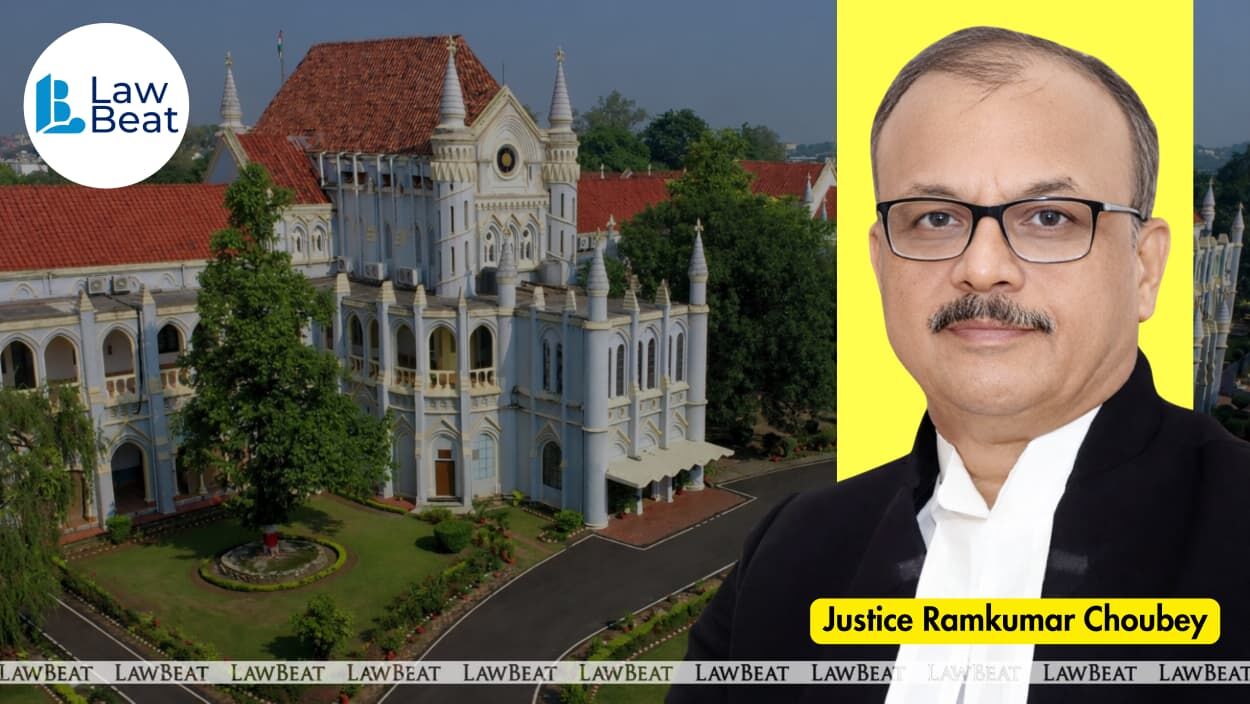
The Madhya Pradesh High Court recently clarified a crucial aspect of matrimonial law, affirming that a wife retains the right to seek permanent alimony under Section 25 of the Hindu Marriage Act, 1955, even after a divorce decree has been finalized, including those granted ex-parte. This significant pronouncement came from Justice Ramkumar Choubey while addressing a miscellaneous appeal filed by Ushabai against Lalit Bisen, originating from a matrimonial dispute in Balaghat district.
The case involved an ex-parte divorce decree issued on July 9, 2015, following proceedings initiated by the husband under the Hindu Marriage Act. The wife, Ushabai, subsequently attempted to have this decree set aside by filing an application under Order IX Rule 13 of the Code of Civil Procedure. However, the trial court dismissed her application on July 5, 2016, leading to the present appeal under Order 43 Rule 1(d) CPC before the High Court.
During the High Court proceedings, counsel Pradeep Kumar Naveria, representing Ushabai, informed the court that the husband had already remarried after obtaining the divorce. Given the advanced age of the parties and the prevailing circumstances, Ushabai was no longer interested in challenging the divorce itself. Instead, her primary contention was that the trial court had failed to consider her claim for alimony when passing the original decree, and her counsel urged the High Court to remand the matter for the sole purpose of adjudicating this outstanding issue. Conversely, Advocate Rahul Kumar Tripathi, appearing for Lalit Bisen, highlighted that his client had already transferred property to their daughter and was consistently paying Rs 5,000 monthly as maintenance under an existing order pursuant to Section 125 of the Code of Criminal Procedure. He argued that if the wife's only remaining interest was alimony, she could pursue this relief independently before the matrimonial court.
Legal Context of Permanent Maintenance
The High Court's decision hinges on a comprehensive interpretation of Section 25(1) of the Hindu Marriage Act, 1955, which empowers either spouse to seek permanent alimony and maintenance. This pivotal provision explicitly states that such relief can be granted "at the time of passing any decree or at any time subsequent thereto." The court underscored that this language prevents a narrow reading that would restrict alimony claims solely to the period of the original divorce proceedings.
To bolster its interpretation, the bench referenced its own prior ruling in *Surajmal Ramchandra Khati vs. Rukminibai*, which clarified that the phrase "on application made to it" should not be construed to necessitate a separate, formal application filed concurrently with the initial proceedings. Further support was drawn from a 1967 judgment by the Gujarat High Court in *Patel Dharamshi Premji vs. Bai Sakar Kanji*. This earlier ruling similarly established that an individual does not need to maintain the legal status of "wife" or "husband" at the precise moment of applying for alimony, thereby confirming that such a claim for India divorce permanent maintenance can indeed be raised even after a decree dissolving the marriage has been issued. The court emphasized that the fundamental purpose of Section 25 is to safeguard the financial interests of the spouse against whom a decree has been passed.
Why This Ruling Matters
This ruling from the MP High Court on permanent alimony after divorce decree holds significant implications for individuals navigating matrimonial disputes under the Hindu Marriage Act. It unequivocally establishes that the passing of a divorce decree, even an ex-parte one where one party was not present, does not automatically extinguish a spouse's right to claim permanent maintenance. This provides a critical safety net, ensuring that financial considerations can be addressed even if they were overlooked or could not be pursued during the initial divorce proceedings.
By allowing the wife to pursue her alimony claim despite her decision not to contest the divorce itself, the court has reinforced the protective intent behind Section 25 Hindu Marriage Act alimony provisions. The court explicitly noted that since Ushabai's counsel had withdrawn the challenge to the divorce decree, there was no longer any need to re-adjudicate the divorce proceedings. The only remaining, unresolved matter was the question of alimony, which the court affirmed could still be pursued. This clarity is vital for legal practitioners advising clients in matrimonial disputes, as it confirms the ongoing nature of alimony rights and potential liabilities, irrespective of the finality of the divorce itself.
Practical Implications
Lawyers advising clients in matrimonial disputes must note that a wife's right to claim permanent alimony under Section 25 of the Hindu Marriage Act is not extinguished by the passing of a divorce decree, even an ex-parte one. This ruling provides a critical precedent for pursuing or defending against alimony claims post-divorce, ensuring clients are aware of their ongoing rights and potential liabilities.
Source
How does this affect you?
Get an AI analysis of this article grounded in your jurisdictions, practice areas, and any policy documents you've uploaded to Wansom.
Finish Reading the Full Story and the Expert Analysis.
Wansom is AI and can make mistakes.