
MP High Court: Authorizes Minor Abortion at 26 Weeks
Summary
- The Madhya Pradesh High Court permitted a 14-year-old POCSO survivor to terminate her pregnancy, which was approximately 26 weeks and one day along.
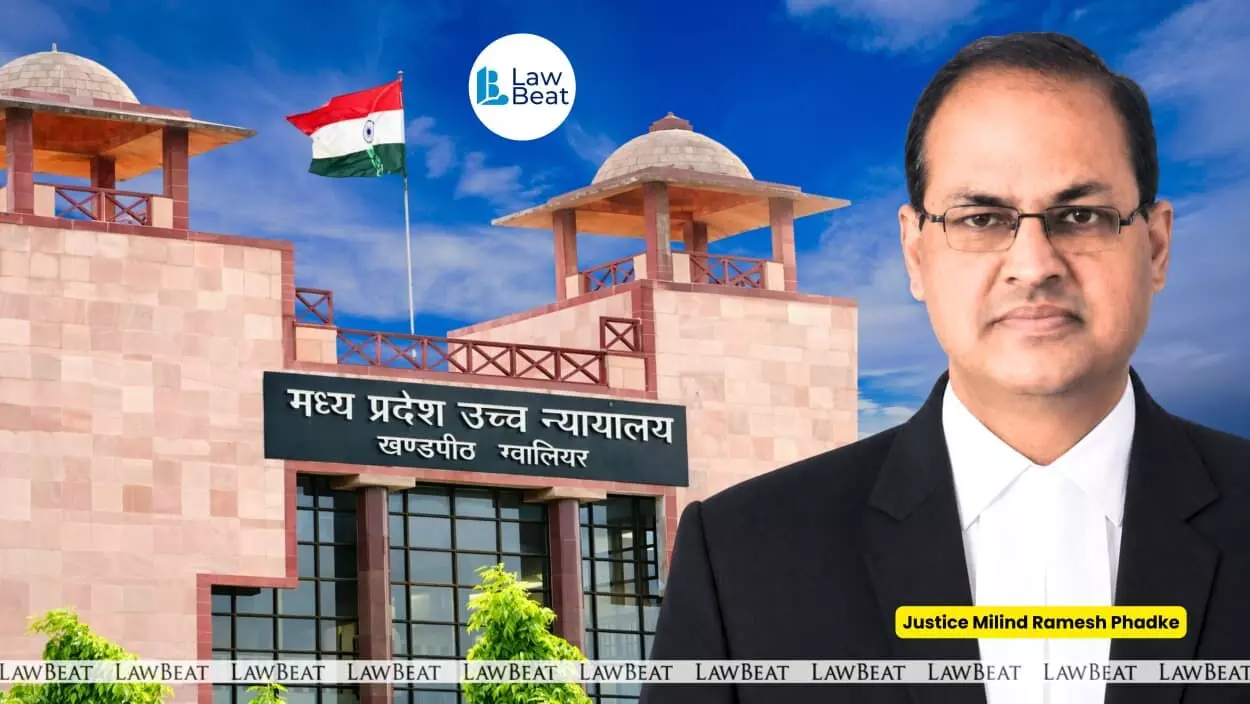
- Chief Justice Milind Ramesh Phadke issued the order on November 7, 2026, citing the minor's trauma and the circumstances of the pregnancy.
- The court relied on a second Medical Board report confirming the procedure's feasibility and its powers under Article 226, as established in In Reference (Suo Motu) vs State of Madhya Pradesh and Others.
- Extensive safeguards were mandated, including a multidisciplinary medical team, pre-procedure fitness checks, equipped hospital facilities, and legal consent.
- The court also directed all trial courts to include a specific Medical Board report with every request for medical termination.
Judicial Intervention for a Minor Survivor
Acknowledging that the pregnancy was beyond 26 weeks, the court carefully balanced this fact against the minor's profound trauma and her future well-being.
The Madhya Pradesh High Court, sitting in Gwalior, recently authorized the medical termination of pregnancy for a 14-year-old survivor of sexual assault. This significant ruling, delivered by Chief Justice Milind Ramesh Phadke on November 7, 2026, concerned a pregnancy that had progressed to approximately 26 weeks and one day. The court's decision underscored the profound distress experienced by the minor, acknowledging her age, the circumstances leading to the pregnancy, and the severe mental and emotional trauma she was enduring.
The case reached the High Court as a reference from a Special Judge (POCSO) in Shivpuri district, given that the pregnancy had exceeded the statutory 24-week limit for medical termination. The young girl was identified as a victim of offenses registered under both the Protection of Children from Sexual Offences Act, 2012, and the Bharatiya Nyaya Sanhita, 2023. The court explicitly stated its inability to overlook the minor's tender age, the traumatic origins of her pregnancy, and the ongoing psychological anguish she faced.
Navigating Legal and Medical Complexities
The legal framework surrounding medical termination of pregnancy in India, specifically the Medical Termination of Pregnancy Act, 1971, generally restricts abortions beyond 24 weeks. However, the High Court invoked its inherent powers under Article 226 of the Constitution, a course of action previously affirmed by a Division Bench in the case of In Reference (Suo Motu) vs State of Madhya Pradesh and Others, for situations where pregnancies extend beyond this stipulated period. This precedent allowed the court to consider the minor's plea despite the advanced gestational age.
A critical component of the court's deliberation involved obtaining a precise medical assessment. On November 6, the court requested a detailed report from the Medical Board at Kamlaraja Hospital and G.R. Medical College, Gwalior, specifically addressing the feasibility and safety of the termination. The initial report from the Board indicated that termination could proceed with adequate facilities, provided all investigative results were normal. However, the court deemed this report insufficient, noting its lack of a clear and categorical medical opinion on the permissibility of the procedure. Consequently, the government advocate was instructed to seek clarification.
A revised report was submitted later the same day. This subsequent assessment confirmed a normal ECHO report and affirmed that the procedure could be safely performed, contingent upon ensuring the availability of blood. The High Court found this second report to contain a specific medical opinion regarding the feasibility of terminating the pregnancy, thereby lending crucial support to the minor's request. The court also considered Sections 3(1), 3(2), and 5(1) of the Medical Termination of Pregnancy Act, 1971, which include a statutory presumption of mental anguish when pregnancy results from rape, further bolstering its decision.
Comprehensive Safeguards and Future Implications
Acknowledging that the pregnancy was beyond 26 weeks, the court carefully balanced this fact against the minor's profound trauma and her future well-being. Concluding that the request for termination deserved approval, Chief Justice Milind Ramesh Phadke issued a comprehensive set of safeguards to ensure the procedure's safety and ethical execution. These directives mandated the Dean or Medical Superintendent to assemble a specialized team of senior doctors, including experts from Obstetrics and Gynaecology, Anaesthesia, Medicine, and Paediatrics.
The court stipulated that the procedure was to be carried out on November 7 at 4:00 PM, provided the minor was deemed medically fit after a thorough re-examination, particularly concerning her haemoglobin levels, and that measures were in place to mitigate the risk of excessive bleeding. The hospital selected for the procedure had to be fully equipped for emergency treatment, blood transfusions, anaesthesia, intensive care, and neonatal care. Furthermore, the minor and her parents or natural guardian were to receive comprehensive counselling regarding the associated risks, and their consent was to be obtained in strict accordance with legal requirements. Should a live birth occur, the court mandated that full neonatal care be provided.
Crucially, the court granted immunity from liability to the doctors who provided their medical opinions for the procedure. It also directed the medical team to meticulously preserve all records and samples, including DNA samples if necessary, for the ongoing criminal investigation. The court emphatically stressed the paramount importance of maintaining the minor's identity, confidentiality, and dignity throughout the process, requesting a confidential compliance report upon completion. Before concluding the petition, the court issued a broader directive, instructing all trial courts to ensure that every such request for medical termination is accompanied by a specific Medical Board report.
Practical Implications
Lawyers advising on reproductive rights, particularly for minor victims of sexual offenses, should note this precedent from the MP High Court. It demonstrates judicial willingness to permit medical termination of pregnancy beyond the 24-week statutory limit under the MTP Act, 1971, in cases involving severe trauma and specific medical board recommendations. Compliance officers in healthcare settings must be aware of the detailed safeguards and reporting requirements mandated by the court for such procedures, including team composition, emergency preparedness, and record-keeping.
Source
Source: Original reporting via Live Law
How does this affect you?
Get an AI analysis of this article grounded in your jurisdictions, practice areas, and any policy documents you've uploaded to Wansom.
Finish Reading the Full Story and the Expert Analysis.
Get the latest legal & regulatory intelligence in India
Wansom is AI and can make mistakes.