
MP High Court: Indore Metro Tree Felling Safeguards Imposed
Summary
- The Madhya Pradesh High Court at Indore refused to halt tree felling for an underground metro station at Rani Sarai.
- The court was bound by a previous ruling from May 3, 2024, which had already upheld the metro alignment.
- Petitioners had argued that over 150 trees, home to approximately 1,000 birds including protected parakeets, would be destroyed.
- The court mandated strict safeguards, including phased tree cutting under the supervision of at least two ornithologists.
- A wildlife rescue team must be present during felling, and 2,500 new trees are to be planted to compensate for the 182 trees removed.
Court Upholds Metro Alignment, Declines Halt to Tree Felling
While the court upheld the project's progression based on legal precedent, it was not indifferent to the environmental concerns raised.
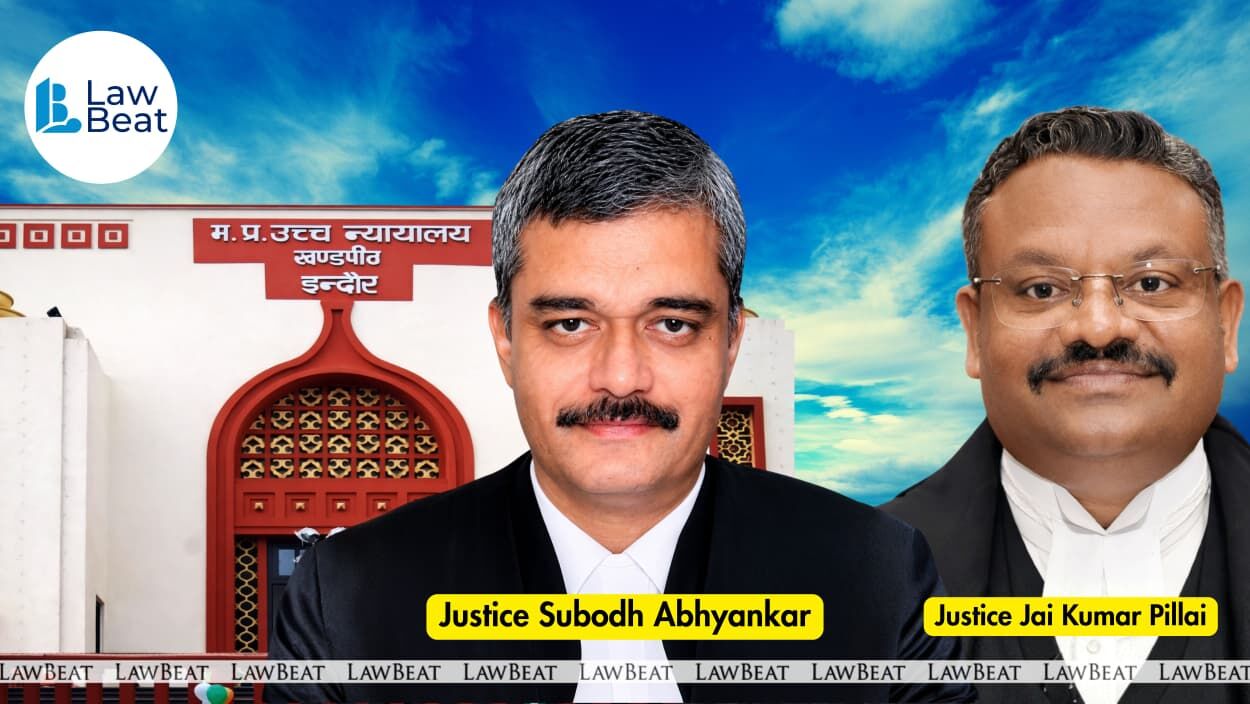
The Madhya Pradesh High Court, sitting at Indore, has rejected a plea to stop the felling of trees required for an underground metro station at Rani Sarai, located within the S.P. Office premises. The court's decision, issued on October 22 by a Division Bench comprising Justice Subodh Abhyankar and Justice Jai Kumar Pillai, cited a previous ruling that had already affirmed the metro project's alignment. While allowing the Indore Metro Rani Sarai tree cutting to proceed, the bench simultaneously imposed a series of strict environmental safeguards aimed at protecting the significant bird population inhabiting these trees.
This ruling came in response to a public interest litigation (PIL) filed by Priyanshu Jain under Article 226 of the Constitution. The petitioner had sought to prevent the removal of over 150 trees, which he contended served as the primary habitat for approximately 1,000 birds, including parakeets protected under the Wildlife (Protection) Act, 1972 India. Despite acknowledging the potential distress to the avian residents, the court found itself constrained by the principle of judicial precedent, thereby refusing to halt the development.
Legal Precedent and Petitioner's Arguments
Central to the High Court's decision was its adherence to a prior judgment in the case of Raj Lakshmi Foundation vs State of Madhya Pradesh, which had been decided by a coordinate bench on May 3, 2024. This earlier ruling had already upheld the metro alignment, rendering the current petition challenging the tree felling for the same alignment non-maintainable in the court's view. The bench explicitly stated that "what cannot be done directly can also not be done indirectly," emphasizing that the previous order "cannot be deviated in any manner, for whatsoever be the reasons." The court also expressed its disapproval of the respondents for not disclosing this crucial prior decision earlier, noting that it would have prevented the petitioners from pursuing a case they had, in effect, "already lost... even before it was filed."
The petitioner, supported by intervenor Nature Volunteers’ Society represented by its president Padma Shri Bhalchandra Mondhe, had argued that the proposed metro station would necessitate the destruction of a vital bird habitat. They highlighted the presence of parakeets, a species afforded protection under the 1972 Act, and suggested alternative locations for the station, such as land near Regal Talkies, Gandhi Hall, and Pritamlal Dua Sabhagrah. However, the M.P. Metro Rail Corporation Limited, through Advocate Amol Shrivastava, countered that the alignment was already sanctioned, all necessary Forest Department permissions were secured, and no other suitable free land was available. They also noted that the station's length had already been reduced from 180 meters to 150 meters and committed to planting 2,500 new trees to compensate for the 182 trees slated for removal.
Stringent Environmental Safeguards Mandated
While the court upheld the project's progression based on legal precedent, it was not indifferent to the environmental concerns raised. A site visit on September 29 revealed thousands of birds, predominantly parrots, roosting in the trees, though only a few were found to be nesting. Recognizing that the birds would "certainly lose their place to rest" if the trees were cut, the court issued specific, stringent directives to minimize harm. These MP High Court Indore Metro tree felling safeguards are designed to ensure the least possible disruption to the avian population.
The court mandated that tree felling must occur in a phased manner, rather than all at once or randomly, to prevent "extreme distress and shock to the birds." This process must be conducted under the direct supervision of at least two ornithologists, who are tasked with carefully accounting for any nests, eggs, or chicks during pruning activities. Furthermore, a dedicated wildlife rescue team, equipped with nets and medical kits, must be present on-site throughout the felling operations. To mitigate long-term habitat loss, the court also directed that the same species of trees be planted nearby, wherever space permits, to provide future roosting sites once the project is completed. The respondents are also bound by their undertaking to plant a total of 2,500 trees.
Practical Implications
This ruling reinforces the principle of stare decisis in infrastructure project challenges, making it difficult to re-litigate settled alignment issues. However, it also demonstrates that courts are willing to impose stringent, expert-supervised environmental mitigation measures (like phased tree cutting under ornithologist supervision) even when development projects are allowed to proceed, creating a precedent for similar balancing acts in future cases involving environmental impact. Lawyers should advise clients on the necessity of comprehensive environmental impact assessments and detailed mitigation plans, including expert involvement, to pre-empt such court orders.
Source
How does this affect you?
Get an AI analysis of this article grounded in your jurisdictions, practice areas, and any policy documents you've uploaded to Wansom.
Finish Reading the Full Story and the Expert Analysis.
Get the latest legal & regulatory intelligence in India
Wansom is AI and can make mistakes.