
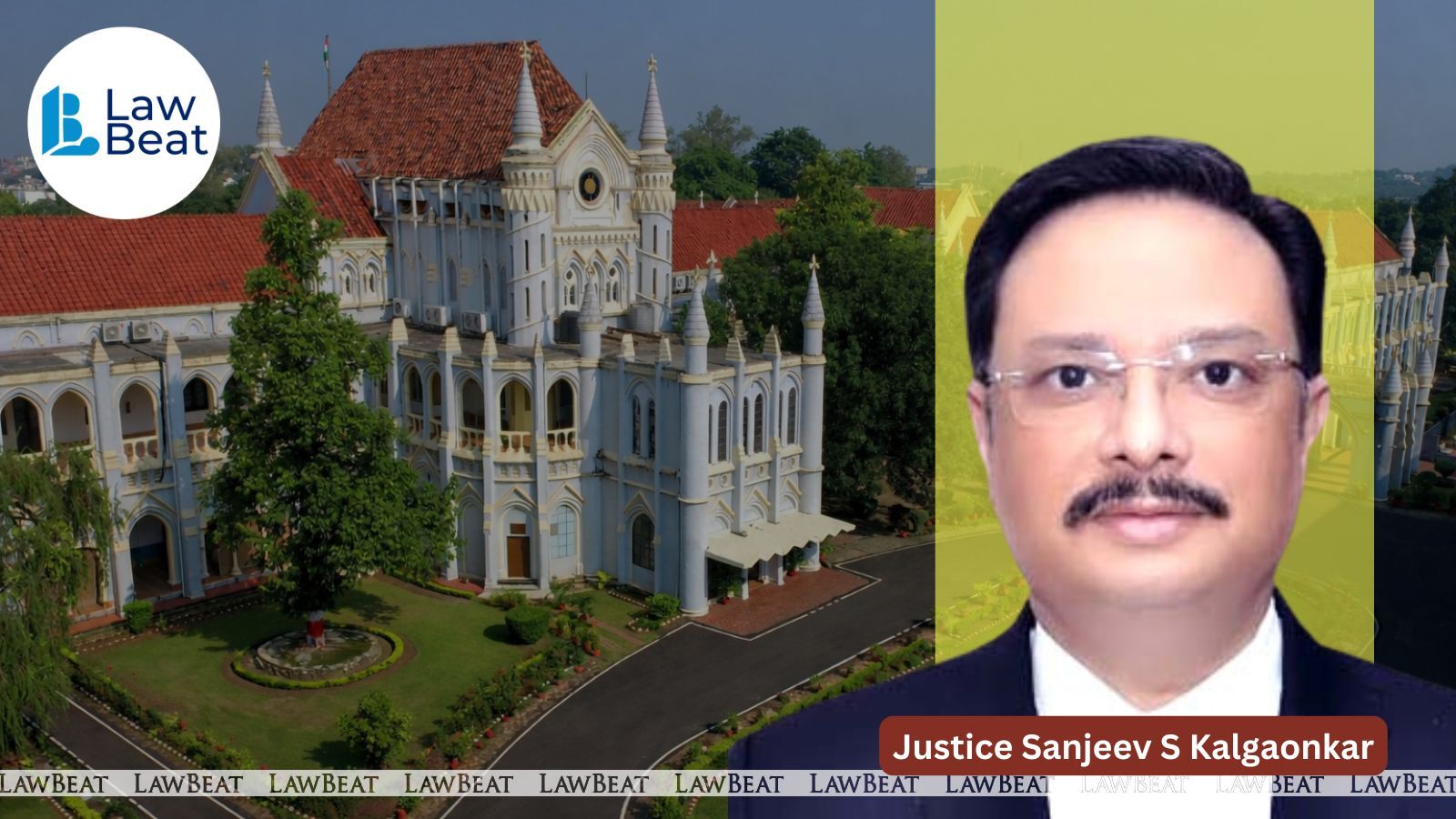
MP High Court: Gurucharan Kaur Ex Gratia Compensation Recovery Overturned
Summary
- The Madhya Pradesh High Court quashed a recovery certificate for Rs 7,23,800 issued against Smt. Gurucharan Kaur, a 1984 riot victim's widow.
- The court ruled that ex gratia relief does not bar statutory compensation and found no concealment of prior payments by the petitioner.
- Justice Sanjeev S Kalgaonkar ordered the State to pay Smt. Gurucharan Kaur Rs 50,000 for mental harassment caused by "unwarranted coercive administrative action."
- The High Court criticized the administrative authorities for their "cursory manner" and "glaring lack of due diligence, empathy and proper application of mind" in handling the sensitive case.
Court Quashes Recovery Order Against 1984 Riot Victim
The court underscored that ordering recovery from a 1984 riot victim and widow demonstrated a "glaring lack of due diligence, empathy and proper application of mind."
The Madhya Pradesh High Court, sitting at Jabalpur, has decisively overturned a recovery certificate that sought to reclaim Rs 7,23,800 from Smt. Gurucharan Kaur, a widow whose property was lost during the 1984 riots. Justice Sanjeev S Kalgaonkar, presiding over the case, ruled that the ex gratia relief previously received by Kaur did not preclude her entitlement to statutory compensation. The court further mandated the State to pay Rs 50,000 to Smt. Gurucharan Kaur as compensation for the mental harassment she endured due to what was termed "unwarranted coercive administrative action."
Smt. Gurucharan Kaur's husband had suffered significant property loss in the 1984 riots. Following a 2006 Division Bench order (M.P. No.1045/1992, Sardar Kuldeep Singh & Others vs. Union of India & Others) that permitted riot victims to seek loss assessment from the Collector, along with a 40% lump-sum interest on unpaid amounts, she submitted an application to the Collector, Sehore, on May 9, 2013. In this application, she explicitly disclosed having received Rs 5,000 as interim relief in 1984 and an additional Rs 45,000 as ex gratia payment under a Government of India communication issued after the Nanawati Commission report. The total of Rs 50,000 was duly deducted from her overall claim. The Collector subsequently approved a sum of Rs 7,23,800, which the State allotted in December 2013 and subsequently paid out.
Administrative Overreach and Legal Clarification
Despite the transparent disclosures, a notice was issued on September 1, 2014, by the Collector, prompted by a complaint from Manjeet Singh Saluja, alleging that Smt. Gurucharan Kaur had concealed prior payments. Although she provided a detailed reply, the Additional Collector, Sehore, proceeded to issue a recovery certificate on September 18, 2014. This action led to the Tehsildar initiating recovery proceedings, and the Collector even proposed departmental action against the officials who had initially processed the payment to Kaur.
Advocate Sitaram Garg, representing Smt. Gurucharan Kaur, argued that there was no concealment and that the recovery order was unlawful. Conversely, Government Advocate Ritwik Parashar, representing the State, contended that Kaur had already received compensation through the Special Task Force and therefore should not have filed a new claim. The High Court, however, rejected the State's position, emphasizing that ex gratia payments are acts of grace, distinct from legal obligations for compensation. The court noted that the Government of India's January 2006 communication did not stipulate that the ex gratia payment would constitute a full and final settlement, nor did the 2006 Division Bench order bar further compensation claims for those who had received ex gratia relief. The court clarified that accepting ex gratia does not, by itself, prevent a later claim for full compensation, unless an explicit waiver has been signed by the victim.
Judicial Scrutiny and Empathy Deficit
The High Court found the allegation of concealment to be "factually incorrect." It highlighted that paragraphs 2 and 3 of Smt. Gurucharan Kaur's original claim application clearly disclosed both the interim relief and the ex gratia amount. Furthermore, her reply to the subsequent notice reiterated these facts, yet the Additional Collector issued the recovery certificate "without verifying these facts." The court was sharply critical of the administrative conduct, stating that the Collector, Sehore, handled such a sensitive matter concerning a riot victim in a "cursory manner."
The court underscored that ordering recovery from a 1984 riot victim and widow demonstrated a "glaring lack of due diligence, empathy and proper application of mind." It concluded that the authorities had erroneously treated ex gratia relief as a barrier to statutory compensation and had initiated coercive recovery through the Tehsildar without properly examining the petitioner's disclosures. The ruling serves as a significant affirmation of victims' rights to full compensation, irrespective of prior compassionate grants.
Source
Source: Original reporting via Live Law
How does this affect you?
Get an AI analysis of this article grounded in your jurisdictions, practice areas, and any policy documents you've uploaded to Wansom.
Finish Reading the Full Story and the Expert Analysis.
Get the latest legal & regulatory intelligence in India
Wansom is AI and can make mistakes.