
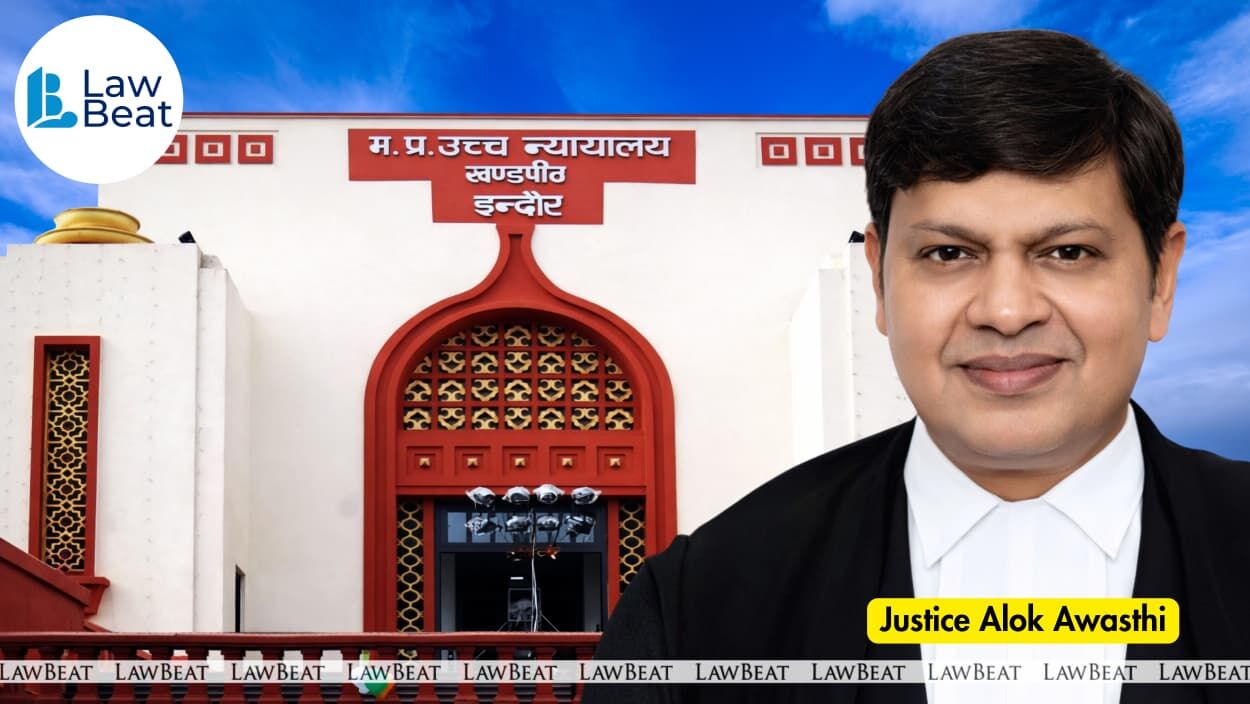
MP High Court: Bail Is Rule for Juveniles, Offence Gravity Alone Not Ground for Refusal
The Madhya Pradesh High Court at Indore, in a ruling on October 27, [2026], unequivocally stated that bail is the rule for juveniles and cannot be denied solely based on the gravity of the offence or generalized neighborhood concerns, unless the specific exceptions outlined in Section 12 of the Juvenile Justice (Care and Protection of Children) Act, 2015 (JJ Act) are explicitly met. The court allowed a criminal revision, thereby setting aside the orders of the Juvenile Justice Board, Indore, and the Fifth Additional Sessions Judge and Special Judge (POCSO Act), Indore, and directed the release of a Class 12 student who had been held in an Observation Home since May 1, 2026, despite facing serious charges under the Bharatiya Nyaya Sanhita, 2023, and the Scheduled Castes and Scheduled Tribes (Prevention of Atrocities) Act, 1989.
This ruling carries immense legal significance for practitioners and the juvenile justice system, as it strongly reaffirms the reformative and rehabilitative objectives of the JJ Act, emphasizing that detention of a child in conflict with law should always be a measure of last resort. By clarifying that the severity of the alleged offence alone is insufficient to deny bail, the High Court provides crucial guidance to lower courts and Juvenile Justice Boards, ensuring a more consistent and rights-protective application of Section 12. This decision reinforces the principle that the welfare and best interests of the child must remain paramount, preventing arbitrary or generalized denials of liberty based on societal apprehensions rather than specific statutory grounds.
The legal context for this judgment is primarily Section 12 of the Juvenile Justice (Care and Protection of Children) Act, 2015, which mandates the release of a child on bail unless there are reasonable grounds to believe that such release would bring the child into association with known criminals, expose them to moral, physical, or psychological danger, or defeat the ends of justice. The case also involved charges under the recently enacted Bharatiya Nyaya Sanhita, 2023 (which replaced the Indian Penal Code, 1860), and the Scheduled Castes and Scheduled Tribes (Prevention of Atrocities) Act, 1989, highlighting the serious nature of the allegations. The High Court's intervention demonstrates its supervisory role over subordinate courts and tribunals, ensuring adherence to statutory provisions and constitutional principles, particularly the right to liberty.
The key parties involved in this matter include the Madhya Pradesh High Court at Indore, specifically Justice Alok Awasthi, the Juvenile Justice Board, Indore, the Fifth Additional Sessions Judge and Special Judge (POCSO Act), Indore, the Class 12 student (child in conflict with law), and his legal representative, Advocate Dharmendra Gurjar. The case originated from Crime No. 386/2026 registered at Heeranagar Police Station. For practitioners specializing in juvenile justice or criminal law, this judgment underscores the critical importance of meticulously preparing and arguing bail applications for children in conflict with law. Attorneys must focus on demonstrating that none of the specific exceptions under Section 12 of the JJ Act are met, rather than allowing the gravity of the charges or generalized concerns to sway the court. This ruling empowers practitioners to vigorously advocate for the liberty of juveniles, ensuring that the reformative spirit of the JJ Act is upheld in practice.
How does this affect you?
Get an AI analysis of this article grounded in your jurisdictions, practice areas, and any policy documents you've uploaded to Wansom.
Finish Reading the Full Story and the Expert Analysis.
Wansom is AI and can make mistakes.