
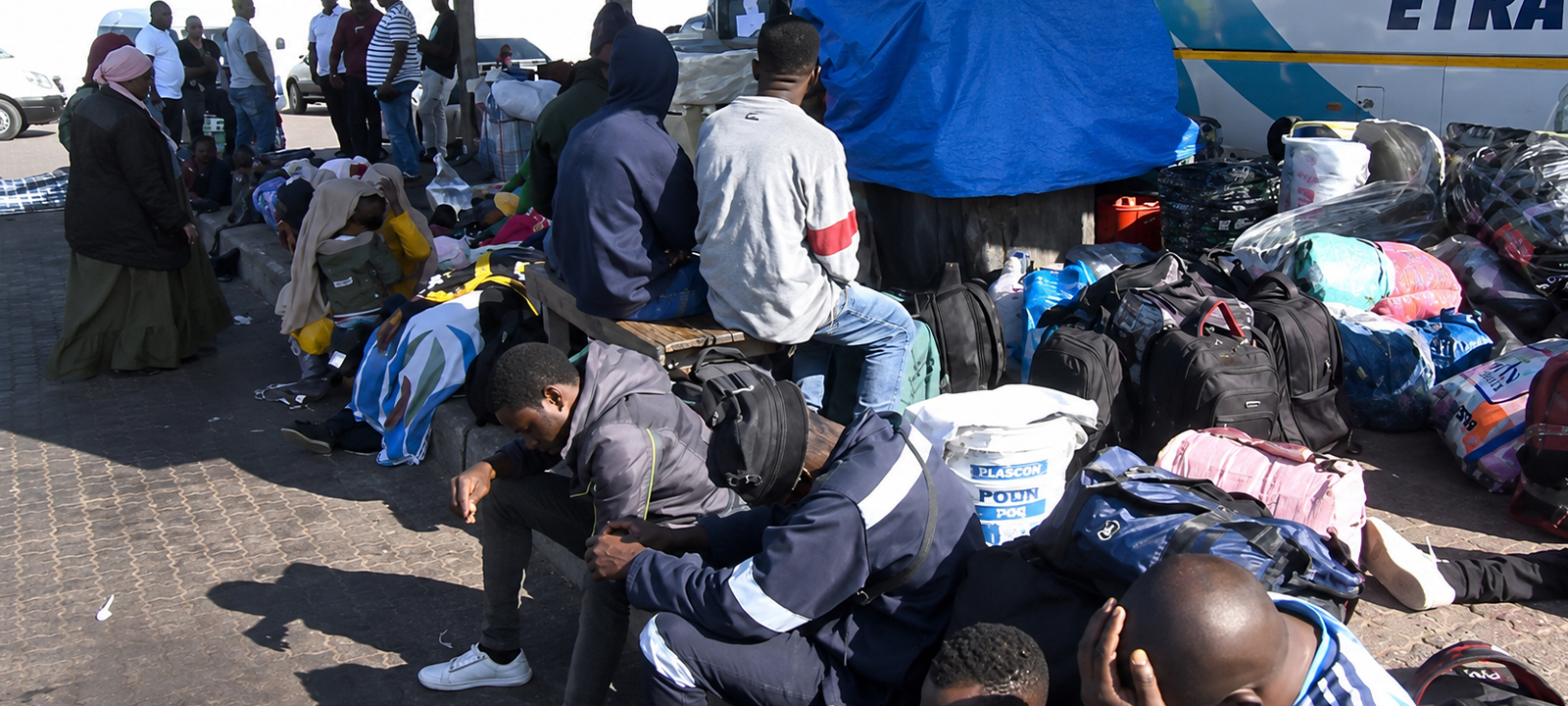
Moçambique: Moçambicanos Regressam de África do Sul por Xenofobia, Mossurize Acolhe
Summary
- More than 1,000 Mozambican citizens have returned to Mozambique following a recent wave of xenophobia in South Africa.
- The Director-General of the National Migration Service reported these figures, noting the exact number is not known but is fewer than 2,000.
- The returning individuals crossed the border into Mozambique, with Mossurize serving as a reception point.
- The returns highlight the ongoing impact of xenophobic incidents on regional populations and migration patterns.
Mozambicans Return Amidst Xenophobic Wave
Over one thousand Mozambican citizens have recently returned to their home country, a direct consequence of the latest surge of xenophobic violence experienced in South Africa.
Over one thousand Mozambican citizens have recently returned to their home country, a direct consequence of the latest surge of xenophobic violence experienced in South Africa. This significant movement of people underscores the ongoing challenges faced by foreign nationals in the neighboring nation, prompting a humanitarian response within Mozambique.
The figures, provided by the Director-General of the National Migration Service, indicate a substantial influx of individuals seeking refuge and safety. While the exact count remains elusive for the migration authority, official estimates confirm that the total number of Mozambican citizens involved in this return movement is less than two thousand. These individuals have successfully crossed the border, making their way back into Mozambique.
The district of Mossurize has emerged as a primary reception point, accommodating these Mozambicans who were compelled to leave South Africa due to the escalating xenophobia. This organized reception highlights the immediate need for support and integration services for those displaced by the unrest.
Official Oversight and Data Challenges
The National Migration Service plays a crucial role in monitoring and managing cross-border movements, particularly during periods of crisis. The Director-General's public disclosure of the returnee figures, despite their provisional nature, reflects the authority's commitment to tracking the impact of regional events on its citizenry. This official acknowledgment provides a foundational understanding of the scale of the displacement.
The challenge of obtaining precise figures in such dynamic and often chaotic circumstances is inherent to large-scale population movements. The migration authority's candor about not possessing an exact number, while still providing a clear range (more than 1,000 but fewer than 2,000), demonstrates the complexities involved in real-time data collection at border points. Nevertheless, these reported statistics are vital for informing national response strategies and resource allocation.
Such reporting is integral to the regulatory framework governing migration, enabling the government to assess the humanitarian needs of its returning citizens and to coordinate efforts for their reintegration. The ongoing monitoring by the National Migration Service is essential for understanding the broader implications of xenophobic incidents beyond national borders.
Regional Implications of Recurring Xenophobia
The forced return of Mozambican nationals due to xenophobia in South Africa highlights a persistent and deeply troubling issue within the Southern African region. These incidents not only cause immediate distress and displacement for thousands of individuals but also strain diplomatic relations and regional stability. The humanitarian crisis created by such expulsions necessitates a coordinated response from both affected nations and international bodies.
For the returning Mozambicans, the experience of being expelled from a neighboring country due to hostility represents a significant personal and economic upheaval. Their arrival in Mossurize underscores the immediate need for shelter, food, and other essential services, as well as longer-term support for reintegration into their communities. The fact that an official body is tracking these returns emphasizes the gravity of the situation and the state's responsibility towards its citizens.
This latest wave of xenophobia and its direct consequence of Mozambican citizens returning home serves as a stark reminder of the social and economic pressures that can ignite such conflicts. The official reporting of these numbers by the National Migration Service is crucial for drawing attention to the human cost of intolerance and for advocating for more sustainable solutions to regional migration and integration challenges.
Source
Source: Original reporting via O País
How does this affect you?
Get an AI analysis of this article grounded in your jurisdictions, practice areas, and any policy documents you've uploaded to Wansom.
Finish Reading the Full Story and the Expert Analysis.
Wansom is AI and can make mistakes.