
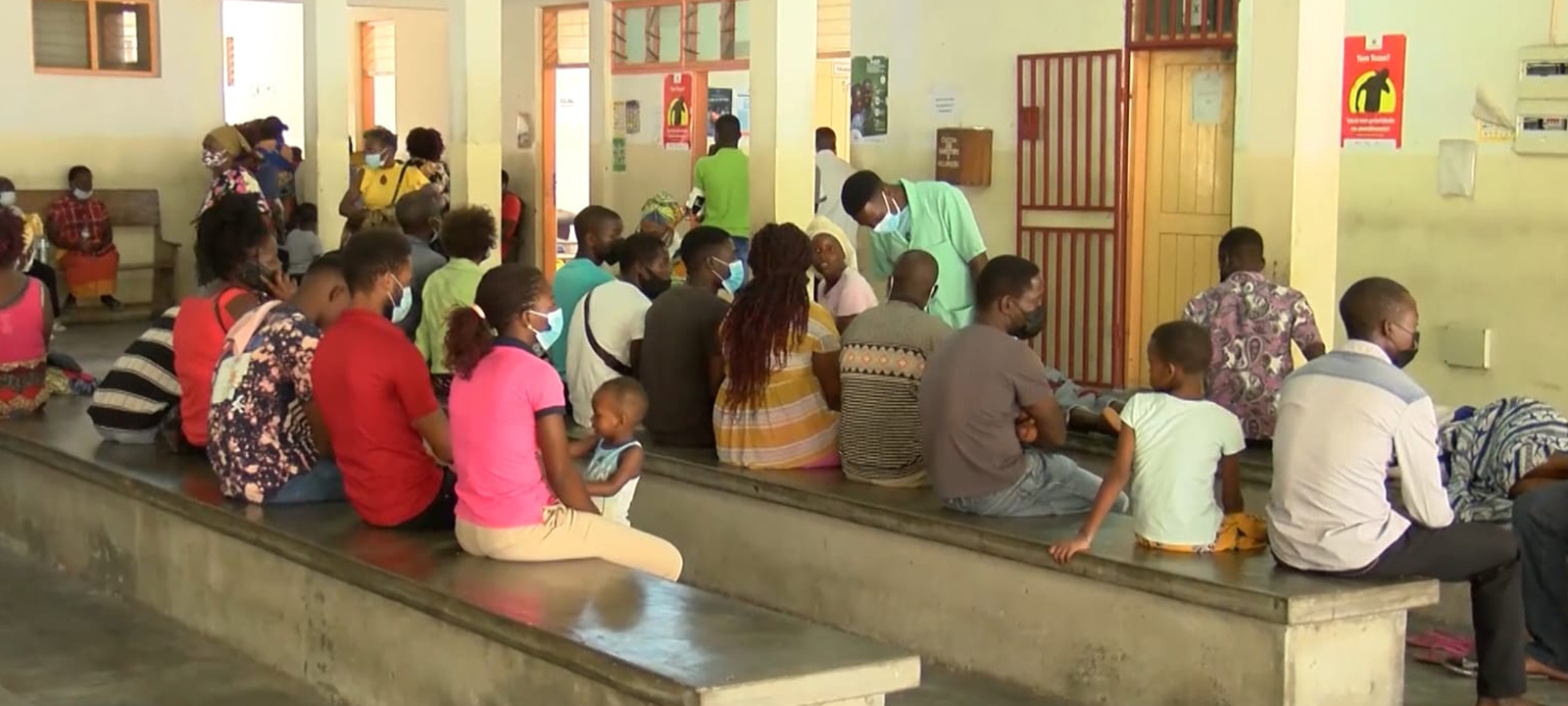
Mozambique Minister Health: Zero Tolerance on Medicine Theft
Summary
- Mozambique's Ministry of Health has launched a "zero tolerance" policy against poor service, illicit charges, and medicine theft in health units.
- Minister of Health Ussene Isse announced the decree at the 51st Coordinating Council in Bahia, expressing visible concern over complaints.
- The policy targets systemic issues within the Mozambique health sector, aiming to improve patient care and ethical conduct.
- This initiative signals increased regulatory scrutiny and potential enforcement actions against non-compliant practices.
- Healthcare institutions are now expected to strengthen internal controls and anti-corruption measures to align with the new directive.
Mozambique Health Ministry Declares 'Zero Tolerance'
The directive specifically addresses instances of substandard patient care, the imposition of unauthorized fees, and the pervasive problem of medicine theft within health units across the country.
The Mozambican Ministry of Health has officially adopted a stringent new policy, signaling a decisive shift towards combating systemic issues within the nation's healthcare infrastructure. This robust approach, characterized by a "tough stance" and a "zero tolerance" decree, targets a range of detrimental practices that have plagued public health services. The directive specifically addresses instances of substandard patient care, the imposition of unauthorized fees, and the pervasive problem of medicine theft within health units across the country.
Addressing Systemic Challenges in Healthcare
Minister Ussene Isse's pronouncement reflects a deep concern over persistent complaints regarding the operational integrity of Mozambique's health sector. The "zero tolerance" policy is a direct response to these grievances, aiming to eradicate practices that undermine public trust and compromise patient well-being. The issues highlighted—poor service delivery, the levying of illicit charges, and the unauthorized diversion of medical supplies—represent critical challenges that the Ministério da Saúde Moçambique enforcement efforts will now rigorously confront.
The decree signifies a comprehensive strategy to improve healthcare compliance Mozambique, moving beyond mere admonishments to implement concrete measures against offenders. This includes a focused effort to curb medicine theft health units Mozambique, a problem that deprives patients of essential treatments and wastes valuable public resources. The Minister's visible concern during the announcement underscored the gravity with which these issues are being addressed at the highest levels of government.
Implications for Healthcare Operations and Compliance
The introduction of the Ussene Isse zero tolerance decree is poised to reshape operational standards across all Mozambican health facilities. This policy mandates a significant uplift in service quality and ethical conduct, requiring institutions to re-evaluate and strengthen their internal controls. The Ministry's firm stance indicates that any deviation from established protocols, particularly concerning patient care and financial transparency, will face severe repercussions.
Healthcare providers and administrators must now navigate an environment of increased scrutiny, where the prevention of Mozambique health sector illicit charges and the safeguarding of medical supplies are paramount. This initiative is not merely a punitive measure but also an opportunity to foster a culture of accountability and excellence, ensuring that resources are utilized effectively and patients receive the care they are entitled to without undue burden or compromise.
Why This Policy Matters
This decisive action by the Mozambique Minister Health zero tolerance medicine policy carries profound implications for the nation's healthcare landscape. It signals a clear intent to protect vulnerable populations from exploitation and to restore faith in public health services. For compliance officers within Mozambican healthcare institutions, this decree necessitates an immediate and thorough review of existing internal controls and anti-corruption policies.
The heightened regulatory scrutiny and the potential for robust enforcement actions against illicit practices and theft within the sector underscore the urgency of proactive compliance. Institutions must ensure their frameworks are robust enough to prevent poor service, illicit charges, and medicine theft, aligning with the Ministry's commitment to transparency and ethical governance. This policy is a critical step towards building a more reliable and trustworthy healthcare system for all Mozambicans.
Practical Implications
Compliance officers in Mozambican healthcare institutions should review internal controls and anti-corruption policies, as this decree signals increased regulatory scrutiny and potential enforcement actions against illicit practices and theft within the sector.
Source
Source: Original reporting via O País
How does this affect you?
Get an AI analysis of this article grounded in your jurisdictions, practice areas, and any policy documents you've uploaded to Wansom.
Finish Reading the Full Story and the Expert Analysis.
Get the latest legal & regulatory intelligence in Mozambique
Wansom is AI and can make mistakes.