
Moussa Sarr: Senegal to Get Specific Femicide Offense
Summary
- Senegal's Minister of Justice, Me Moussa Sarr, has expressed support for establishing a specific femicide offense.
- This position was announced on September 7, 2026, following nine femicides in Senegal since the start of the year and public protests.
- Discussions also covered broader gender-based violence issues, including victim protection, security force training, and resources for Maisons de Justice.
- The Minister indicated that violence against women and girls would be addressed in the next general criminal policy circular.
- Further legal reforms, such as the refonte of the Code de la famille and medicalized abortion, require continued reflection and seeking "dynamic compromises."
A Landmark Shift in Senegal's Approach to Femicide
The favorable position articulated by Moussa Sarr on a specific femicide offense in Senegal signals a potential turning point in the country's efforts to combat such heinous crimes.
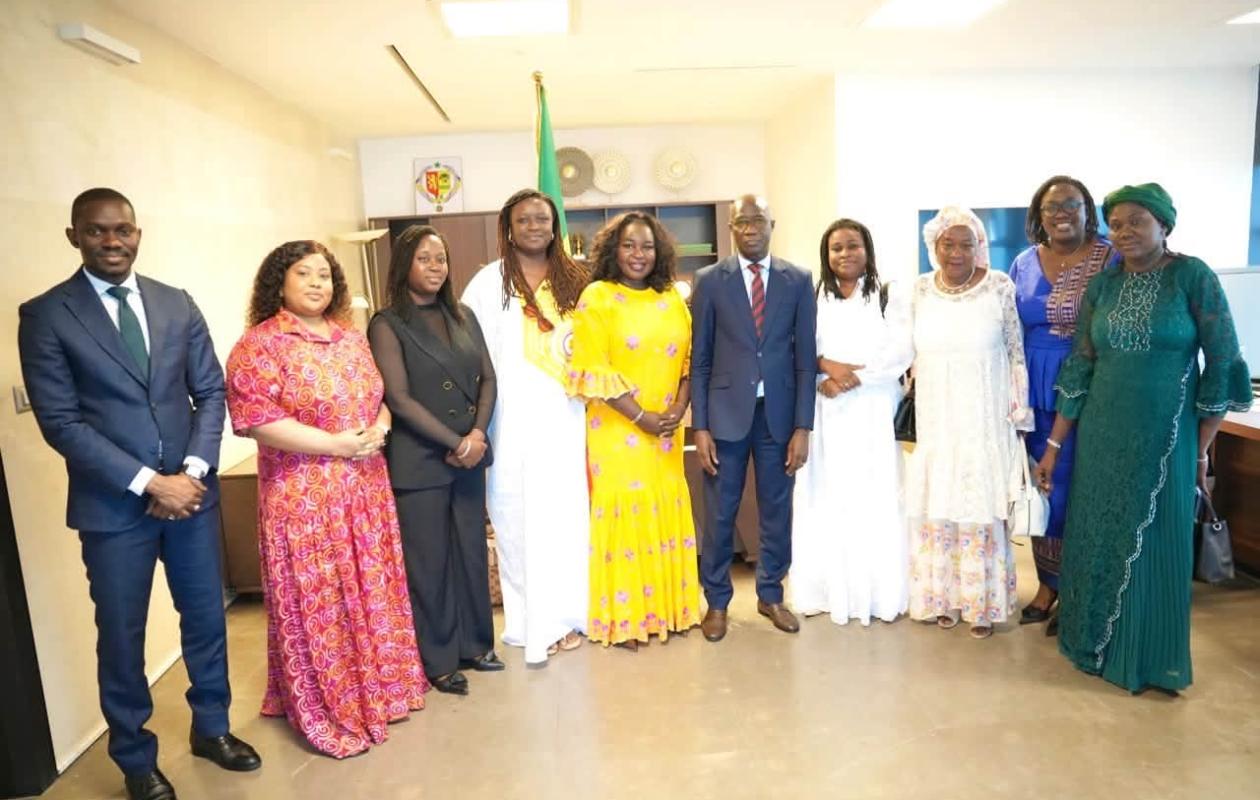
Senegal's legal landscape may soon see a significant transformation with the potential introduction of a specific offense for femicide. Me Moussa Sarr, the Ministre de la Justice and Garde des Sceaux, has publicly expressed his favorable disposition towards this legislative change. This pivotal announcement came during a meeting held on Monday, September 7, 2026, with various women's and feminist organizations, who had specifically advocated for femicide to be recognized as an autonomous crime within the nation's legal framework.
The Minister's stance initiates a crucial discussion regarding the formal inclusion of femicide into Senegalese law. This development unfolds against a somber backdrop, as nine femicides have been documented across Senegal since the beginning of 2026. Public outcry over these incidents intensified in July of the same year, when feminist groups organized demonstrations in Dakar, condemning what they perceived as governmental inaction and demanding robust measures to address gender-based violence. The favorable position articulated by Moussa Sarr on a specific femicide offense in Senegal signals a potential turning point in the country's efforts to combat such heinous crimes.
Expanding the Scope of Gender-Based Violence Legislation
Beyond the immediate focus on a specific femicide offense, the discussions between the Ministre de la Justice Moussa Sarr and the delegation of organizations encompassed a broader array of critical issues related to gender-based violence legislation in Senegal. Key topics included strategies for prevention, enhancing protection for victims, and improving the training of security forces. The organizations also called for more comprehensive support for victims and an increase in resources allocated to Maisons de Justice, which play a vital role in legal aid and access to justice.
The dialogue further extended to other significant legal reforms, such as the refonte of the Code de la famille Sénégal, and the contentious issue of medicalized abortion, particularly in cases stemming from rape or incest. The situation of women in detention, general violence against women and children, and the growing problem of harassment on digital platforms were also brought to the fore. In response, Me Moussa Sarr affirmed that violence against women and girls would be specifically addressed in the forthcoming general criminal policy circular. Regarding the proposed changes to the Family Code and medicalized abortion, the Minister urged continued deliberation, emphasizing the need to forge "dynamic compromises" to navigate these complex societal and legal challenges.
Pathways to Comprehensive Human Rights Reform
Looking ahead, the meeting also laid the groundwork for sustained engagement and strategic development in human rights. The participating organizations put forward proposals for national forums dedicated to the rights of women and girls, alongside the establishment of a permanent framework for dialogue with the state. These initiatives aim to ensure ongoing collaboration and advocacy on critical gender issues.
Responding to these calls, the Minister announced plans for the imminent creation of a consultation framework. This body is slated to convene human rights organizations at least once annually, fostering regular communication and collective action. Additionally, the formation of an ad hoc committee is currently under consideration, tasked with the crucial responsibility of preparing a comprehensive national strategy on human rights. These commitments underscore a broader movement towards strengthening human rights protections and potentially ushering in significant Senegal femicide law reform and other related legal advancements.
Practical Implications
Lawyers practicing criminal law, human rights, or family law in Senegal should monitor this development closely, as the Minister of Justice's favorable stance indicates potential legislative reform to introduce a specific femicide offense, which would impact legal definitions, penalties, and defense strategies. Furthermore, discussions around the Family Code refonte and medicalized abortion suggest broader upcoming changes in related legal areas.
Source
Source: Original reporting via Seneweb
How does this affect you?
Get an AI analysis of this article grounded in your jurisdictions, practice areas, and any policy documents you've uploaded to Wansom.
Finish Reading the Full Story and the Expert Analysis.
Wansom is AI and can make mistakes.