
Moçambique: PNG Fiscais Detidos Sem Acusação Após Morte Natural
Summary
- Two park rangers from Gorongosa National Park are currently detained in Mozambique.
- Their detention is linked to an alleged assault on the head of Mazamba locality, who died days later in Cheringoma district.
- The rangers are being held without formal charges, prompting their defense to seek their release.
- The defense has presented a death certificate indicating polycystic kidney disease as the cause of the local leader's death.
- This medical evidence challenges the basis for the rangers' continued detention without accusation.
Uncharged Detention of Park Rangers
The case of the PNG fiscais highlights critical due process concerns within Mozambique's legal system, particularly regarding the practice of detenção sem acusação.
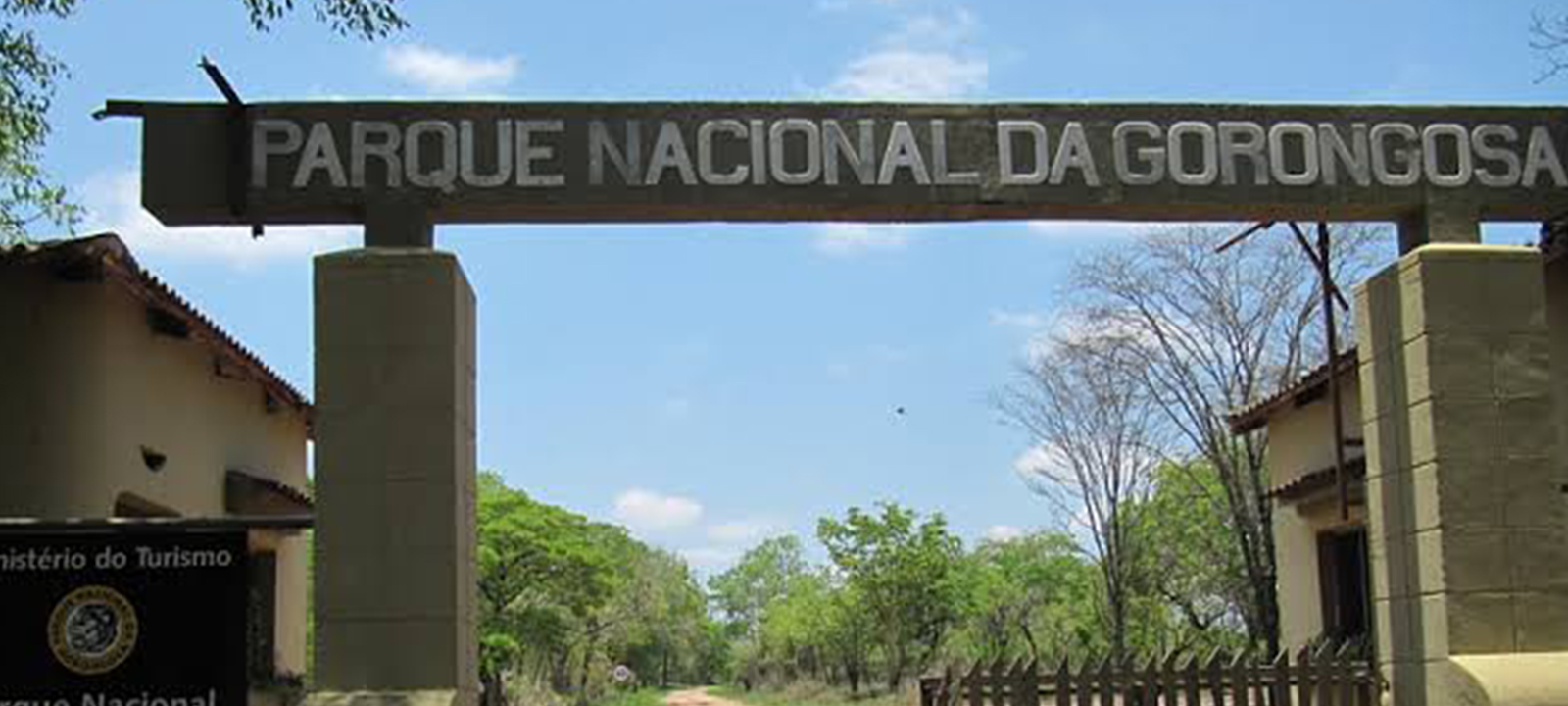
Two park rangers, employed by the Parque Nacional da Gorongosa (PNG), remain in custody in Mozambique following an incident involving the head of the Mazamba locality. The detention of these fiscais stems from an alleged assault that reportedly occurred in the Cheringoma district. Days after this purported altercation, the head of the Mazamba locality passed away, leading to the rangers' continued confinement.
Despite the serious nature of the allegations and the subsequent death of the local leader, the two individuals from the PNG are being held without formal charges. This situation raises significant questions regarding due process and the legal framework governing detentions within the country. The continued confinement of the rangers, absent any official indictment, forms the core of the legal challenge mounted by their defense, which is actively seeking their liberation.
The circumstances surrounding the initial alleged aggression and the subsequent death of the chefe Mazamba are central to the ongoing legal dispute. The defense contends that the lack of formal charges against the rangers, coupled with new evidence, renders their continued detention unjustifiable. This case exemplifies the complexities that can arise when initial accusations lead to prolonged detention without the formal legal process moving forward.
Contradictory Medical Evidence Emerges
In a significant development, the legal representatives for the Gorongosa National Park rangers have formally requested their immediate release, presenting compelling evidence to challenge the basis of their detention. A central piece of evidence supporting this plea is an official death certificate obtained for the deceased head of the Mazamba locality. This crucial document directly addresses the cause of death, presenting a significant counterpoint to the implied narrative surrounding the alleged assault.
The official death certificate explicitly states that polycystic kidney disease was the cause of death for the local leader. This medical finding introduces a critical factual discrepancy, suggesting that the death may not be directly attributable to the alleged assault. The defense argues that this medical certification fundamentally undermines the basis for the rangers' continued detention, especially given the absence of formal charges.
The presentation of such definitive medical evidence demands careful consideration by the authorities. It shifts the focus from the initial allegations of assault to the actual medical condition of the deceased, potentially altering the entire trajectory of the investigation. The defense's reliance on the certidão de óbito underscores the importance of objective medical findings in criminal proceedings, particularly when they contradict initial assumptions about the cause of death.
Legal and Procedural Concerns in Mozambique
The case of the PNG fiscais highlights critical due process concerns within Mozambique's legal system, particularly regarding the practice of detenção sem acusação. The continued holding of individuals without formal charges, especially when contradictory evidence like a death certificate is presented, challenges fundamental principles of justice and legal fairness. The legal team for the rangers is actively seeking their release, emphasizing that the medical evidence should be given appropriate weight in the investigation.
This situation underscores the importance of thorough and impartial investigations that consider all available evidence, rather than relying solely on initial allegations. The presentation of a certified medical document indicating a natural cause of death for the chefe Mazamba should prompt a re-evaluation of the grounds for detention. Ensuring that all facts, including medical findings, are properly assessed is crucial for upholding the rule of law and preventing potential instances of detenção ilegal Moçambique.
The legal implications extend beyond this specific case, touching upon the broader issue of pre-trial detention and the rights of the accused in Mozambique. When a death certificate explicitly identifies a natural cause of death, it casts serious doubt on any claims linking the death to an alleged assault, thereby weakening the justification for continued detention without formal charges.
Practical Implications
This case highlights critical due process concerns in Mozambique, specifically regarding detention without formal charges and the evidentiary weight of medical certificates in determining cause of death. Lawyers should be vigilant in challenging such detentions and ensuring that all relevant medical evidence is properly considered in criminal investigations, particularly when it contradicts initial allegations.
Source
How does this affect you?
Get an AI analysis of this article grounded in your jurisdictions, practice areas, and any policy documents you've uploaded to Wansom.
Finish Reading the Full Story and the Expert Analysis.
Get the latest legal & regulatory intelligence in Mozambique
Wansom is AI and can make mistakes.