
Misericordia University: Unveils New Law School in Pennsylvania
Summary
- Misericordia University announced plans on October 13 to open a new law school in Wilkes-Barre, Pennsylvania.
- The new law school will be located at the current Pennsylvania State University Wilkes-Barre campus after its closure next spring.
- Planning for the law school, including academic and facility development, has been ongoing for over a year.
- Misericordia University has consulted with the American Bar Association regarding accreditation requirements.
- Future steps include recruiting a founding dean and faculty, developing the curriculum, and securing accreditation.
New Legal Education Initiative Announced
The introduction of a new Wilkes-Barre law school is poised to have a notable impact on the regional legal landscape.
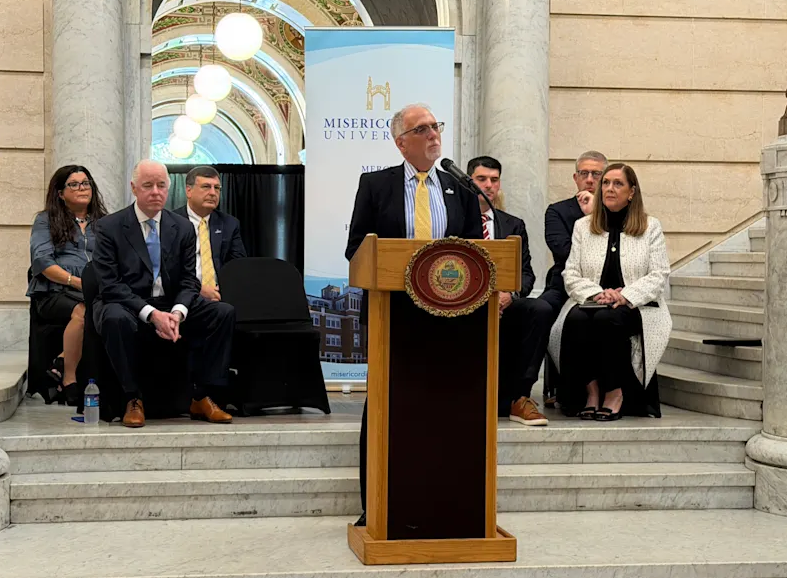
Misericordia University has unveiled plans to establish a new law school, a significant development for legal education in Pennsylvania. The announcement was made by Daniel J. Myers, the university's president, during a news conference held at the Luzerne County Courthouse in Wilkes-Barre, Pennsylvania, on October 13. This initiative marks a strategic expansion for Misericordia University into the legal field.
The proposed Misericordia University new law school Pennsylvania will be situated on the current Wilkes-Barre campus of Pennsylvania State University. This location will become available following the closure of the Pennsylvania State University Wilkes-Barre campus next spring. The university's decision to utilize this existing educational infrastructure underscores a commitment to integrating into the regional academic landscape while providing a dedicated space for legal studies.
Accreditation and Development Timeline
The conceptualization and planning for this new legal institution have been underway for over a year, indicating a thorough and deliberate approach to its establishment. Key preparatory activities have included extensive academic planning, detailed facility development, and crucial consultations with the American Bar Association (ABA) regarding accreditation requirements. This proactive engagement with the ABA is vital for ensuring the future Misericordia law school accreditation process proceeds smoothly.
Following this foundational work, Misericordia University has outlined several critical next steps. These include the recruitment of a founding dean to lead the new school, the assembly of a distinguished law school faculty, and the comprehensive development of its curriculum. Achieving ABA law school approval is a paramount objective, and these initial phases are designed to meet the rigorous standards necessary for such recognition.
Vision and Regional Impact
President Daniel J. Myers articulated a clear vision for the new law school, emphasizing its role in upholding the core values that have defined Misericordia University for more than a century. He stated that the goal is to cultivate a distinctive law school rooted in principles of service, ethical leadership, academic excellence, and opportunity. This commitment reflects the university's long-standing heritage and its dedication to producing graduates who embody these ideals.
The introduction of a new Wilkes-Barre law school is poised to have a notable impact on the regional legal landscape. It will introduce a fresh source of legal talent into the market, potentially influencing local legal education trends and recruitment strategies for law firms and organizations across Pennsylvania. This expansion by Misericordia University represents a significant investment in the future of legal professionals within the commonwealth.
Practical Implications
Lawyers and firms in Pennsylvania should monitor the development of Misericordia University's new law school as it will introduce a new source of legal talent into the regional market and could influence local legal education trends and recruitment strategies.
Source
How does this affect you?
Get an AI analysis of this article grounded in your jurisdictions, practice areas, and any policy documents you've uploaded to Wansom.
Finish Reading the Full Story and the Expert Analysis.
Get the latest legal & regulatory intelligence in United States
Wansom is AI and can make mistakes.