
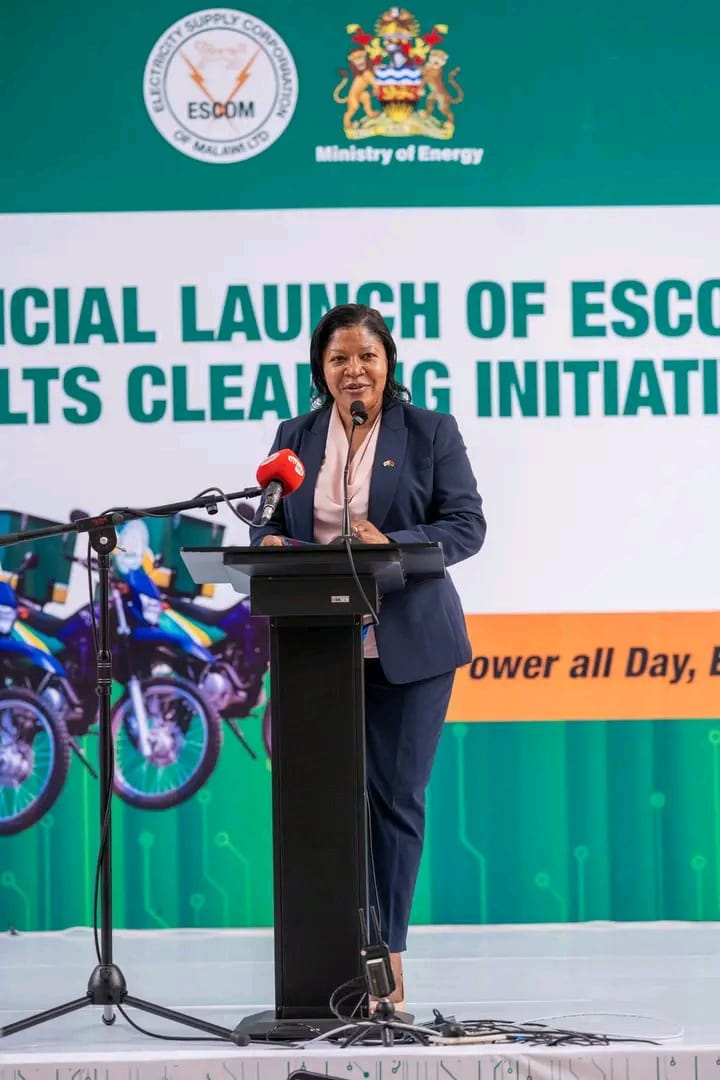
Minister Mathanga: Escom Sabotage Allegations Rock Malawi Utility
Summary
- Energy Minister Jean Mathanga accused some Escom employees of deliberately causing power cuts for political reasons.
- The minister issued a warning that any staff member engaging in political activities should leave the state-owned power utility.
- These accusations were made during the launch of Escom’s Fault Clearing Initiative in Lilongwe.
- The allegations highlight concerns over political interference and potential sabotage within Malawi's critical energy sector.
- The situation underscores the importance of political neutrality and robust internal compliance within state-owned enterprises.
What Happened
For legal professionals advising state-owned enterprises in Malawi, especially those in the energy sector, this situation underscores the critical need to review and strengthen internal compliance frameworks.
Malawi's Energy Minister, Jean Mathanga, recently leveled serious allegations against certain employees of the Electricity Supply Corporation of Malawi (Escom), accusing them of deliberately undermining the utility's operations. The minister asserted that these individuals were intentionally causing power outages with the aim of achieving political objectives, a charge that underscores the delicate intersection of public service and political influence within state-owned enterprises in Malawi.
Speaking at the inauguration of Escom’s new Fault Clearing Initiative in Lilongwe, Minister Mathanga did not mince words, characterizing the alleged actions as a form of sabotage. She emphasized that any staff member found to be engaging in political maneuvering while employed by the corporation should resign. The minister’s remarks highlight a deep concern within the government regarding the stability and impartiality of critical national services like power supply, especially when faced with potential internal disruptions. She described the new initiative as a strategic measure to address operational challenges.
Legal and Regulatory Framework
The accusations made by Minister Mathanga against Escom employees carry significant weight within Malawi's legal and regulatory landscape, particularly for state-owned entities. Such allegations of Escom staff misconduct, if substantiated, could lead to severe disciplinary actions, including termination of employment, and potentially criminal charges depending on the nature and impact of the alleged sabotage. State corporations are typically governed by specific statutes and internal codes of conduct that mandate political neutrality and prohibit actions detrimental to the organization's mission.
For legal professionals advising state-owned enterprises in Malawi, especially those in the energy sector, this situation underscores the critical need to review and strengthen internal compliance frameworks. These frameworks must clearly delineate expectations regarding employee conduct, political neutrality, and the handling of sensitive operational information. The Energy Minister Malawi statement serves as a stark reminder of the potential legal and reputational risks arising from alleged staff sabotage and political interference, necessitating robust internal investigation protocols and preparedness for disciplinary proceedings to uphold corporate integrity and public trust.
Why It Matters
The allegations of Minister Mathanga Escom sabotage Malawi are not merely an internal human resources issue; they have profound implications for national stability, economic development, and public confidence in essential services. Persistent Malawi power cuts politics can cripple industries, disrupt daily life, and erode investor confidence, making the reliability of the power supply a matter of national security and economic prosperity. The minister's public warning signals a government determined to address perceived threats to critical infrastructure from within.
This situation also brings into focus the broader challenges faced by state-owned enterprises in developing nations, where political interference and internal dissent can often undermine operational efficiency and public service delivery. The utility sabotage accusations by a high-ranking official like Jean Mathanga Escom allegations demand a transparent and thorough investigation to either validate or refute the claims, thereby restoring faith in Escom's operations and ensuring accountability. The outcome will set a precedent for how similar issues of political influence within vital public services are handled across the country.
Practical Implications
Lawyers advising state-owned enterprises in Malawi, particularly in the energy sector, should review internal compliance frameworks regarding political neutrality and employee conduct. This situation highlights potential legal and reputational risks from alleged staff sabotage and political interference, necessitating preparedness for internal investigations or disciplinary proceedings.
Source
How does this affect you?
Get an AI analysis of this article grounded in your jurisdictions, practice areas, and any policy documents you've uploaded to Wansom.
Wansom is AI and can make mistakes.