
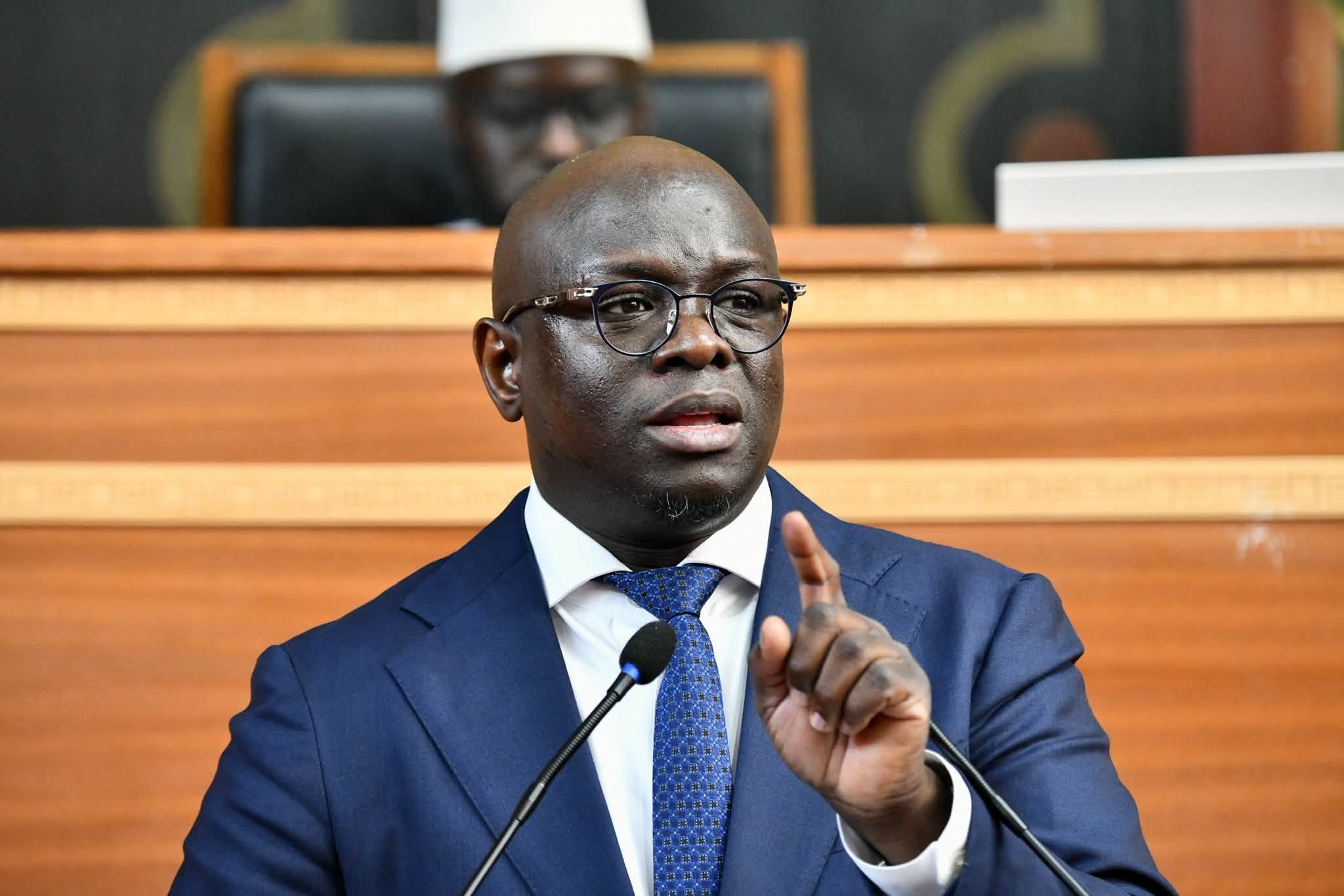
Minister Cheikh Diba Refers Rectified Budget Rejection to President for Action
In Senegal, following the plenary rejection of the 2026 Rectified Finance Law (LFR) by the National Assembly, Minister of Economy, Finance, and Plan Cheikh Diba stated that the responsibility for determining the subsequent steps now rests with President Bassirou Diomaye Faye. This rejection, which followed an earlier refusal in commission, has escalated into a significant political confrontation, with Minister Diba criticizing deputies for refusing debate and warning of the implications for state support to the populace.
This event signifies a major constitutional and political impasse in Senegal, where the executive's proposed budget adjustments have been rejected by the legislature. The LFR is a critical tool for government financial management, and its rejection can have profound implications for public spending, economic stability, and the government's ability to implement its policies. The minister's statement about the President taking "necessary measures" hints at potential executive actions, which could include re-submitting the bill, seeking a vote of confidence, or even dissolving the assembly, depending on constitutional provisions. This situation critically tests the balance of power between the executive and legislative branches.
The legal framework at play includes the Senegalese Constitution, particularly articles pertaining to the legislative process, budget adoption, and the relationship between the executive and legislative branches. Key provisions would cover the powers of the National Assembly to approve or reject finance laws, the President's prerogatives in such situations, and potentially emergency powers or mechanisms for resolving legislative deadlocks. The Law on Finance (Loi de Finances) and its rectified versions are central to the state's financial management. The dispute also touches upon parliamentary procedure and the right to debate, as highlighted by Minister Diba's criticism of the deputies for preventing public understanding of the proposed budget changes, particularly the substantial increase in energy subsidies.
Key parties involved include Minister of Economy, Finance, and Plan Cheikh Diba, President Bassirou Diomaye Faye, the National Assembly (specifically the parliamentary majority that rejected the LFR), and Minister of Industry and Commerce Serigne Guèye Diop, who had previously warned of presidential action if the LFR was not adopted. These actors are central to the ongoing political and constitutional dialogue surrounding the budget.
Attorneys should closely monitor the President's response and any subsequent executive or legislative actions, as these could set important precedents for constitutional interpretation and the balance of power in Senegal. Businesses, particularly those reliant on government contracts, subsidies, or specific economic policies, should prepare for potential fiscal uncertainty or delays in government spending, which could impact their operations and financial forecasts. Legal advisors should be ready to counsel clients on the implications of potential government actions, continued legislative gridlock, or any constitutional challenges that may arise from this significant political impasse.
How does this affect you?
Get an AI analysis of this article grounded in your jurisdictions, practice areas, and any policy documents you've uploaded to Wansom.
Wansom is AI and can make mistakes.