
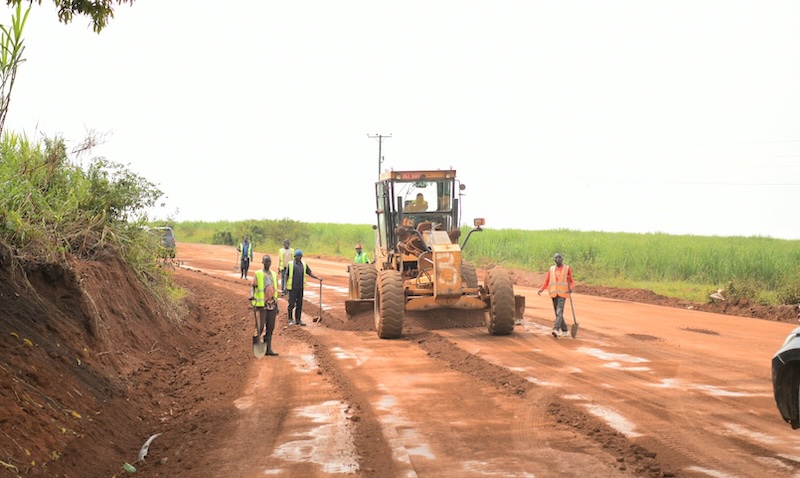
Minister Byamukama: CRSG Biiso Road Deadline Set for February 2027
Summary
- Uganda's Works and Transport Minister Fred Byamukama has ordered China Railway Seventh Group (CRSG) to complete the Masindi-Biiso road.
- The 47-kilometer road project, which has faced significant delays, must be finalized by February 2027.
- This directive was issued by Minister Byamukama during an inspection of the site.
- The Masindi-Biiso road is identified as one of Uganda's critical oil roads, located in the Bunyoro sub-region.
Ministerial Directive Issued
Minister Byamukama's explicit instruction to CRSG to meet the February 2027 deadline sets a significant precedent for how the Ugandan government intends to manage and enforce contractual obligations on major infrastructure projects.
Works and Transport Minister Fred Byamukama has issued a definitive directive concerning the long-delayed 47-kilometer Masindi-Biiso road project. The mandate explicitly requires China Railway Seventh Group Company Limited (CRSG), the contractor responsible for the works, to ensure the road's full completion by February 2027. This firm deadline was communicated by Minister Byamukama during a recent inspection of the road, which is situated within the strategically important Bunyoro sub-region and is part of Uganda's critical oil infrastructure.
The ministerial order underscores a heightened focus on accelerating critical infrastructure developments across Uganda, particularly those that have experienced significant setbacks. Minister Byamukama's on-site intervention and subsequent directive serve as a clear signal to all contractors regarding the government's expectation for timely delivery on national projects. This proactive approach aims to mitigate the economic and logistical impacts of protracted construction timelines, emphasizing accountability in public works.
Project Significance and Delays
The 47-kilometer Masindi-Biiso road is not merely a local thoroughfare but forms a vital part of Uganda's network of "oil roads." These infrastructure projects are crucial for supporting the nation's burgeoning oil sector, facilitating the movement of equipment, personnel, and resources within the Bunyoro sub-region. Its strategic importance means that delays in its completion have broader implications for national development plans and economic timelines, impacting the overall efficiency of oil exploration and production activities.
China Railway Seventh Group Company Limited (CRSG) has been tasked with the construction of this key route. However, the project has experienced considerable and well-documented delays, leading to the current situation where a direct ministerial directive was deemed necessary to enforce a new, firm completion date. The ongoing nature of these delays has drawn significant attention, culminating in Minister Byamukama's on-site inspection and subsequent order to accelerate progress.
Legal and Contractual Implications
Minister Byamukama's explicit instruction to CRSG to meet the February 2027 deadline sets a significant precedent for how the Ugandan government intends to manage and enforce contractual obligations on major infrastructure projects. This direct intervention highlights a proactive stance by the authorities to mitigate the impact of project delays, especially for developments critical to national interests like the Masindi-Biiso oil road. Such directives can significantly alter the operational landscape for contractors, demanding stricter adherence to agreed-upon schedules.
For construction firms operating within Uganda, this ministerial directive signals a potential shift towards more stringent oversight and less tolerance for protracted project timelines. Lawyers advising such companies should note that while these directives may not immediately alter existing contract clauses, they can exert considerable governmental pressure. This pressure could influence negotiations around penalty clauses, extensions, and the overall enforcement of completion schedules, potentially leading to more rigorous application of contractual terms and increased scrutiny of performance. The government's willingness to publicly set and enforce such deadlines could reshape expectations for project management and accountability in the country's infrastructure sector, emphasizing the importance of robust project planning and execution.
Practical Implications
Lawyers advising construction firms in Uganda should note this ministerial directive as a precedent for government intervention in delayed infrastructure projects, potentially impacting contractual obligations, penalty clauses, and the enforcement of completion deadlines.
Source
How does this affect you?
Get an AI analysis of this article grounded in your jurisdictions, practice areas, and any policy documents you've uploaded to Wansom.
Finish Reading the Full Story and the Expert Analysis.
Get the latest legal & regulatory intelligence in Uganda
Wansom is AI and can make mistakes.