
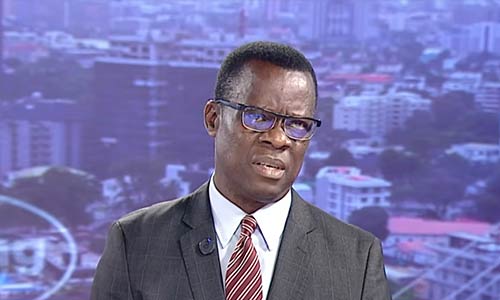
Mike Igini Seeks Trump Election Sanctions on Nigerian Officials
Summary
- Former INEC Resident Electoral Commissioner Mike Igini wrote to US President Donald Trump.
- Igini urged the Trump administration to impose targeted sanctions on Nigerian officials.
- The requested sanctions include visa restrictions and asset freezes for those found culpable of electoral fraud.
- The proposed targets are Nigerian electoral officials, judicial officers, and security personnel.
- Igini emphasized the need for pre-emptive action, stating, "The Time To Act Is Before The Election."
A Call for Accountability
This proactive stance aims to address systemic issues within Nigeria's electoral framework by leveraging international pressure.
Former Independent National Electoral Commission (INEC) Resident Electoral Commissioner (REC), Mike Igini, has formally appealed to United States President Donald Trump, urging his administration to implement specific punitive measures against Nigerian individuals implicated in electoral malpractices. This direct communication from Igini to the US President highlights a significant push for international intervention in Nigeria's electoral integrity.
Igini's letter specifically requested the imposition of targeted sanctions, which would include both visa restrictions and the freezing of assets. These proposed penalties are intended for a defined group of individuals: Nigerian electoral officials, members of the judiciary, and security personnel. The former REC stipulated that these sanctions should only be applied to those found to be culpable of electoral fraud or other grave offenses related to the electoral process. This initiative by Mike Igini, seeking Trump election sanctions, underscores a desire for robust international action to deter future misconduct.
Proactive Deterrence Against Electoral Misconduct
The impetus behind former INEC REC Mike Igini's communication to President Trump was encapsulated in a powerful statement attributed to him: "The Time To Act Is Before The Election." This phrase conveys a strategic perspective, advocating for preventative measures rather than reactive responses to electoral irregularities. Igini's appeal suggests that pre-emptive sanctions could serve as a formidable deterrent, discouraging potential perpetrators of electoral fraud before they can undermine the democratic process.
This proactive stance aims to address systemic issues within Nigeria's electoral framework by leveraging international pressure. The request for US asset freeze Nigerian officials and Nigerian election visa bans is designed to raise the personal stakes for those considering involvement in illicit electoral activities. By targeting individuals rather than the state, the proposed sanctions seek to foster greater accountability among key actors responsible for upholding the fairness and transparency of elections. The letter from the former INEC REC, therefore, represents a significant plea for external support in strengthening Nigeria's democratic institutions.
International Scrutiny and Potential Ramifications
The call for electoral fraud sanctions Nigeria by a prominent former electoral official signals a growing international focus on the integrity of the nation's democratic exercises. Should the Trump administration act on Igini's recommendations, the implementation of US asset freezes and visa restrictions could have far-reaching consequences for the targeted individuals and potentially influence future electoral conduct. Such measures would not only restrict travel and access to international financial systems for those implicated but also send a strong message about the global community's commitment to fair elections.
The prospect of Nigerian election visa bans and asset freezes underscores the increasing vulnerability of officials to international legal and financial repercussions for actions taken within their national borders. This development highlights a trend where external powers are increasingly willing to use diplomatic and economic tools to promote democratic norms. While the specific outcome of the INEC REC Igini letter remains to be seen, its very existence points to a heightened level of scrutiny on Nigeria's electoral processes and the potential for significant international pressure to ensure their credibility. The request could be interpreted by some as a form of Trump Nigeria election interference, depending on the perspective, but it primarily aims to bolster democratic principles through external accountability.
Practical Implications
Lawyers advising high-profile Nigerian clients, particularly those involved in electoral processes or the judiciary, should assess potential exposure to international sanctions, including US visa bans and asset freezes, due to increased scrutiny on electoral integrity. Compliance officers must monitor for individuals implicated in electoral fraud to mitigate financial and reputational risks.
Source
How does this affect you?
Get an AI analysis of this article grounded in your jurisdictions, practice areas, and any policy documents you've uploaded to Wansom.
Finish Reading the Full Story and the Expert Analysis.
Get the latest legal & regulatory intelligence in Nigeria
Wansom is AI and can make mistakes.