
TFG: Michael Lewis Chairman Exit Amid Shareholder Pressure
Summary
- Michael Lewis will step down as TFG Limited chairman at the end of December after 11 years, reportedly due to shareholder discontent.
- His departure marks the first time since 1958 that TFG's board will not have family representation.
- Shareholder pressure intensified following TFG's underperformance relative to optimistic forecasts and a controversial R1 billion share buyback that preceded a significant share price drop.
- Three new independent directors, including Alexandra Watson as the new chair and activist shareholder Craig Butters, have been appointed to the board.
- Major institutional investors like M&G Investments and the Public Investment Corporation have actively challenged TFG's board decisions, particularly on remuneration and governance.
Leadership Transition at TFG
The mounting shareholder pressure has directly led to significant changes in TFG's board composition.
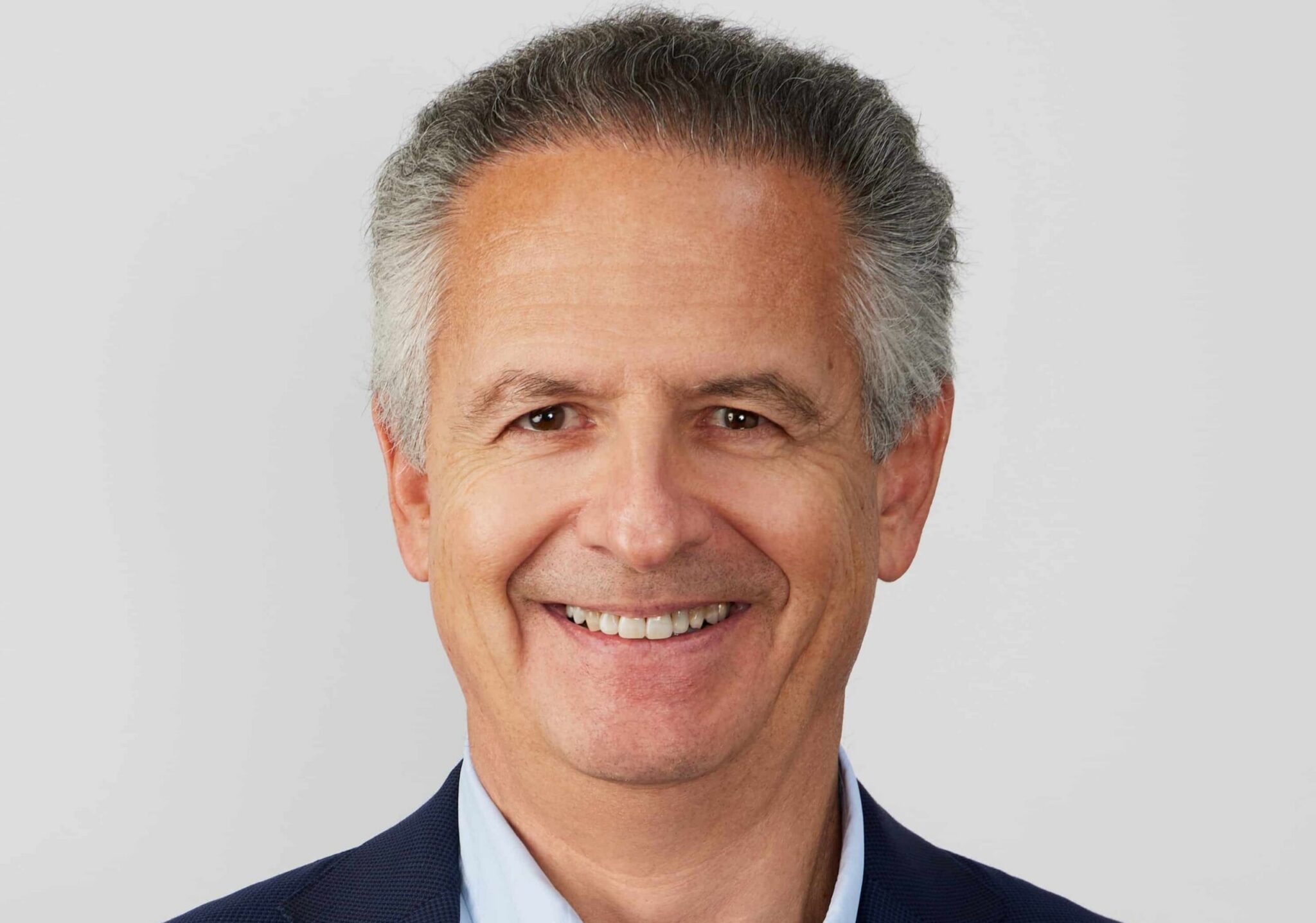
Michael Lewis, the long-serving chairman of TFG Limited, is set to depart from the board at the close of December, concluding an 11-year tenure in the leadership role. His association with the retailer spans nearly 38 years as a director. While the official communication states that Lewis will "retire as a director and chair of the board," it is understood that significant shareholder dissatisfaction ultimately compelled this change. Such a departure by a chairman of a JSE-listed company before its Annual General Meeting is considered highly unusual.
This Michael Lewis TFG chairman exit marks a significant moment for the company, as it will be the first time since 1958 that the board lacks family representation. That year, his father, Stanley Lewis, acquired a majority stake in Foschini. Stanley Lewis himself stepped down from the board in 1999, with his son, Michael, assuming the chairmanship from David Nurek in 2015. Michael Lewis currently holds just under 1.5 million shares in TFG, a figure approximately half of the holdings of both the Chief Executive Officer and Chief Financial Officer.
Shareholder Pressure Mounts
TFG has faced intense scrutiny for approximately the past 15 months, stemming from a bullish capital markets day in August 2025. The optimistic outlook presented at that event was not subsequently supported by trading updates, including one issued just days later and a particularly concerning announcement in October. This performance gap contributed significantly to the TFG board changes shareholder pressure. The company's share price has seen a 39% decline year-to-date, despite a strong market rally on a recent Thursday that saw its shares close up by 4.4%.
Further exacerbating shareholder concerns was the decision to borrow R1 billion for a share buyback program conducted in September and October 2025. These shares were repurchased at an average price of R105.87 each. Since that period, the company's share price has approximately halved, raising questions about capital allocation and the board's strategic decisions. This series of events fueled the growing discontent among investors, ultimately leading to the chairman's impending departure.
New Board Appointments and Activist Influence
The mounting shareholder pressure has directly led to significant changes in TFG's board composition. As of November 7, three new independent directors have been appointed, signaling a clear response to investor demands for enhanced oversight and fresh perspectives. Among these new appointees is Alexandra Watson TFG new chair, who is slated to take over the chairmanship from January 1. Watson brings extensive experience, currently chairing Advtech and having served on the board of Coronation Fund Managers for 17 years.
Another notable addition is Craig Butters TFG activist director, whose appointment underscores the increasing influence of activist shareholders. Butters' background includes a tenure at M&G between 2010 and 2019, suggesting that M&G Investments, a significant shareholder with an 11.6% stake in TFG, may have been a primary catalyst behind these board shifts. The third new director is Thabiso Madiba, who chairs the Sasol Khanyisa board. Butters boasts over 25 years of experience in equity research and portfolio management, including roles at M&G (then Prudential Investment Managers) and Brait Specialised Funds.
Evolving Corporate Governance Landscape
The recent developments at TFG highlight a broader trend of increasing shareholder assertiveness within the JSE corporate governance shareholder activism landscape. While the Public Investment Corporation (PIC), TFG's largest shareholder with a 15.3% stake as of March 31, 2026, is not typically known as an activist investor, its past voting record indicates a willingness to challenge board decisions. In 2024, the PIC opposed resolutions concerning audit committee appointments and non-binding votes on remuneration policy and its implementation.
M&G Investments, holding 11.6% of TFG, also demonstrated its influence. While M&G voted in favor of Michael Lewis's reappointment in 2025, it notably opposed the appointment of Boitumelo Makgabo-Fiskerstrand to the audit committee, two remuneration resolutions, and a special resolution allowing directors to issue authorized but unissued shares for cash. It is understood that at least one of these major shareholders was instrumental in garnering broader support to press for Lewis's departure. This assertive stance by institutional investors reflects a growing demand for accountability and robust governance from listed entities. TFG itself initiated a board overhaul in 2023, revising the classification of director independence, and faced significant opposition at its 2026 AGM to the re-election of lead independent director Graham Davin to the audit committee, who was re-elected with only 52.07% of votes in favor, a clear signal of discontent after over a decade on the board.
Practical Implications
This case underscores the increasing assertiveness of institutional shareholders and activist investors in South Africa, demanding accountability from JSE-listed company boards regarding performance, executive remuneration, and capital allocation. Lawyers advising listed entities or institutional investors should note the heightened scrutiny on board independence and the potential for forced leadership changes, necessitating robust corporate governance practices and proactive shareholder engagement strategies.
Source
Source: Original reporting via Moneyweb
How does this affect you?
Get an AI analysis of this article grounded in your jurisdictions, practice areas, and any policy documents you've uploaded to Wansom.
Wansom is AI and can make mistakes.