
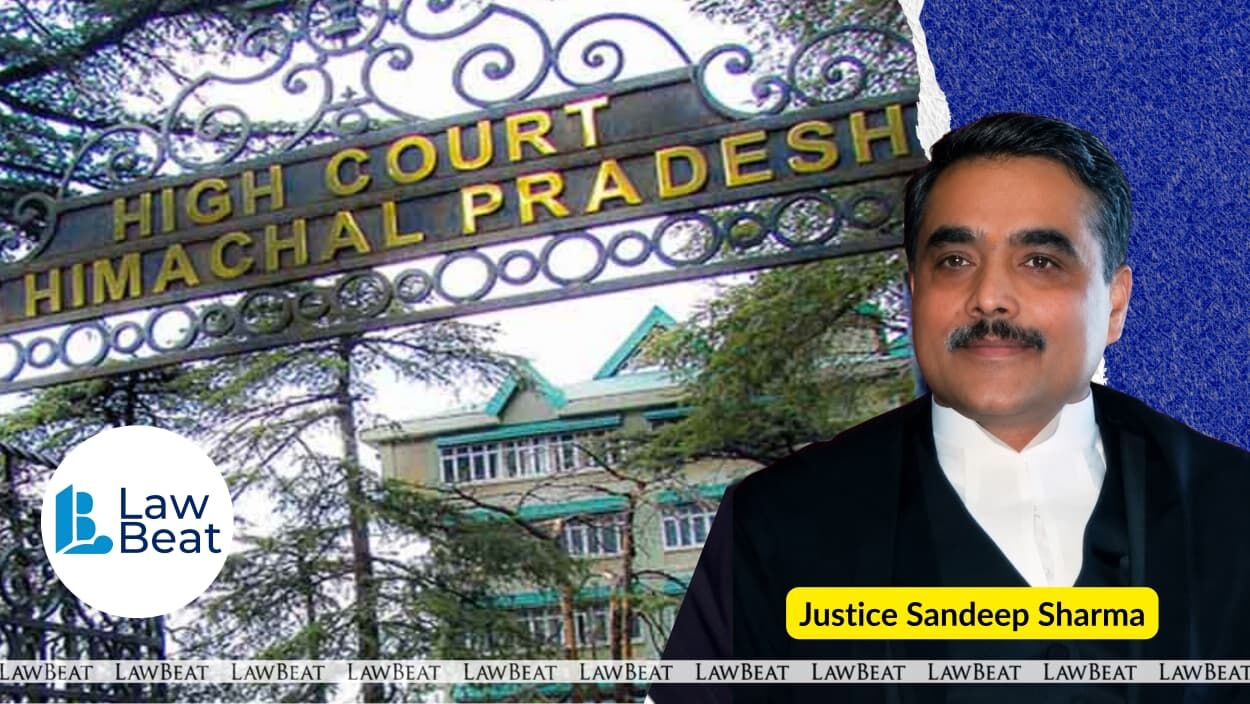
Himachal Pradesh High Court Quashes Rioting FIR, Rules Protest Participation Is Not Unlawful Assembly
Participating in a public demonstration does not automatically make a citizen part of an unlawful assembly, the Himachal Pradesh High Court has ruled.
Justice Sandeep Sharma quashed a long-standing criminal case against three individuals accused of rioting and assault during a 2017 demonstration.
The High Court clarified that police cannot apply collective criminal liability under Section 149 of the Indian Penal Code without evidence showing an individual shared the crowd's violent intention.
The Case and Allegations
The case stemmed from a July 2017 demonstration in Khushinagar. Local residents gathered to protest after police arrested a schoolteacher facing sexual assault allegations.
According to police filings, demonstrators entered school premises, ordered students out of classrooms, and assaulted several teachers.
Authorities subsequently filed an FIR against multiple attendees—including the three petitioners—charging them with trespass, rioting, assault on public servants, and unlawful assembly
High Court Rejects Blanket Police Liability
The High Court reviewed police witness statements and medical records, finding zero evidence linking the petitioners to the violence.
The school principal's initial complaint actually revealed that two petitioners stood near the local Sub-Divisional Magistrate and actively shielded teachers from attack. The police records omitted the third petitioner entirely from the victim statements.
The High Court rejected state prosecutors' arguments that mere presence in a crowd justifies criminal trials for rioting.
"It is well-settled that mere presence at the crime scene would not ipso facto render a person member of the unlawful assembly... Liability would shift to the bystander only when he shared the common object with the unlawful assembly."
— Justice Sandeep Sharma, Himachal Pradesh High Court
Legal Precedent Established
■ Presence vs. Intent : Attendance at a protest does not prove intent to riot
■ Rescuers Shielded : Citizens attempting to stop violence cannot be framed as rioters
■ Case Dismissal : High Court quashed all proceedings under Section 528 BNSS / Sec 482 CrPC
Protection for Peaceful Assembly
Justice Sharma cited recent Supreme Court decisions, confirming that constructive criminal guilt requires proof of a shared unlawful goal.
Because two of the petitioners actively attempted to stop the assault while the third had no documented involvement, the High Court concluded that conviction chances were non-existent.
The High Court officially terminated all criminal proceedings against the three men, establishing clear boundaries for law enforcement when handling public demonstrations.
How does this affect your business?
Get an AI analysis of this article grounded in your jurisdictions, practice areas, and any policy documents you've uploaded to Wansom.
Wansom is AI and can make mistakes.