
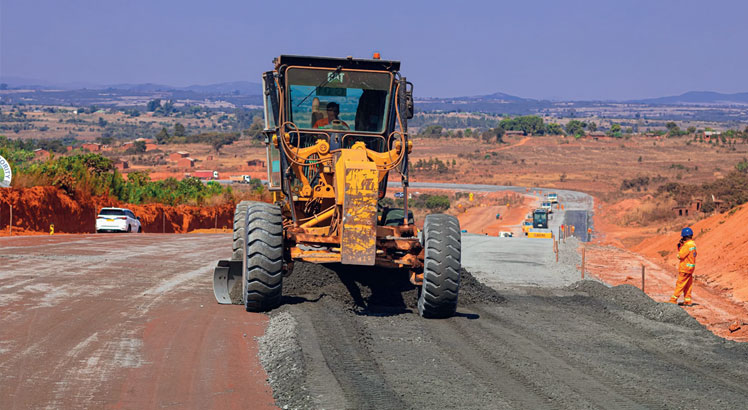
Mera: Liberalises Diesel Imports for Malawi Strategic Projects
Summary
- The Malawi Energy Regulatory Authority (Mera) has liberalized diesel imports for specific entities.
- Companies undertaking strategic development projects in Malawi can now self-import diesel for their own use.
- This new Mera fuel import policy aims to enhance efficiency and reliability for critical national initiatives.
- Both the Malawi Building, Civil Engineering and Allied Trades Association (Mabcata) and the Consumers Association of Malawi (Cama) have applauded the decision.
- The change is expected to mitigate supply disruptions and optimize project timelines for major developments.
Policy Overhaul for Diesel Imports
This move by Mera liberalises diesel imports Malawi, marking a substantial departure from previous import frameworks and introducing a new degree of flexibility for critical national undertakings.
The Malawi Energy Regulatory Authority (Mera) has recently announced a significant overhaul of its policy governing the importation of diesel fuel. This pivotal regulatory change now grants companies actively engaged in strategic development projects across Malawi the explicit authorization to directly procure and import diesel for their exclusive operational use. This move by Mera liberalises diesel imports Malawi, marking a substantial departure from previous import frameworks and introducing a new degree of flexibility for critical national undertakings. The decision has already garnered widespread positive feedback from both the business community and consumer advocacy groups, signaling a broad consensus on its potential benefits.
Empowering Strategic Projects Through Self-Importation
At the heart of this updated Mera fuel import policy is the objective to empower entities driving key national initiatives. Companies involved in what are deemed strategic development projects can now exercise the option of self-importation of fuel in Malawi, specifically for their diesel requirements. This means they are no longer exclusively bound by the general commercial supply chains for this vital commodity. The Malawi Energy Regulatory Authority diesel directive is anticipated to enhance the operational efficiency and reliability of fuel supply for these large-scale endeavors, which are often critical for the nation's infrastructure and economic growth. The ability for these specific companies to manage their own diesel procurement is expected to mitigate potential supply disruptions and optimize project timelines, thereby accelerating the pace of development.
Widespread Acclaim from Key Stakeholders
The policy adjustment has been met with considerable enthusiasm from influential organizations representing both industry and consumers. During separate interviews conducted yesterday, both the Malawi Building, Civil Engineering and Allied Trades Association (Mabcata) and the Consumers Association of Malawi (Cama) expressed their strong approval of Mera's decision. The Mabcata Cama Mera diesel policy has been particularly welcomed by the construction and engineering sectors, which frequently undertake large-scale projects with substantial diesel demands. Consumer advocates, meanwhile, likely view the policy as a step towards greater economic efficiency, which could indirectly benefit consumers through more stable project costs and timely completion of essential services. This broad-based endorsement underscores the perceived positive impact of the regulatory change across various segments of the Malawian economy.
Broader Economic Implications
The liberalization of diesel imports for strategic projects carries broader implications for Malawi's economic landscape. By allowing self-importation, Mera aims to ensure that critical development initiatives, which often require substantial and consistent fuel supplies, can proceed without undue delays or cost escalations caused by supply chain inefficiencies. This strategic move is expected to foster a more predictable operating environment for major projects, potentially attracting further investment and accelerating the completion of infrastructure and other vital works. The positive reception from both business and consumer groups suggests a shared understanding that a more flexible and efficient fuel import regime for these specific projects will ultimately contribute to national development and stability.
Practical Implications
This policy change by Mera allows companies undertaking strategic development projects in Malawi to self-import diesel. Lawyers and compliance officers advising such companies should review existing procurement and import strategies to leverage this new flexibility, potentially optimizing supply chains and reducing operational costs.
Source
How does this affect you?
Get an AI analysis of this article grounded in your jurisdictions, practice areas, and any policy documents you've uploaded to Wansom.
Finish Reading the Full Story and the Expert Analysis.
Get the latest legal & regulatory intelligence in Malawi
Wansom is AI and can make mistakes.