
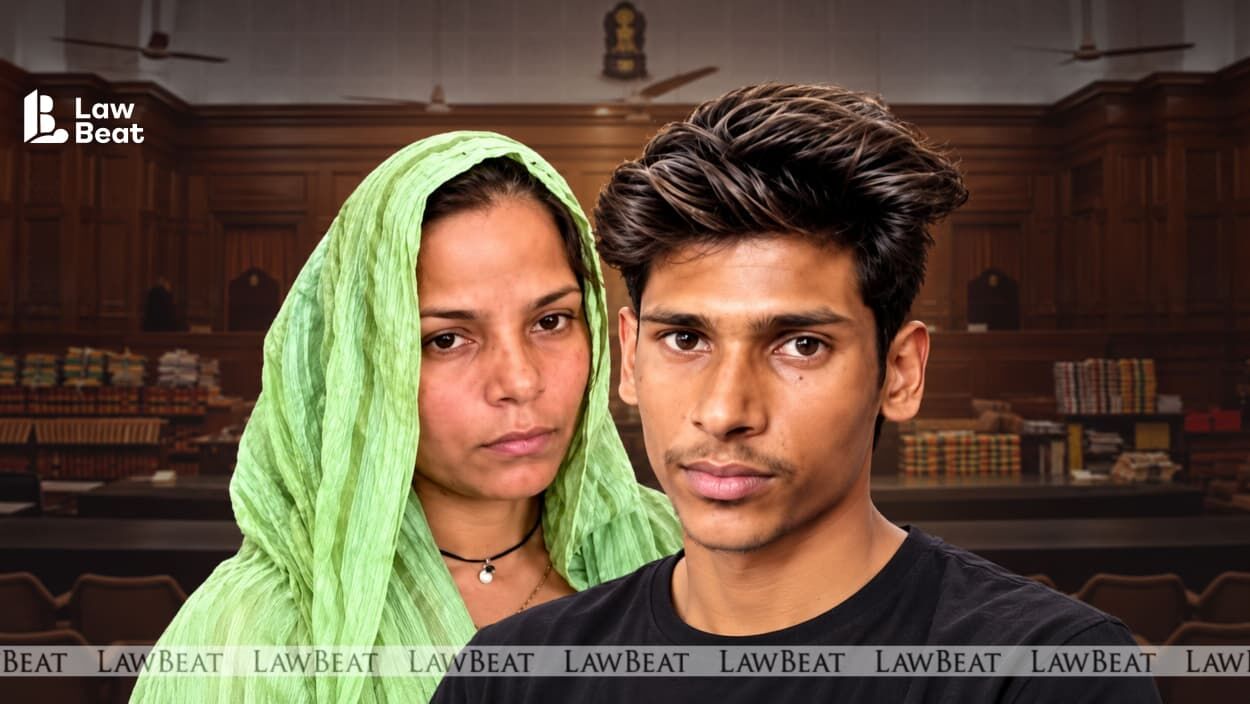
Meerut Court Sentences Couple to Death for Murder, Faking Snakebite
A Meerut Sessions Court in India recently sentenced Amardeep (20) and Ravita (28) to death for the murder of Ravita's husband, Amit Kashyap, by strangulation and attempting to conceal the crime by planting a snake to fake a snakebite death.
This case is profoundly significant for criminal law practitioners in India, particularly as it represents one of the early instances of convictions and death sentences under the newly enacted Bharatiya Nyaya Sanhita (BNS), 2023. The court's strong condemnation of the act as an "attack on Indian culture and marital trust" reflects a judicial perspective that extends beyond mere criminality, potentially influencing sentencing philosophy in cases involving similar moral dimensions. The reliance on a robust chain of circumstantial evidence, including call-detail records, last-seen evidence, and the alleged purchase and recovery of the snake, underscores the stringent evidentiary standards required for capital punishment.
The convictions and death sentences were handed down under Sections 103(1), 3(5), and 238 of the Bharatiya Nyaya Sanhita (BNS), 2023, which correspond to the erstwhile Sections 302 (murder), 34 (common intention), and 201 (causing disappearance of evidence) of the Indian Penal Code (IPC). This highlights the ongoing transition from the IPC to the BNS and provides an early judicial interpretation of the new code's provisions. Crucially, the death sentence is subject to mandatory confirmation by the Allahabad High Court, a standard appellate review process for capital punishment in India, demonstrating the checks and balances within the judicial system.
Key parties involved in this matter include the Meerut Sessions Court, presided over by Additional Sessions Judge Jaiveer Singh Nagar, the convicts Amardeep and Ravita, the victim Amit Kashyap, and the complainant Monu Kashyap, the victim's elder brother. The Allahabad High Court is also a pivotal party, as its confirmation is essential for the death sentence to be upheld. The court found that the prosecution had established a chain of circumstantial evidence, leading to the conviction.
Criminal defense and prosecution attorneys must thoroughly familiarize themselves with the Bharatiya Nyaya Sanhita (BNS), 2023, as this case demonstrates its active implementation and the potential for severe penalties under its provisions. The emphasis on circumstantial evidence and the court's strong moral pronouncements in sentencing are critical aspects to consider. Practitioners should closely follow the Allahabad High Court's confirmation proceedings, as its decision will provide further clarity on the application of BNS provisions and the standards for upholding death sentences. This case also serves as a reminder of the importance of meticulous evidence collection and presentation, particularly in cases relying on circumstantial chains.
How does this affect you?
Get an AI analysis of this article grounded in your jurisdictions, practice areas, and any policy documents you've uploaded to Wansom.
Finish Reading the Full Story and the Expert Analysis.
Get the latest legal & regulatory intelligence in India
Wansom is AI and can make mistakes.