
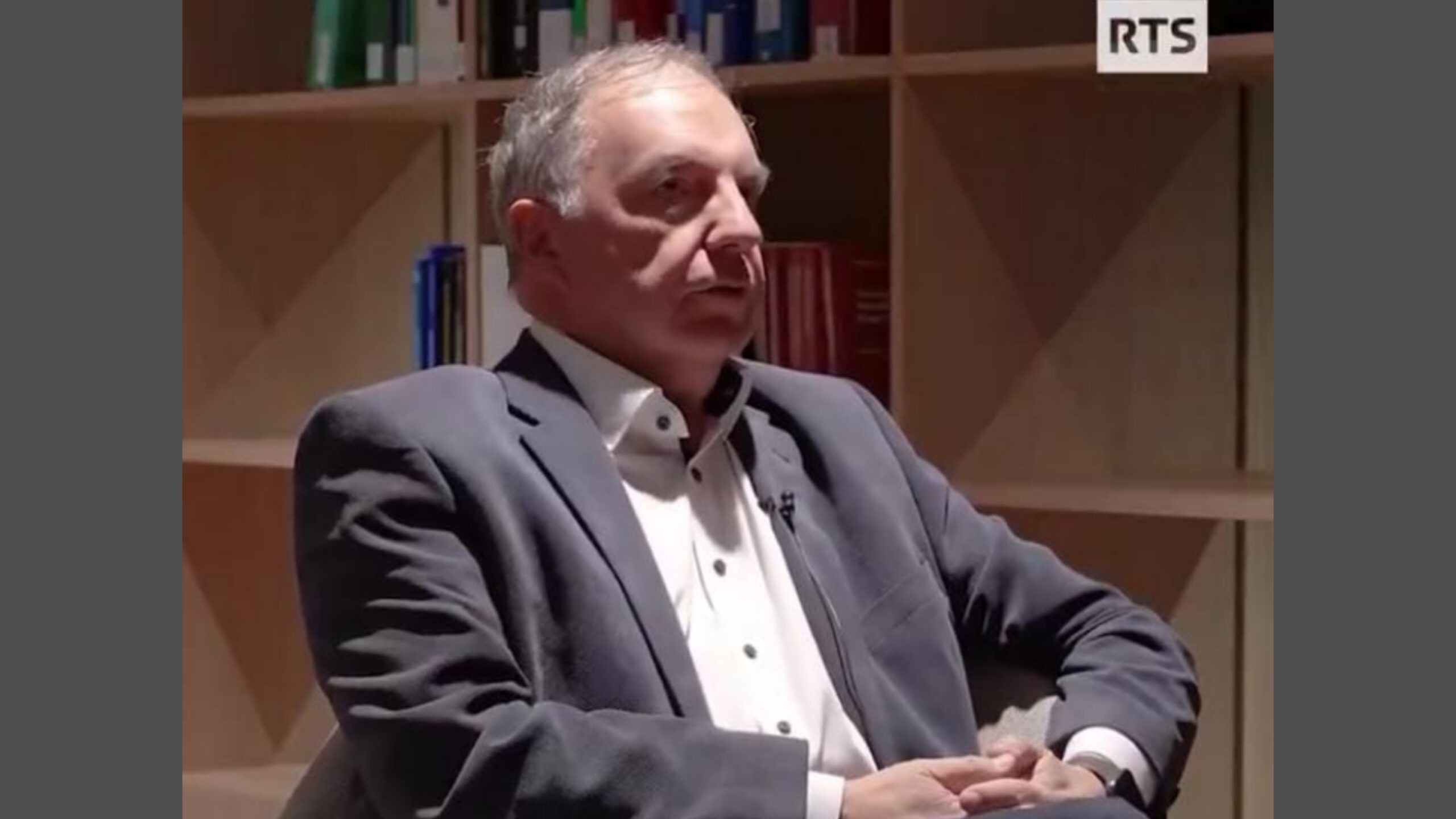
Me Zen-Ruffinen: CAF Appeal Jury Experience Criticized in Senegal Title Ruling
Summary
- The Tribunal Arbitral du Sport (TAS) upheld Senegal's claim to the African champion title.
- Me Michel Zen-Ruffinen criticized the CAF appeal jury for lacking necessary experience and facing potential political pressure.
- Procedural irregularities included the dismissal of Yassin Osman Robleh and the participation of Moez Nasri on the appeal jury.
- CAF President Patrice Motsepe publicly acknowledged a flaw in the appeal procedure.
- Zen-Ruffinen believes Senegal deserved the title and is pessimistic about a Moroccan appeal to the Swiss Federal Tribunal due to its limited scope.
The Controversial Appeal Process
These identified issues collectively underscore the systemic vulnerabilities within the CAF's internal dispute resolution mechanisms.
The Tribunal Arbitral du Sport (TAS) recently affirmed Senegal's claim to the African champion title, a decision that followed significant controversy surrounding the Confederation of African Football's (CAF) internal appeal process. Me Michel Zen-Ruffinen, a prominent legal figure, contended that the CAF appeal jury lacked the requisite experience to properly adjudicate the complex matter. Questions regarding the procedural integrity of the appeal had already surfaced in March 2026, well before the TAS ruling.
A critical event preceding the jury's assembly was the dismissal of Yassin Osman Robleh, CAF's director of independent bodies, by then-Secretary General Véron Mosengo-Omba. This dismissal occurred just two weeks before the appeal jury convened, with no official reason provided and no replacement appointed for Robleh, who had served for over five years and was tasked with upholding the independence of commissions and ensuring regulatory compliance. Journalist Romain Molina, in EMedia, suggested that these circumstances created an environment ripe for the manipulation of the appeal jury, further highlighting the concerns about the fairness of the process.
Identified Procedural Flaws
The composition of the CAF appeal body itself became a focal point of criticism. On March 30, 2026, CAF President Patrice Motsepe publicly acknowledged a significant flaw within the procedure, specifically highlighting the involvement of Moez Nasri, who serves as the president of the Tunisian Football Federation, on the appeal jury. Me Zen-Ruffinen further elaborated on the challenges faced by such bodies in Africa, suggesting that members can be subjected to external pressures, implying that the initial decision might have been influenced more by political considerations than by a rigorous analysis of sporting facts.
Beyond the jury's makeup and potential external influences, the very legal framework applied to the match was debated. Malang Diédhiou, an international referee and then president of Senegal's Central Referees Commission, expressed surprise in March 2026 that the CAF's decision relied exclusively on articles 82, 83, and 84 of its regulations, questioning the comprehensiveness of the legal basis. These identified issues collectively underscore the systemic vulnerabilities within the CAF's internal dispute resolution mechanisms.
The Match and Future Legal Avenues
Me Zen-Ruffinen firmly believes that Senegal's championship title is well-deserved. He recounted his observations from the match, noting that the referee had allowed play to resume after the Senegalese players returned to the pitch and that not all "Lions" had actually left the field. From his perspective as an attendee, he found no justifiable grounds for the penalty awarded to Morocco, speculating that the referee's decision to consult VAR might have been swayed by prevailing pressures.
Regarding potential further legal action, Me Zen-Ruffinen expressed pessimism about the prospects of a Moroccan appeal following the Tribunal Arbitral du Sport (TAS) verdict. He clarified that the Swiss Federal Tribunal, the next potential appellate body, does not delve into the substantive merits of a case but rather restricts its review to procedural irregularities. While acknowledging rumors of contact between a TAS member and a representative of the Senegalese Federation prior to the decision, the former FIFA Secretary General stated he could not confirm these claims. This emphasizes the finality and procedural focus of higher-level sports arbitration.
Practical Implications
Lawyers advising sports federations or athletes should note the critical importance of ensuring the independence, experience, and proper composition of internal appeal bodies, as procedural irregularities can lead to successful challenges at the Tribunal Arbitral du Sport (TAS), potentially overturning decisions and impacting client interests.
Source
Source: Based on original reporting.
How does this affect you?
Get an AI analysis of this article grounded in your jurisdictions, practice areas, and any policy documents you've uploaded to Wansom.
Finish Reading the Full Story and the Expert Analysis.
Get the latest legal & regulatory intelligence in Senegal
Wansom is AI and can make mistakes.