
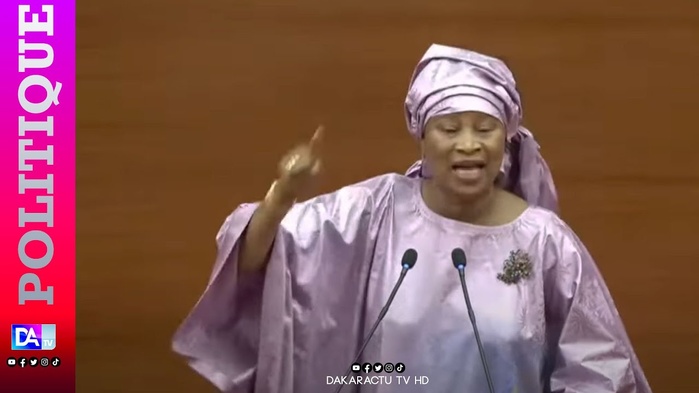
Me Aïssata Tall Sall Criticizes Majority's Arguments on Rectified Finance Bill Rejection
Me Aïssata Tall Sall, president of the Takku Wallu Sénégal parliamentary group in Senegal, publicly criticized the parliamentary majority's arguments regarding the rejected Rectified Finance Law (LFR) as "far-fetched" and denounced the conditions of the debate in the National Assembly. She specifically accused the Pastef party of avoiding debate and alleged that the Speaker of the Assembly used an article of the internal regulations to prevent her group from speaking, further announcing plans for a public protest against these actions.
This development signifies a significant procedural and political dispute within the Senegalese legislative body, highlighting deep tensions between the ruling coalition and the opposition concerning the national budget process and the application of parliamentary rules. For legal practitioners, it underscores the potential for challenges to legislative processes and the interpretation of internal parliamentary regulations, which could have broader implications for governance, policy implementation, and the stability of the legislative agenda. The public nature of her criticism and the planned protest indicate a sustained political confrontation.
The core legal context for this dispute revolves around the Senegalese Constitution, particularly provisions governing the legislative process, the National Assembly's internal regulations (Règlement Intérieur de l'Assemblée Nationale), and the Law on Rectified Finance (Loi de Finances Rectificative - LFR), which is a critical instrument for adjusting the national budget. The disagreement over the application of internal regulations touches upon fundamental principles of parliamentary privilege, freedom of speech for deputies, and the scope of the Speaker's authority. The involvement of political entities like Pastef and Takku Wallu Sénégal underscores the partisan nature of the conflict.
Key parties involved include Me Aïssata Tall Sall, representing the Takku Wallu Sénégal parliamentary group, the parliamentary majority (implied to be led by Pastef), and the Speaker of the National Assembly, whose actions regarding parliamentary procedure are under scrutiny. The National Assembly itself is the arena where these procedural and political battles are unfolding, impacting the legislative agenda and the country's financial management.
Attorneys should closely monitor the ongoing political and parliamentary developments surrounding the LFR and any subsequent interpretations or challenges to the National Assembly's internal regulations. This situation could lead to further procedural disputes, constitutional questions regarding legislative powers, or even delays in critical budget adjustments. Businesses should be aware of the potential for legislative gridlock or uncertainty in economic policy, which could impact their operations and financial planning. The announced "sortie publique" suggests continued public and political pressure, which may influence future legislative outcomes.
How does this affect you?
Get an AI analysis of this article grounded in your jurisdictions, practice areas, and any policy documents you've uploaded to Wansom.
Wansom is AI and can make mistakes.