
US: Diesel Export Ban Threat Returns Amid Record Prices
Summary
- The Dow Jones Industrial Average gained 146 points, avoiding a fourth consecutive weekly decline, despite rising oil prices and bond yields.
- Diesel prices reached a new record high of $6.52 per gallon, prompting renewed discussion of a US diesel export ban, which experts warn could be counterproductive.
- Bond yields surpassed 5% to settle at 5.1%, contributing to softened real estate sales and concerns about future mortgage rate increases.
- Consumer sentiment declined to a four-month low, nearly 13% below last year, driven by worries over fuel prices and trade disputes.
Market Performance Amidst Rising Pressures
The prospect of a US diesel export ban, initially floated by the Trump administration, sent considerable ripples through the energy-trading sector, highlighting the sensitivity of global supply chains to domestic policy considerations.
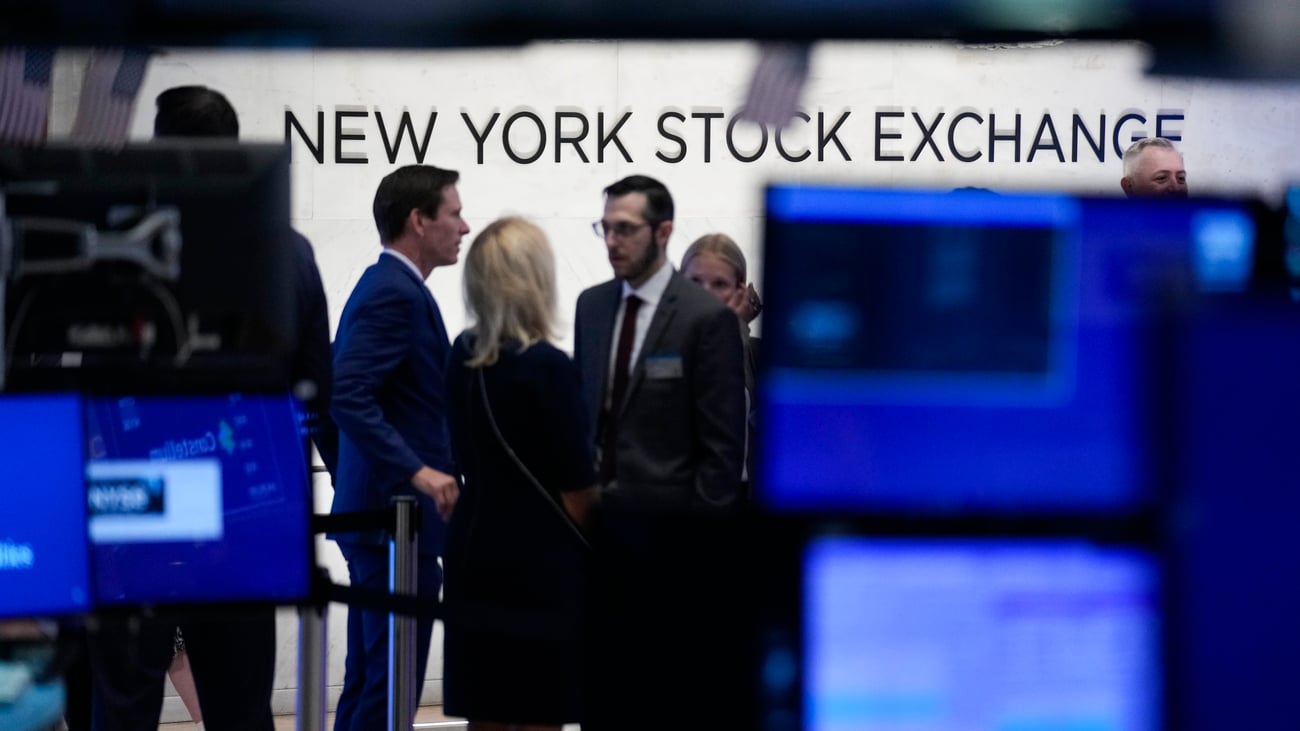
Despite ongoing increases in oil prices and bond yields, Wall Street concluded the week on a positive note. The Dow Jones Industrial Average registered a gain of 146 points by Friday's close, successfully averting a fourth consecutive weekly decline. Similarly, the S&P 500 advanced by 93 points, and the Nasdaq Composite saw a significant increase of 546 points. This resilience in the stock market occurred even as broader economic indicators signaled potential challenges.
The energy sector experienced its own volatility, with crude oil prices generally trending upwards throughout the week. However, a late-week dip occurred amidst unconfirmed reports of a potential ceasefire and the reopening of the Strait of Hormuz, which temporarily eased some market concerns. By the end of the trading period, Brent crude barrels were trading at approximately $104. This fluctuating environment was further complicated by unprecedented domestic diesel prices.
A new record high for diesel was established earlier in the week, reaching $6.52 per gallon. This surge in fuel costs immediately preceded a significant regulatory discussion. The prospect of a US diesel export ban, initially floated by the Trump administration, sent considerable ripples through the energy-trading sector, highlighting the sensitivity of global supply chains to domestic policy considerations.
The US Diesel Export Ban Threat
The unprecedented spike in domestic diesel prices, which hit a new record of $6.52 per gallon earlier in the week, has brought the potential for a US diesel export ban into sharp focus. This measure, previously considered by the Trump administration, has resurfaced as a topic of concern, immediately generating significant unease within the energy-trading community. The idea behind such a ban would presumably be to alleviate domestic price pressures by retaining more supply within the United States.
However, analysts are largely in agreement that implementing a prohibition on diesel exports could have severe unintended consequences. David Oxley, the chief climate and commodities economist at Capital Economics, warned in an investor's note that such a move by the U.S. would intensify existing severe strains in the global diesel market. He projected that this would inevitably drive prices outside the U.S. even higher in the short term, creating a ripple effect across international economies reliant on American fuel exports.
Oxley further elaborated on the paradoxical nature of a ban, suggesting it could ultimately be self-defeating. He explained that if a surplus of diesel were to accumulate domestically due to export restrictions, American refiners might be compelled to reduce their overall production of oil products, potentially within a matter of weeks. This reduction in refining activity would then counteract the initial goal of increasing domestic supply, potentially leading to broader market inefficiencies and even higher prices in the long run. Bernard Yaros, lead U.S. economist at Oxford Economics, also noted that the surge in diesel prices represents the primary upside risk to the inflation outlook, adding that a diesel ban could exert upward pressure on gasoline prices.
Broader Economic Headwinds
Beyond the immediate concerns surrounding the US diesel export ban threat, several other economic factors are contributing to a challenging outlook. Bond yields, for instance, continued their upward trajectory, once again surpassing the 5% threshold to settle around 5.1% by the close of the week. This persistent rise in borrowing costs has had a noticeable impact on the real estate sector, contributing to a softening of sales activity.
Despite the broader slowdown, new home sales for August provided a mixed picture, exceeding expectations with 684,000 units sold, marking a 6.4% increase over July. However, this figure still represented a 2% decline compared to August 2025, when nearly 700,000 homes were sold. Bill Owens, chairman of the National Association of Home Builders, noted that overall sales remain down both year-over-year and year-to-date, with builders increasingly relying on incentives and pricing adjustments to attract buyers, leveraging the limited inventory of existing homes to sustain the new-home market.
Mortgage rates also remain elevated, currently higher than at any other point this year, although they have receded from the 8% peak observed in October 2023. Jeffrey Roach, chief economist at LPL Financial, indicated that further increases in mortgage rates would not be surprising, given the ongoing pressures within Treasury markets. These combined factors underscore a complex economic environment where rising costs are impacting both consumer purchasing power and industry operations.
Impact on Consumer Sentiment
The cumulative effect of rising bond yields, escalating oil prices, and broader economic uncertainties has notably dampened consumer sentiment. The University of Michigan's monthly survey revealed a slight drop in sentiment this month, with both the "current conditions" and "consumer expectations" indices also declining. This places the survey at its lowest point in four months and nearly 13% below its level a year ago, indicating a growing pessimism among the populace.
Joanne Hsu, the director of the survey, highlighted that "short-run expected business conditions plunged," attributing this downturn to renewed anxieties. These worries stem from the potential for elevated fuel prices and re-escalating trade disputes to negatively impact the economy as a whole. Hsu further emphasized that this diminishing view of the U.S. economy is a widespread phenomenon, observed consistently across all demographic and political groups, signaling a broad-based concern about future economic stability.
Source
How does this affect you?
Get an AI analysis of this article grounded in your jurisdictions, practice areas, and any policy documents you've uploaded to Wansom.
Finish Reading the Full Story and the Expert Analysis.
Get the latest legal & regulatory intelligence in United States
Wansom is AI and can make mistakes.