
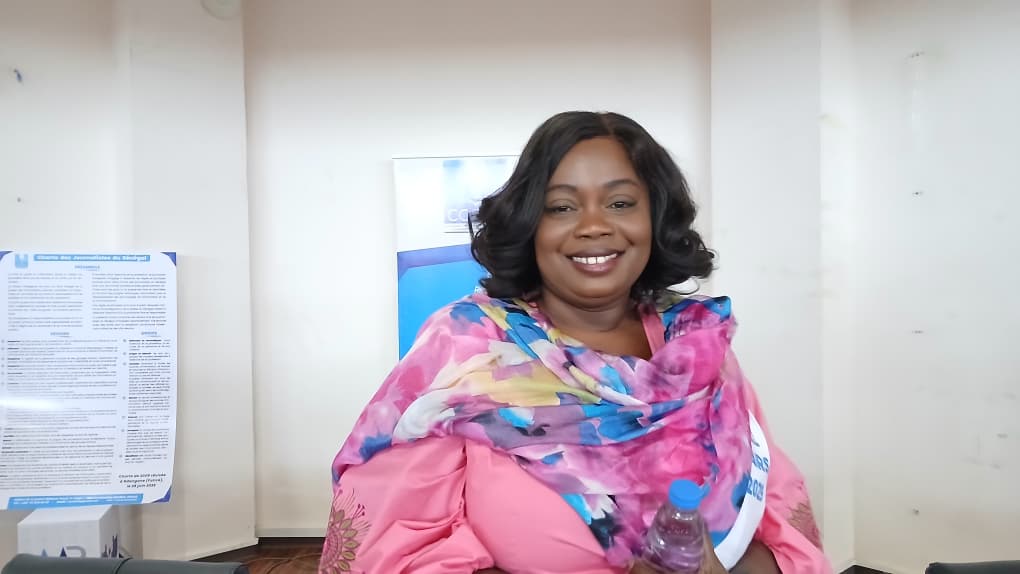
Marie Odile Thiakane CORED Speech Sénégal: Justice Official Slams Journalists
Summary
- The Tribunal des Pairs, the disciplinary and self-regulatory body of CORED, was officially installed in Senegal.
- Marie Odile Thiakane, Director of Civil Affairs and the Seal at the Ministry of Justice, attended the installation ceremony.
- During her spontaneous speech, Thiakane made a memorable comment about journalists being "ready to badmouth magistrates."
- CORED, the Conseil pour l'Observation des Règles d'Éthique et de Déontologie dans les médias, is responsible for monitoring media ethics in Senegal.
- Thiakane's remarks highlight judicial concerns regarding media portrayal of magistrates, indicating potential for increased scrutiny on media ethics related to legal reporting.
What Happened
Her direct challenge regarding the media's propensity to criticize judicial figures highlights a deep-seated concern within the legal community about the fairness and accuracy of reporting on judicial matters.
The official launch of the Tribunal des Pairs, the disciplinary and self-regulatory arm of the Conseil pour l'Observation des Règles d'Éthique et de Déontologie dans les médias (CORED), recently took place in Senegal. This significant event brought together key figures from the legal and media sectors, marking a pivotal moment for media accountability within the nation. The installation ceremony underscored the ongoing efforts to foster responsible journalism and uphold ethical standards across Senegalese media outlets.
During the proceedings, Marie Odile Thiakane, who serves as the Director of Civil Affairs and the Seal at the Ministry of Justice, delivered a notable address. Her remarks, characterized as both spontaneous and impactful, captured significant attention from those present. The senior justice official's intervention provided a direct insight into the judiciary's perspective on media conduct, particularly concerning its portrayal of legal professionals.
Thiakane's speech included a memorable and pointed comment directed at journalists, where she remarked on their readiness "to badmouth magistrates." This specific phrase, delivered during the Marie Odile Thiakane CORED speech Sénégal event, highlighted a perceived tension or concern from the judicial branch regarding how members of the magistracy are represented in the press. Her statement served as a striking moment in the ceremony, emphasizing the delicate balance between press freedom and the integrity of judicial institutions.
Regulatory Context
The Tribunal des Pairs installation Sénégal represents a crucial development in the landscape of media self-regulation. This body functions as the primary disciplinary mechanism under the broader umbrella of CORED, an organization dedicated to monitoring and enforcing ethical and deontological rules within the media sector. CORED's mandate is to ensure that journalistic practices adhere to established professional standards, thereby promoting public trust and media credibility.
The establishment of such a self-regulatory entity underscores a commitment within the Senegalese media industry to address ethical breaches internally, rather than relying solely on external governmental oversight. By empowering a "Tribunal of Peers," the system aims to foster a culture of accountability among journalists and media organizations. This structure is designed to handle complaints and impose sanctions, reinforcing the importance of éthique médias Sénégal.
This framework is particularly relevant in a context where the relationship between various societal pillars, including the judiciary and the press, is under constant scrutiny. The Conseil pour l'Observation des Règles d'Éthique et de Déontologie dans les médias plays a vital role in mediating these interactions by providing a clear set of guidelines and a mechanism for redress when those guidelines are not met. The presence of a high-ranking justice official like Marie Odile Thiakane at its installation further signals the judiciary's interest in the effective functioning of this regulatory body.
Significance for Judiciary-Media Relations
The remarks made by Marie Odile Thiakane, the Directrice des Affaires civiles et du Sceau au Ministère de la Justice, during the Tribunal des Pairs installation, carry significant weight for the ongoing dialogue between magistrates and journalists in Senegal. Her direct challenge regarding the media's propensity to criticize judicial figures highlights a deep-seated concern within the legal community about the fairness and accuracy of reporting on judicial matters. This public expression from a senior official suggests that the judiciary is actively observing and reacting to media portrayals.
This incident underscores the critical need for robust ethical standards in reporting, especially when it involves sensitive institutions like the judiciary. The phrase used by Thiakane, "Prêts à casser du sucre sur le dos des magistrats," encapsulates a sentiment of vulnerability or frustration among judges who may feel unfairly targeted or misrepresented by certain media narratives. Such a statement, delivered at an event focused on media ethics, serves as a clear indicator of the judiciary's expectations from the press.
Ultimately, the Marie Odile Thiakane CORED speech Sénégal event and her specific comments could influence future interactions and perceptions between the two professions. It emphasizes that while media freedom is paramount, it is also accompanied by a responsibility to uphold ethical reporting standards, particularly concerning public officials and institutions. The installation of the Tribunal des Pairs, coupled with such pointed remarks, signals a period of heightened attention to the conduct of magistrats journalistes Sénégal.
Practical Implications
Lawyers advising media clients in Senegal should note the judiciary's expressed concerns regarding media portrayal of magistrates, as articulated by a senior justice official during the launch of the CORED's disciplinary body. This indicates a potential for increased scrutiny on media ethics related to legal reporting and could influence future regulatory or litigation strategies.
Source
How does this affect you?
Get an AI analysis of this article grounded in your jurisdictions, practice areas, and any policy documents you've uploaded to Wansom.
Finish Reading the Full Story and the Expert Analysis.
Get the latest legal & regulatory intelligence in Senegal
Wansom is AI and can make mistakes.