
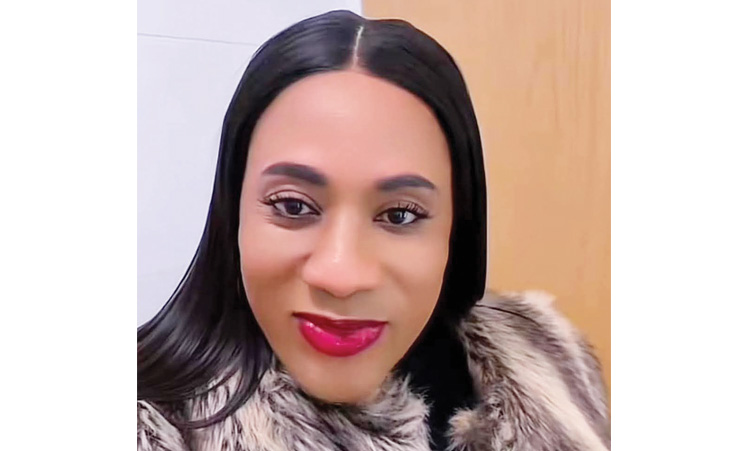
Maria Del Rosario: Calls For Namibia Queer Institutional Protection
Summary
- Maria Del Rosario, formerly the first Mr. Gay Namibia, is advocating for enhanced safety for queer individuals in the country.
- Writing from abroad, she emphasizes the need for institutional protection for the Namibian queer community.
- Her lifelong dedication to visibility and breakthrough for the community underpins her current appeal.
Advocacy for Queer Rights in Namibia
Her unique history as a pioneering public figure within the LGBTQ+ landscape lends considerable weight to her current advocacy, which seeks to elevate the visibility and secure the breakthrough of this community.
Maria Del Rosario, known previously as Wendelinus and recognized as the inaugural Mr. Gay Namibia, has issued a significant call for enhanced safety and institutional protection for queer individuals within the nation. Currently residing abroad, Del Rosario's communication takes the form of a heartfelt letter, underscoring her ongoing commitment to the advancement of the queer community in Namibia. Her unique history as a pioneering public figure within the LGBTQ+ landscape lends considerable weight to her current advocacy, which seeks to elevate the visibility and secure the breakthrough of this community. This dedication, spanning many years, reflects a deep-seated belief in the necessity of a society where all individuals, regardless of sexual orientation or gender identity, can live openly and without fear.
Her current appeal, articulated from a distance, serves as a powerful reminder of the persistent challenges faced by the community she champions. The plea for Namibia queer institutional protection highlights a perceived gap in formal safeguards, suggesting that existing frameworks may not adequately shield LGBTQ+ individuals from harm or discrimination. This call is not merely for tolerance, but for concrete, systemic measures that embed protection within the very fabric of Namibian institutions.
A Personal Plea for Enhanced Safety
The core of Maria Del Rosario's message is a profound "cry for safety," emanating from her personal experiences and her deep understanding of the challenges confronting queer individuals in Namibia. Her past role as the first Mr. Gay Namibia placed her directly in the public eye, making her a symbol of both progress and vulnerability within the community. This lived experience, coupled with her long-standing dedication, informs her urgent call for Namibia LGBTQ+ legal safety, advocating for robust mechanisms that can genuinely protect individuals from prejudice, violence, and marginalization.
Her letter, penned from abroad, is not merely an observation but a direct intervention, leveraging her historical prominence to draw attention to critical human rights issues. The emphasis on "institutional protection" suggests a need for systemic changes, moving beyond individual acts of support to embedding safeguards within the very structures of society, including legal, educational, and governmental bodies. This perspective is crucial for understanding the depth of the reforms being sought, aiming for a comprehensive environment where queer Namibians can thrive securely and without constant threat.
The Broader Call for Institutional Change
Maria Del Rosario's advocacy transcends a personal appeal, evolving into a broader demand for fundamental shifts in how Queer Namibians human rights are recognized and upheld. Her letter implicitly calls for a re-evaluation of existing Namibia anti-discrimination laws and the potential for new legislative efforts to ensure equitable treatment and protection for all. The concept of "institutional protection" directly points to the necessity of formal legal and governmental frameworks that actively prevent discrimination and ensure safety, rather than relying on informal or ad-hoc measures.
This plea, coming from a figure with such a significant history in the Namibian queer movement, signals a continued push for legal reform and greater accountability across public and private sectors. It underscores the ongoing struggle for full recognition under Namibia human rights law, urging authorities and society at large to address the systemic vulnerabilities faced by LGBTQ+ individuals. Her voice, though now from afar, remains a potent force in the ongoing dialogue about equality and safety for the queer community in Namibia, advocating for a future where institutional structures actively safeguard their well-being.
Practical Implications
This article signals an active and growing advocacy for enhanced institutional protection and safety for queer individuals in Namibia. Lawyers and compliance officers should monitor this space for potential legal challenges to existing frameworks, legislative reform efforts, or increased scrutiny on corporate and public sector policies concerning discrimination and human rights for LGBTQ+ persons in the jurisdiction.
Source
How does this affect you?
Get an AI analysis of this article grounded in your jurisdictions, practice areas, and any policy documents you've uploaded to Wansom.
Finish Reading the Full Story and the Expert Analysis.
Wansom is AI and can make mistakes.