
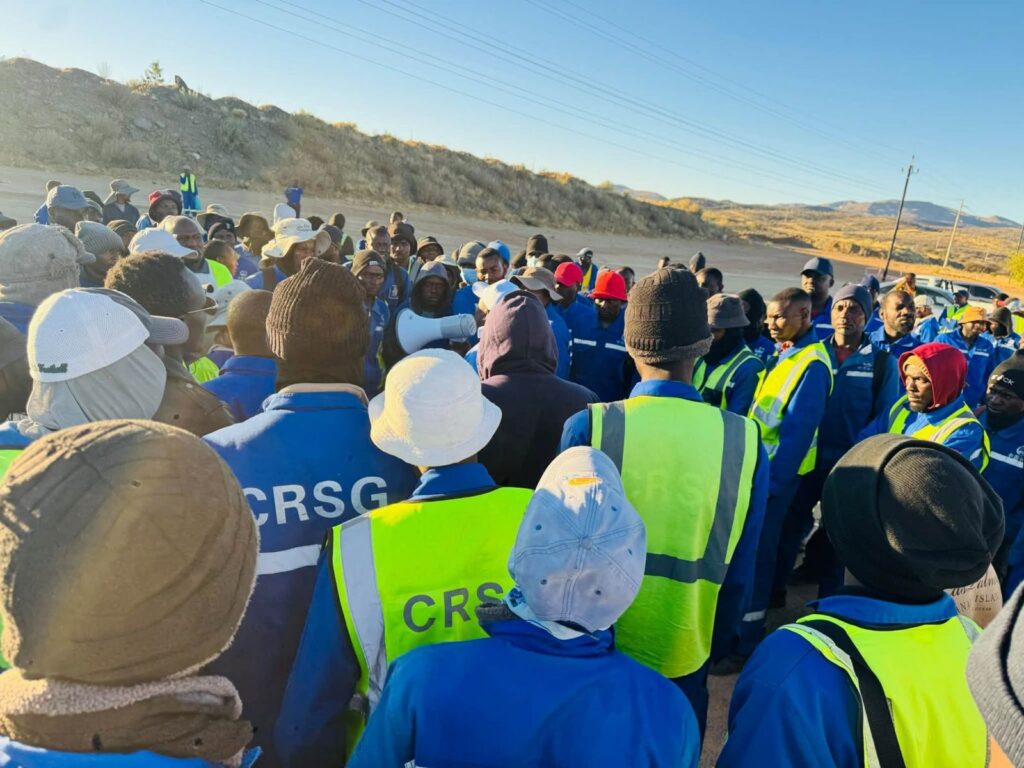
Manwu: Namibia Workplace Negligence Deaths Demand Urgent Action
Summary
- The Metal and Allied Namibian Workers Union (Manwu) has publicly raised concerns about a series of workplace deaths in Namibia.
- Manwu reported that four workers died in less than 40 days, prompting questions about workplace negligence.
- The union's statement calls for urgent action to confront inadequate occupational health and safety standards.
- Employers in Namibia are expected to face increased scrutiny regarding their adherence to labour law compliance and safety protocols.
Manwu Sounds Alarm Over Workplace Fatalities
The union's leadership articulated its profound concern by posing a critical question to the nation: "How many workers have to die before workplace negligence is confronted?"
The Metal and Allied Namibian Workers Union (Manwu) has issued a stark warning regarding a disturbing trend of workplace fatalities across Namibia, prompting serious questions about occupational health and safety standards in the country. The union's public statement, delivered on a recent Wednesday, highlighted a particularly alarming statistic: four workers have tragically lost their lives in industrial incidents over a period spanning less than 40 days. This rapid succession of deaths has ignited a passionate outcry from Manwu, which is now demanding immediate and decisive action to address what it describes as pervasive workplace negligence.
The union's leadership articulated its profound concern by posing a critical question to the nation: "How many workers have to die before workplace negligence is confronted?" This rhetorical query underscores the urgency and gravity of the situation, suggesting that current measures to protect employees are insufficient. The recent Manwu Namibia workplace negligence deaths have brought the issue of worker safety to the forefront of national discourse, challenging employers and regulatory bodies alike to re-evaluate their commitments to safeguarding human life in industrial settings.
Escalating Concerns Over Occupational Safety
The recent spate of Namibia occupational fatalities, as reported by Manwu, paints a grim picture of the challenges facing the nation's workforce. The union's intervention serves as a critical alarm bell, drawing attention to systemic issues that may contribute to preventable deaths and injuries in various sectors. Such a concentrated number of incidents within a short timeframe suggests that individual accidents might be symptomatic of broader failures in implementing and enforcing robust workplace health and safety Namibia protocols.
Manwu's public declaration effectively acts as a Manwu worker deaths report, albeit one delivered with profound emotional weight and a call for accountability. The union's emphasis on "workplace negligence" points to a belief that these deaths are not merely unfortunate accidents but rather the foreseeable consequences of inadequate safety measures, insufficient training, or a disregard for established safety regulations. This perspective frames the issue not just as a humanitarian crisis but also as a failure of corporate and regulatory responsibility, demanding a thorough examination of existing practices and their effectiveness.
Legal and Regulatory Implications for Employers
The strong stance taken by the Metal and Allied Namibian Workers Union is expected to significantly heighten scrutiny on labour law compliance Namibia, particularly concerning occupational health and safety. Employers across the country should anticipate increased attention from regulatory bodies and a potential surge in enforcement actions aimed at ensuring adherence to statutory safety requirements. The union's public questioning of negligence directly implicates employers who may not be meeting their legal obligations to provide a safe working environment.
Legal counsel advising businesses in Namibia must now prioritize a comprehensive review of their clients' occupational health and safety (OHS) protocols. The current climate, marked by Manwu's vocal concerns over Namibian workplace negligence, necessitates a proactive approach to mitigate potential liability and avoid severe penalties. Strengthening OHS frameworks, conducting regular risk assessments, and ensuring rigorous employee training are no longer merely best practices but essential steps to demonstrate due diligence and prevent further tragic incidents, thereby safeguarding both lives and corporate reputations.
A Call for Renewed Commitment to Worker Protection
The poignant question posed by Manwu—"How many more lives should we still lose?"—resonates as a powerful demand for immediate and sustained action from all stakeholders. It underscores the human cost of inadequate safety measures and challenges the prevailing attitudes towards worker protection. The union's advocacy highlights the critical role that organized labour plays in holding industries accountable and advocating for the fundamental right of every worker to return home safely at the end of their shift.
This period of heightened awareness following the Manwu Namibia workplace negligence deaths presents a crucial opportunity for a collective re-commitment to improving workplace safety standards nationwide. Beyond mere compliance, there is an ethical imperative for employers to foster a culture where safety is paramount, proactively identifying and mitigating hazards before they lead to further fatalities. The union's alarm serves as a stark reminder that vigilance and continuous improvement in occupational safety are non-negotiable requirements for a responsible and sustainable industrial landscape in Namibia.
Practical Implications
Employers in Namibia should anticipate increased scrutiny and potential enforcement actions regarding occupational health and safety compliance following Manwu's public alarm over workplace deaths. Legal counsel should advise clients to review and strengthen their OHS protocols to mitigate liability and ensure adherence to labour laws.
Source
How does this affect you?
Get an AI analysis of this article grounded in your jurisdictions, practice areas, and any policy documents you've uploaded to Wansom.
Finish Reading the Full Story and the Expert Analysis.
Get the latest legal & regulatory intelligence in Namibia
Wansom is AI and can make mistakes.