
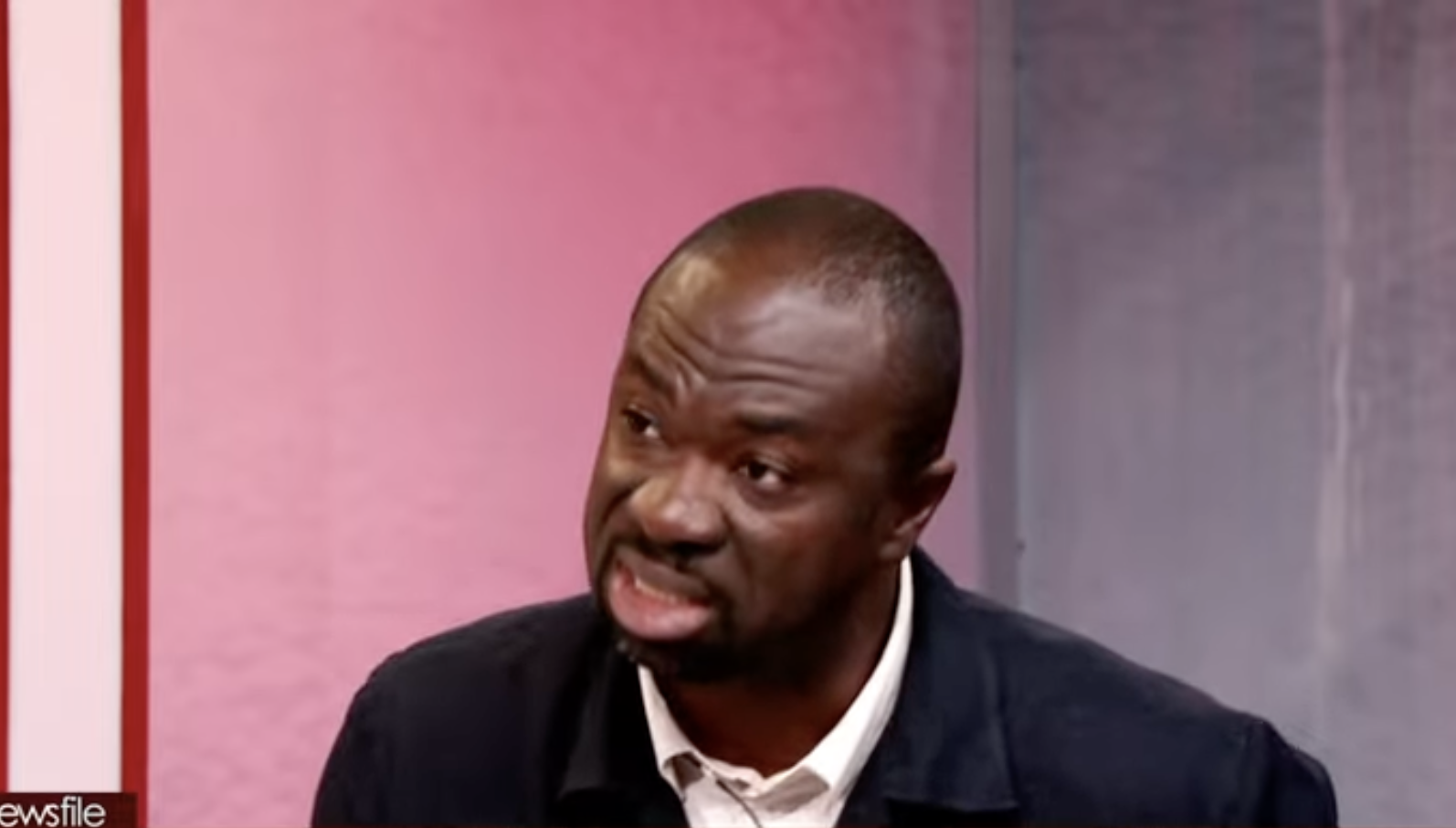
Manhyia South MP Urges AG: Introduce Legislative Guideline for Bail
Summary
- Manhyia South MP Nana Agyei Baffour Awuah urged the Attorney General to establish clear legislative guidelines for bail.
- He argued that the current lack of specific rules for administrative bail leads to abuse of power and hardship for individuals and businesses.
- The MP's call follows a recent Attorney General's directive mandating law enforcement agencies to protect suspects' rights, including the 48-hour detention limit.
- This directive covers agencies like the Ghana Police Service, EOCO, NIB, and NACOC, requiring them to inform suspects of their rights and prohibit unlawful practices.
- Mr. Awuah plans to use his parliamentary roles to ensure greater oversight and scrutiny of these institutions' compliance and operations.
Call for Legislative Action on Bail
The legislator emphasized that the absence of explicit guidelines for the administrative handling of bail has fostered an environment ripe for the abuse of power, leading to undue suffering for individuals, business owners, and others navigating the criminal justice system.
The Member of Parliament for Manhyia South, Nana Agyei Baffour Awuah, has called upon the Attorney General to move beyond mere directives and introduce explicit legislative guidelines governing the discretionary power exercised in granting bail. Speaking on JoyNews' Newsfile on Saturday, November 21, the legislator, who serves as Vice Chair of Parliament's Subsidiary Legislation Committee and a member of the Constitutional and Legal Affairs Committee, articulated the necessity for a legislative instrument to establish clear procedures for the application of bail powers.
The legislator emphasized that the absence of explicit guidelines for the administrative handling of bail has fostered an environment ripe for the abuse of power, leading to undue suffering for individuals, business owners, and others navigating the criminal justice system. He specifically urged the Attorney General to explore the introduction of a legislative instrument to Parliament, which would delineate precise protocols for how bail powers are to be administratively exercised, citing the current infliction of pain on citizens.
Attorney General's Recent Mandate
Mr. Awuah's appeal comes in the wake of a recent directive issued by the Attorney General. This directive mandates various law enforcement and investigative agencies, including the Ghana Police Service, the Economic and Organised Crime Office (EOCO), the National Intelligence Bureau (NIB), and the Narcotics Control Commission (NACOC), to adhere to the constitutionally mandated 48-hour detention period and other fundamental safeguards designed to protect individuals under arrest.
The Attorney General's directive imposes several critical requirements: arrested persons must be apprised of the grounds for their detention and their entitlement to legal counsel. It explicitly forbids the utilization of arrest and detention as a means to settle civil financial obligations. Furthermore, the directive insists upon upholding a suspect's right to remain silent and ensuring that any confessions are made without compulsion, while also outlawing unauthorized searches, torture, and any form of coercion. To ensure compliance, the affected agencies are required to furnish quarterly reports to the Attorney General, itemizing arrests, releases, court proceedings, and any purported infringements of suspects' rights.
Addressing Discretion and Oversight
While acknowledging the significance of the Attorney General's recent directive, Mr. Awuah contended that additional legal and systemic interventions are requisite to effectively regulate the application of discretionary authority, particularly concerning the granting of bail. Citing Article 29 of the nation's Constitution, he reiterated his call for the Attorney General to implement precise guidelines or a legislative instrument to govern the administrative application of bail powers.
The Manhyia South MP highlighted that the matter transcended political figures, asserting that commercial entities were also experiencing adverse effects due to the conduct of certain law enforcement personnel. He alleged that business people were subjected to targeting methods that jeopardized domestic enterprises, warning that the misuse of institutional authority could precipitate broader economic repercussions. To enhance scrutiny over the entities affected by the Attorney General's directive, Mr. Awuah delineated actions he plans to undertake via parliamentary channels, including posing inquiries during parliamentary sessions and leveraging his position on the Legal Affairs Committee to advocate for more rigorous examination. He further suggested that the committee's leadership contemplate arranging visits to some of these agencies to evaluate their operational procedures and confirm the tangible steps being taken to adhere to the Attorney General's directives.
Source
How does this affect you?
Get an AI analysis of this article grounded in your jurisdictions, practice areas, and any policy documents you've uploaded to Wansom.
Finish Reading the Full Story and the Expert Analysis.
Get the latest legal & regulatory intelligence in Ghana
Wansom is AI and can make mistakes.