
Dr Mamadou Ndiaye: Questions Bouillie Chaude Sachet Plastique Safety in Senegal
Summary
- FAO expert Dr. Mamadou Ndiaye has called for scientific evidence regarding the safety of serving hot porridge in plastic bags.
- He noted that plastic is likely not inert when in contact with heat, raising concerns about potential exchange between food and packaging.
- Beyond packaging, Dr. Ndiaye highlighted broader food safety risks in Dakar's street food sector, including bacterial contamination, poor water quality, and inadequate food protection.
- The expert also identified insufficient collaboration among authorities as a challenge to effective food safety management.
- To address these multifaceted challenges, Dr. Ndiaye advocated for an inter-ministerial council in Senegal to enhance the national health response.
Expert Calls for Scientific Scrutiny on Hot Food Packaging
The expert underscored that packaging designed for food must be inert, meaning no exchange should occur between the contents and the container, and suggested that plastic is not inherently inert when exposed to heat.
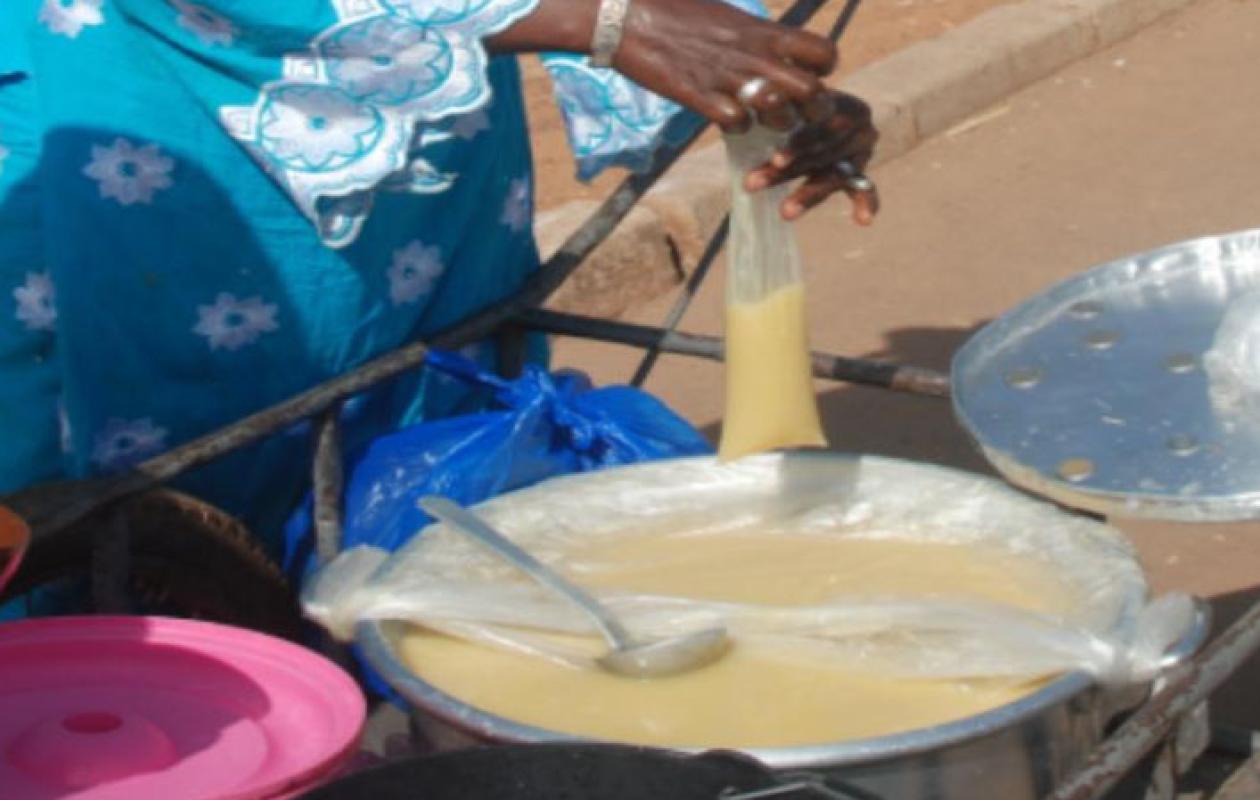
Dr. Mamadou Ndiaye, a distinguished FAO expert in food safety, has urged for robust scientific evidence concerning the widespread practice of serving `bouillie chaude sachet plastique` in Senegal. Speaking at a community forum in Dakar focused on `sécurité sanitaire aliments Sénégal`, Dr. Ndiaye cautioned against the direct pouring of very hot preparations into plastic bags before they are handed to consumers. This common method, prevalent in Dakar's street food culture, allows for accessible and quick meals, but the expert's remarks highlight potential `risques bouillie chaude sachet plastique`.
The expert underscored that packaging designed for food must be inert, meaning no exchange should occur between the contents and the container, and suggested that plastic is not inherently inert when exposed to heat. While Dr. Ndiaye did not assert that this packaging method systematically poses a health hazard, his intervention critically questions the suitability of plastic containers for hot food. He emphasized that definitive scientific data is crucial to fully understand the implications of this contact between hot porridge and plastic.
Broader Hygiene Concerns in Street Food Sector
Beyond the specific issue of plastic packaging, Dr. Mamadou Ndiaye also drew attention to a wider array of `hygiène restauration rue Dakar` challenges. During the 10th edition of the "Mercredis de l’AJSPD" held in Dakar on July 29, 2026, which brought together journalists and experts on street food safety, he detailed several bacterial risks inherent in street-vended foods. These include concerns over the poor quality of water used in preparation, the exposure of food items to adverse weather conditions and flies, and the inherent difficulties in effectively monitoring mobile vendors.
Furthermore, Dr. Ndiaye pointed to an observed lack of sufficient collaboration among various authorities as a significant impediment to strengthening the overall health response in the sector. These multifaceted issues underscore that the question of packaging, while important, is only one component of the broader `sécurité sanitaire aliments Sénégal` landscape, which encompasses preparation, handling, and distribution.
Proposed Inter-Ministerial Action for Food Safety Standards
To comprehensively address the identified food safety challenges, the `FAO expert Mamadou Ndiaye` has advocated for the convening of an inter-ministerial council in Senegal. This high-level body would be tasked with formulating a more robust and coordinated national health response, tackling issues ranging from packaging practices to preparation hygiene and the oversight of vendors. The call for such a council signals a potential tightening of `normes emballage alimentaire Sénégal` and broader food safety regulations.
Dr. Ndiaye's insistence on scientific evidence to clarify the interaction between hot food and plastic packaging, alongside his broader recommendations, suggests a proactive approach to food safety. The scope of food safety, he noted, extends to all forms of packaging used for conservation, transport, and delivery to customers. This holistic view, coupled with the proposed inter-ministerial collaboration, indicates a significant push towards enhancing public health safeguards within the country's dynamic street food environment.
Practical Implications
Lawyers and compliance officers in Senegal's food sector, especially those dealing with street food or food packaging, should closely monitor scientific research and potential regulatory developments concerning the use of plastic packaging for hot foods. This expert's call for evidence and an interministerial council signals a potential tightening of food safety standards and increased scrutiny of hygiene practices, necessitating proactive risk assessment and compliance preparation.
Source
Source: Original reporting via Seneweb.
How does this affect you?
Get an AI analysis of this article grounded in your jurisdictions, practice areas, and any policy documents you've uploaded to Wansom.
Finish Reading the Full Story and the Expert Analysis.
Get the latest legal & regulatory intelligence in Senegal
Wansom is AI and can make mistakes.