
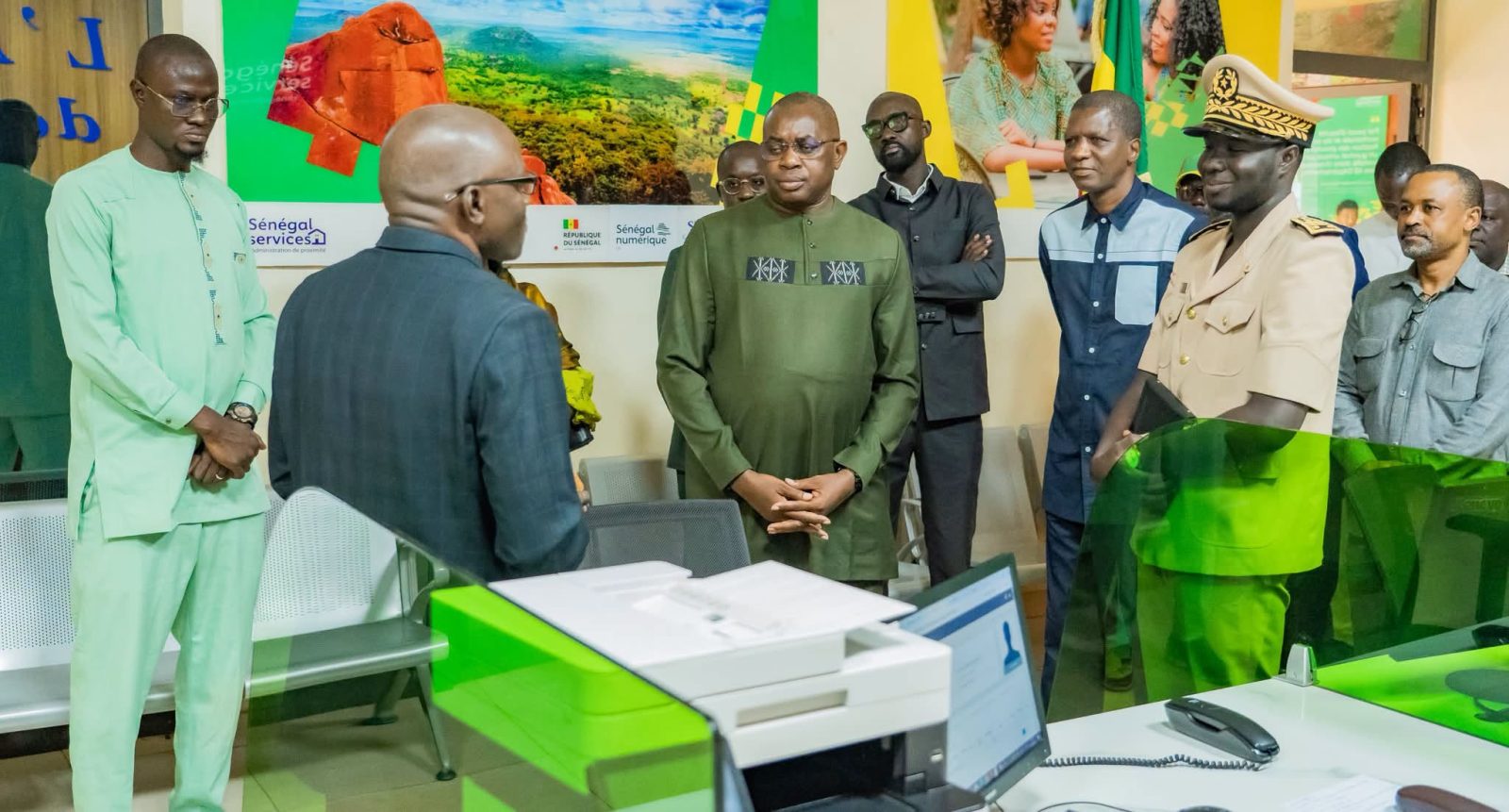
Mamadou Lamine Dianté: Kédougou Mining Social Dialogue Addresses Labor Issues
Summary
- Minister Mamadou Lamine Dianté visited Kédougou on September 14, 2026, to engage with worker and employer representatives on social dialogue.
- Discussions focused on labor conditions, safety, and freedom of association within the Kédougou mining sector.
- The visit is part of ongoing efforts to implement the Pacte national de stabilité sociale, which has faced criticism from the Front syndical pour la défense du travail (FSDT) led by Mody Guiro.
- Concerns from various sectors, including mining, were raised, with the Minister assuring their review by technical services.
- The Kédougou dialogue contributes to a national initiative, spearheaded by Ousmane Sonko, then Prime Minister, to consolidate social commitments and address field-level issues.
Ministerial Visit to Kédougou for Social Dialogue
A significant portion of the discussions with employers and local companies centered on fundamental labor rights and conditions, specifically addressing freedom of association (liberté syndicale mines Sénégal), safety protocols, and the overall conditions de travail secteur minier Kédougou.
On Monday, September 14, 2026, Mamadou Lamine Dianté, who serves as the Minister of Public Service, Labor, and Reform of Public Service, undertook a significant visit to Kédougou. His agenda included direct engagements with both worker and employer representatives, focusing on critical aspects of social dialogue, particularly within the region's prominent mining sector. This high-level interaction occurred amidst ongoing discussions and some friction surrounding the implementation of the Pacte national de stabilité sociale Sénégal, a key framework for industrial relations in the country.
During his visit, Minister Dianté's itinerary in Kédougou involved stops at the public service relay office and the regional labor and social security inspectorate. These engagements provided platforms for him to connect with local trade union organizations. These regional discussions were a continuation of broader national dialogues that the Minister had previously held with various stakeholders, including a notable meeting with the Front syndical pour la défense du travail (FSDT) leadership, headed by Mody Guiro, to assess the prevailing social climate. Earlier, on June 12, he had also met with Justice unions to discuss the reclassification of clerks.
Addressing Sector-Specific Concerns and Labor Standards
A central component of the Mamadou Lamine Dianté Kédougou mining social dialogue involved representatives from key economic sectors, including mining, health, agriculture, and livestock, who articulated their specific concerns and grievances. The Minister assured these groups that their issues would be thoroughly reviewed by the appropriate technical services, as reported by lesoleil. A significant portion of the discussions with employers and local companies centered on fundamental labor rights and conditions, specifically addressing freedom of association (liberté syndicale mines Sénégal), safety protocols, and the overall conditions de travail secteur minier Kédougou.
These exchanges led to the formulation of recommendations aimed at bolstering the protection of workers and safeguarding the tools of their trade. These proposals are intended to align with and further the objectives of the Pacte national de stabilité sociale. Furthermore, the dialogue with employers also encompassed discussions on company-specific agreements, highlighting the multifaceted approach to improving industrial relations at both macro and micro levels. The context of these discussions is particularly relevant given the FSDT's previous denunciation of the Pact's partial application and their past threat of a general strike, underscoring the persistent need for robust dialogue social Sénégal Kédougou.
National Framework and Future Commitments
The dialogue initiated in Kédougou is an integral part of a wider national effort to reinvigorate the framework of the Pacte national de stabilité sociale. This broader push for social cohesion was underscored by Ousmane Sonko, then Prime Minister, who convened a steering committee meeting for the Pact on March 17, 2026, at the Primature, with Olivier Boucal, then Minister, expected to attend. This demonstrates a concerted governmental focus on strengthening social commitments across the nation.
The ultimate aim of the ongoing dialogue, including the specific engagements in Kédougou, is to effectively address and resolve concrete difficulties that emerge from the ground level. By fostering continuous communication and collaboration, the government, employers, and trade unions are collectively striving to consolidate and uphold the social commitments outlined within the national pact, ensuring stability and progress in Senegal's labor landscape.
Practical Implications
Lawyers advising mining companies in Senegal should closely monitor the outcomes of this social dialogue, particularly regarding the implementation of the Pacte national de stabilité sociale, to ensure compliance with evolving labor standards and mitigate industrial relations risks. Compliance officers should review their company's policies on worker safety, union freedom, and collective bargaining agreements in light of these discussions.
Source
Source: Original reporting via lesoleil
How does this affect you?
Get an AI analysis of this article grounded in your jurisdictions, practice areas, and any policy documents you've uploaded to Wansom.
Finish Reading the Full Story and the Expert Analysis.
Get the latest legal & regulatory intelligence in Senegal
Wansom is AI and can make mistakes.