
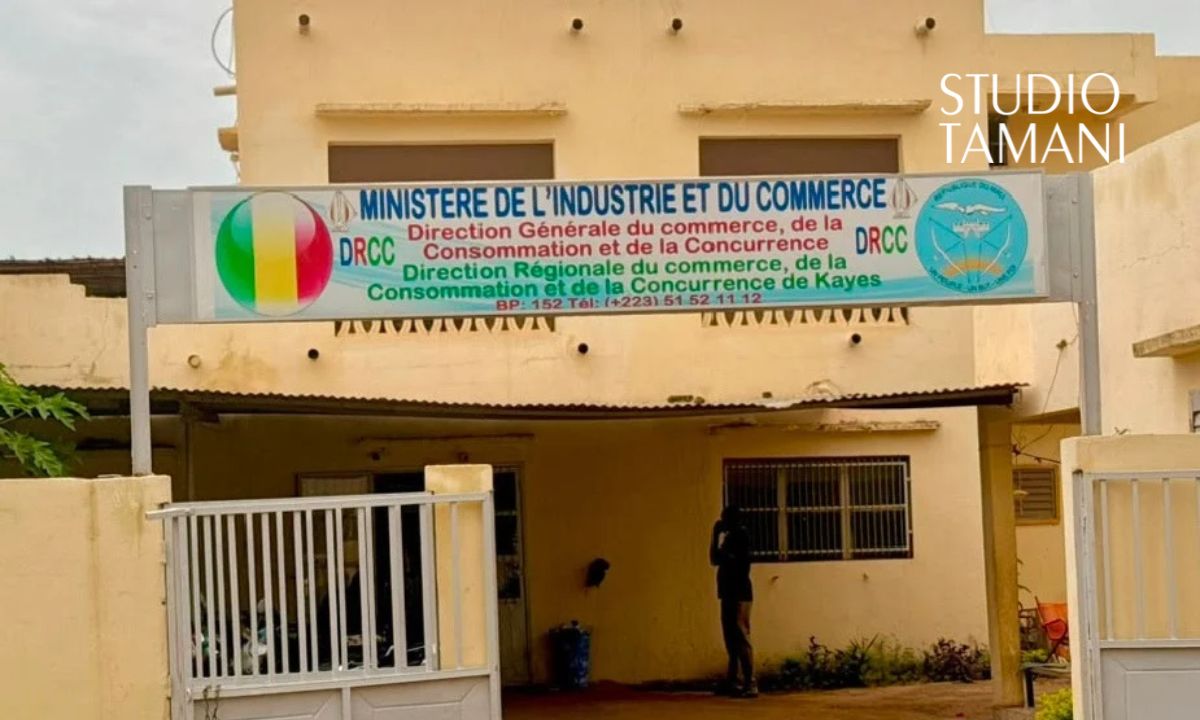
Mali: Kéniéba Illegal Cattle Export Interception by Commerce Directorate
Summary
- A semi-trailer truck carrying livestock was intercepted in Kéniéba, Mali, on Monday, September 21.
- The operation was conducted by the mobile brigade of the Direction régionale du commerce, de la concurrence et de la consommation.
- Authorities determined the animals were intended for illegal export to a neighboring country.
- The incident highlights ongoing efforts against Mali livestock smuggling in the Kayes region.
Incident Overview
This Kéniéba illegal cattle export interception underscores the persistent challenges faced by Malian authorities in regulating the movement of goods across its borders.
On Monday, September 21, authorities in Mali successfully intercepted a significant illicit shipment of livestock. The incident occurred in Kéniéba, a key area within the country's Kayes region, known for its cross-border activities. A large semi-trailer truck, heavily laden with cattle, was stopped by enforcement officials during an operation targeting illegal trade. This Kéniéba illegal cattle export interception underscores the persistent challenges faced by Malian authorities in regulating the movement of goods across its borders.
The vehicle, a substantial semi-trailer, was found to be transporting a considerable number of animals. This type of cargo is frequently associated with informal or illegal cross-border trade routes in the region. The interception highlights the ongoing efforts to curb unauthorized exports and maintain control over Mali's economic resources, particularly its valuable livestock.
Enforcement Action
The operation was meticulously carried out by the mobile brigade of the Direction régionale du commerce, de la concurrence et de la consommation. This regional directorate, responsible for overseeing commerce, competition, and consumer affairs, played a pivotal role in identifying and halting the illegal shipment. According to the brigade's assessment, the intercepted animals were specifically intended for an illegal export operation, with their final destination being a neighboring country.
This action by the Direction régionale du commerce Mali enforcement arm signals a continued commitment to enforcing national trade regulations. The agency's mobile brigade is tasked with patrolling and monitoring areas prone to illicit activities, such as the Kayes region, to prevent the unauthorized movement of goods. The clear declaration that the livestock was destined for illegal export emphasizes the severity of the alleged offense and the regulatory framework it violated.
Context of Illegal Trade
The interception of the cattle-laden truck in Kéniéba is indicative of a broader issue of Mali livestock smuggling Kéniéba and the wider Kayes region illegal cattle trade. This particular area, due to its geographical proximity to several neighboring nations, often serves as a conduit for both legitimate and illicit cross-border movements. The informal and illegal export of livestock can have significant economic repercussions for Mali, depriving the state of potential revenue and impacting local markets.
Such unauthorized trade activities often bypass official customs procedures and health inspections, posing risks not only to the national economy but also to animal health and food safety standards. The persistent nature of these challenges necessitates robust enforcement measures and continuous vigilance from agencies like the Direction régionale du commerce. Efforts to control Mali cross-border trade regulations are crucial for ensuring fair competition and protecting domestic industries.
Regulatory Significance
This specific Kéniéba illegal cattle export interception serves as a stark reminder of the ongoing battle against illicit trade practices within Mali. It underscores the importance of stringent adherence to Mali customs livestock export protocols, which are designed to regulate the flow of animals and ensure compliance with national and international standards. The mobile brigade's successful intervention demonstrates the practical application of these regulations on the ground.
The incident reinforces the message that authorities are actively monitoring and acting upon intelligence related to illegal exports. For businesses and individuals involved in the livestock sector, this event highlights the imperative of understanding and complying with all relevant Mali cross-border trade regulations to avoid severe penalties and disruptions to their operations. The Direction régionale du commerce continues to be a key player in upholding the integrity of Mali's commercial landscape.
Practical Implications
This incident signals heightened enforcement by Mali's Direction régionale du commerce, de la concurrence et de la consommation against illegal cross-border livestock exports. Lawyers advising clients involved in agricultural trade or logistics in Mali should review their clients' export compliance procedures and supply chain due diligence to mitigate risks of interception and penalties.
Source
How does this affect you?
Get an AI analysis of this article grounded in your jurisdictions, practice areas, and any policy documents you've uploaded to Wansom.
Finish Reading the Full Story and the Expert Analysis.
Get the latest legal & regulatory intelligence in Mali
Wansom is AI and can make mistakes.