
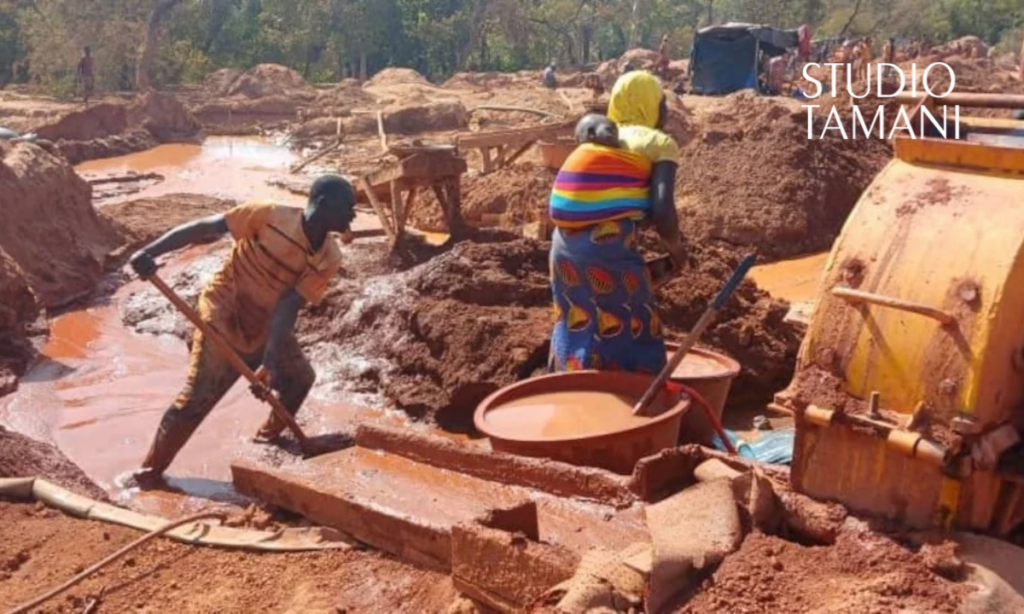
Mali: Clandestine Gold Dredging Prohibition Widely Ignored
Summary
- Gold dredging, the extraction of gold from riverbeds, is formally prohibited by Mali's current mining code, updated in 2023.
- This prohibition is due to the activity's severe negative impact on the environment and watercourses.
- Despite the ban, clandestine gold dredging continues extensively across Mali.
- The persistence of illegal dredging indicates challenges in environmental compliance and enforcement.
The Persistence of Clandestine Dredging
The continued widespread practice of illegal gold dredging in Mali, despite its explicit prohibition under the current 2023 mining code, signals significant challenges for effective environmental compliance and regulatory oversight.
The extraction of gold directly from the beds of rivers, a process commonly referred to as dredging, continues to be widely observed across Mali. This activity, which involves disturbing aquatic environments to recover precious metals, persists despite its explicit and formal prohibition within Mali's current mining code, which was updated in 2023. The ongoing prevalence of Mali illegal gold dredging operations highlights a significant and enduring challenge for environmental regulation and resource management within the country.
Reports indicate that these clandestine gold recovery methods are not isolated incidents but represent a pervasive issue throughout Mali's river systems. The continued widespread nature of these activities, even in the face of clear legal restrictions, underscores a critical gap between legislative intent and the practical realities on the ground. This situation raises serious questions regarding the efficacy of current regulatory frameworks and the enforcement capabilities designed to protect Mali's natural heritage.
Legal Framework and Environmental Imperatives
Mali's current national mining code, updated in 2023, unequivocally prohibits riverbed dredging for gold, a legislative stance adopted specifically to mitigate the severe environmental consequences associated with this extraction technique. This formal ban reflects a recognition of the profound and detrimental effects that such operations have on both the general environment and, more acutely, on vital watercourses. The Mali mining code environmental impact assessment was a key driver for this prohibition.
The rationale underpinning this prohibition is rooted in the activity's highly destructive nature. Dredging operations disrupt delicate aquatic habitats, introduce pollutants, degrade water quality through increased turbidity, and contribute significantly to erosion and sedimentation. These impacts collectively compromise the ecological integrity of Mali's rivers, affecting biodiversity and the availability of clean water, making Mali's current river gold extraction law, part of the 2023 mining code, a crucial protective measure.
Challenges in Compliance and Enforcement
The continued widespread practice of illegal gold dredging in Mali, despite its explicit prohibition under the current 2023 mining code, signals significant challenges for effective environmental compliance and regulatory oversight. This persistent failure to curb clandestine river gold extraction points to ongoing vulnerabilities within the enforcement mechanisms intended to safeguard Mali's natural resources. The situation clearly indicates that while Mali's current river gold extraction law, part of the 2023 mining code, is robust in principle, its practical implementation faces considerable hurdles.
For legal professionals advising mining companies or environmental compliance officers operating in Mali, this scenario highlights substantial and ongoing risks. The enduring nature of these illegal activities suggests not only persistent compliance risks for legitimate mining operations but also the potential for future, more stringent enforcement actions. Furthermore, it necessitates a thorough assessment of environmental liabilities and reputational exposure that can arise from association with or proximity to illicit practices within the sector, emphasizing the critical need for robust Mali environmental compliance mining strategies.
Practical Implications
Lawyers advising mining companies or environmental compliance officers in Mali should note the persistent failure of the mining code's prohibition against clandestine river dredging. This indicates ongoing compliance risks, potential for stricter enforcement, and the need to assess environmental liabilities and reputational exposure related to illegal activities in the sector.
Source
How does this affect you?
Get an AI analysis of this article grounded in your jurisdictions, practice areas, and any policy documents you've uploaded to Wansom.
Finish Reading the Full Story and the Expert Analysis.
Get the latest legal & regulatory intelligence in Mali
Wansom is AI and can make mistakes.