
Malawi Public Procurement: NABW Boosts Women-Led Businesses
Summary
- The National Association for Business Women (NABW) is actively working to enhance access for women-led businesses to public procurement opportunities in Malawi.
- This initiative stems from data indicating that women-led enterprises currently secure only 0.44% of all public sector contracts.
- NABW Executive Director Barbara Banda confirmed the organization's year-long engagement with stakeholders.
- The primary goal of these efforts has been to formalize women-led businesses within the procurement ecosystem.
What Happened
A significant increase from the current 0.44 percent share of public sector contracts would not only empower individual women entrepreneurs but also inject new dynamism into the national economy.
The National Association for Business Women (NABW) has intensified its initiatives to enhance the participation of women-led businesses in Malawi public procurement. This concerted drive aims to open up more public sector contracts for enterprises managed by women, addressing a significant disparity in current procurement practices. The organization's efforts are a direct response to recent data highlighting that women-led firms currently secure a mere 0.44 percent of all government contracts.
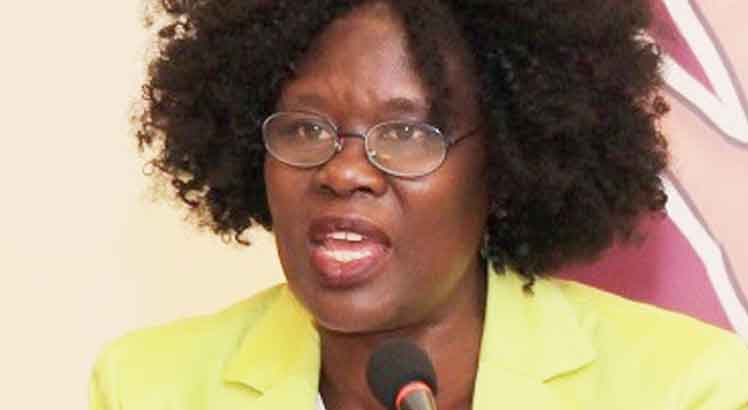
Barbara Banda, the Executive Director of NABW, confirmed that the association has dedicated the past twelve months to collaborating with various stakeholders across the country. This extensive engagement has been specifically focused on formalizing women-led businesses, a crucial step identified by NABW to better integrate them into the public procurement ecosystem and improve their chances of winning tenders. The ongoing work underscores a strategic push to rectify the existing imbalance in how public funds are distributed through contracts.
Legal and Regulatory Context
The strikingly low figure of 0.44 percent for women-led businesses in Malawi public procurement signals a significant gap in equitable access to government contracts. This statistic suggests that current procurement frameworks, whether by design or consequence, have not adequately facilitated the inclusion of women-owned enterprises. The push by the National Association for Business Women to formalize these businesses is a foundational step, as formalization often entails meeting legal and administrative requirements necessary for participating in public tenders, such as registration, tax compliance, and adherence to specific business standards.
Such initiatives by NABW, led by Barbara Banda, implicitly highlight the need for potential adjustments or reviews of existing public procurement policies and regulations. By working with stakeholders to formalize women-led businesses, NABW is not only preparing these enterprises for current opportunities but also advocating for a more inclusive regulatory environment. This could involve advocating for set-asides, preferential treatment, or simplified bidding processes tailored to support the growth and participation of women-owned businesses in Malawi government contracts, thereby fostering a more gender-responsive public sector.
Why It Matters
The concerted efforts to increase the involvement of women-led businesses in Malawi public procurement hold substantial implications for both economic development and gender equality. A significant increase from the current 0.44 percent share of public sector contracts would not only empower individual women entrepreneurs but also inject new dynamism into the national economy. Greater participation in Malawi procurement opportunities for women can lead to job creation, increased household incomes, and enhanced economic resilience within communities.
Furthermore, the formalization of women-led businesses, as championed by the National Association for Business Women under Barbara Banda's leadership, is critical for their long-term sustainability and growth. Formalization provides access to finance, legal protection, and a clearer path to scaling operations, which are often barriers for informal enterprises. Ultimately, a more equitable distribution of Malawi government contracts, ensuring women-owned businesses have a fair chance, aligns with broader national development goals and promotes a more inclusive and robust economic landscape.
Practical Implications
Lawyers advising businesses in Malawi should monitor upcoming changes in public procurement policies and regulations aimed at increasing participation of women-led enterprises, as this could create new tender opportunities or require adjustments to bidding strategies for clients.
Source
How does this affect you?
Get an AI analysis of this article grounded in your jurisdictions, practice areas, and any policy documents you've uploaded to Wansom.
Finish Reading the Full Story and the Expert Analysis.
Get the latest legal & regulatory intelligence in Malawi
Wansom is AI and can make mistakes.