
Malawi High Court: No Leniency for Public Land Encroachers
Summary
- Malawi's four major cities are experiencing widespread public land encroachment.
- Weak enforcement mechanisms, corruption, and prolonged legal battles have contributed to the issue.
- The consequences of unchecked urbanization include delayed infrastructure projects and increased regulatory risks for developers.
Urban Planning Under Siege
The Nation's investigation has established that rapid urbanisation, weak enforcement, corruption and protracted legal battles are contributing factors to public land encroachment in Malawi's cities.
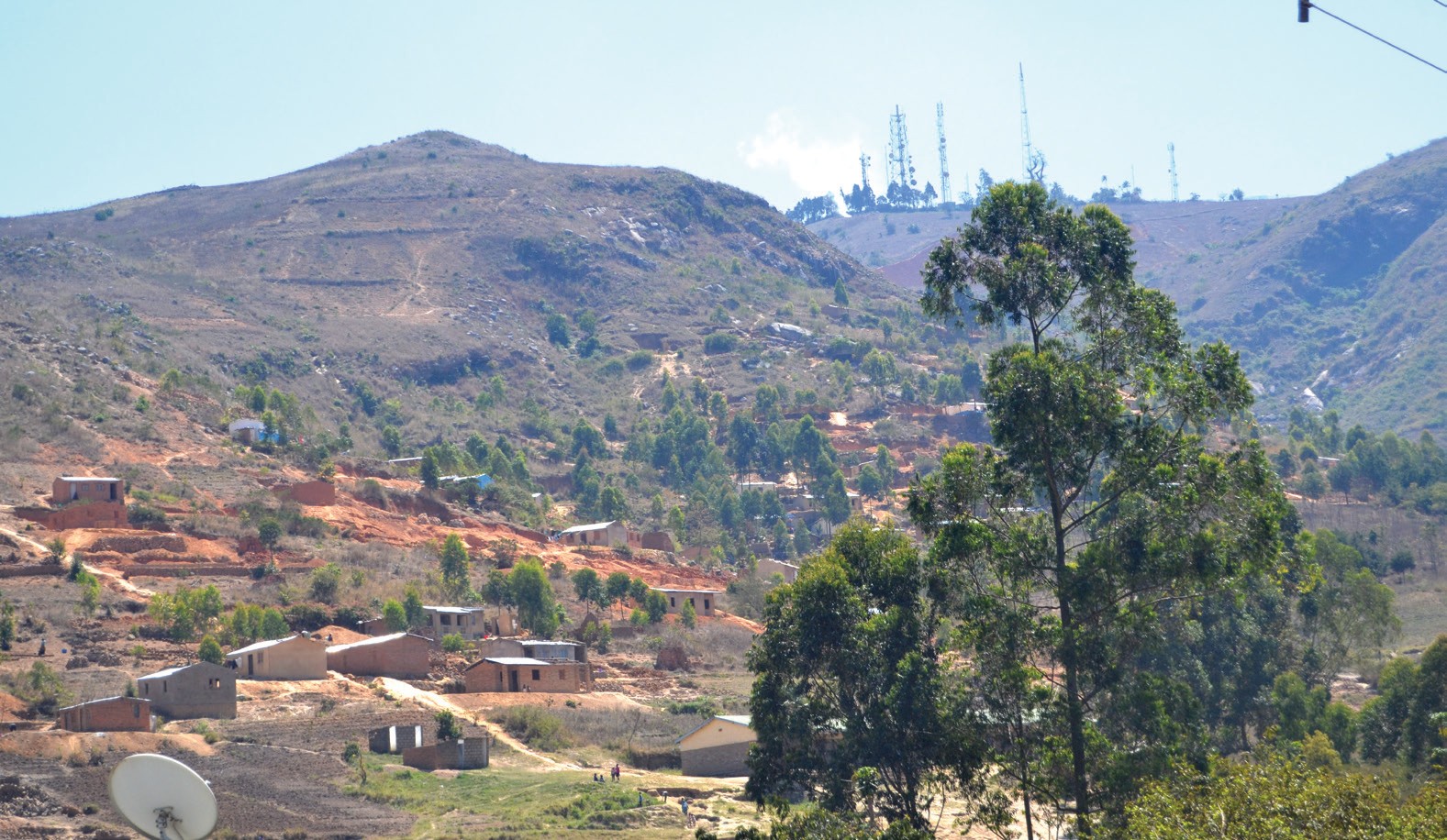
Malawi's four major cities are facing a pressing issue: the encroachment of public land. The Nation's investigation has revealed that large swaths of reserved land, intended for essential infrastructure like roads, schools, and health facilities, are being occupied without authorization. This phenomenon is not limited to one city; Blantyre, Lilongwe, Zomba, and Mzuzu are all grappling with the consequences of unchecked urbanization.
The situation is exacerbated by weak enforcement mechanisms, corruption, and prolonged legal battles. These factors have created an environment where land encroachers can operate with relative impunity, further complicating urban planning efforts.
Relevant Legal and Regulatory Context
Malawi's urban development regulations are designed to guide the use of public land. However, the lack of effective enforcement has allowed encroachments to persist. The government has implemented various measures to address these issues, including the creation of the Urban Development Fund to support infrastructure projects. Nevertheless, the pace of progress remains slow, and the consequences of inaction continue to mount.
The Nation's investigation has highlighted instances where landowners have been issued permits for development on public land, only to find that their projects are stalled due to regulatory hurdles or disputes over ownership. This highlights the need for a more streamlined approach to urban planning and development.
Why It Matters
The encroachment of public land in Malawi's cities has far-reaching implications for urban development. As the country continues to urbanize at an unprecedented rate, the need for effective planning and regulation becomes increasingly pressing. The potential consequences of inaction include delayed infrastructure projects, increased regulatory risks for developers, and a diminished quality of life for city residents.
Lawyers and compliance officers should be aware of these developments, as they may impact future infrastructure projects and trigger new filing deadlines or expose clients to regulatory risks. By understanding the complexities surrounding public land encroachment in Malawi's cities, stakeholders can better navigate the challenges ahead and work towards creating more sustainable urban environments.
Practical Implications
Lawyers and compliance officers should watch for the potential impact of these encroachments on future infrastructure projects, as they may trigger new filing deadlines or expose clients to regulatory risks.
Source
How does this affect you?
Get an AI analysis of this article grounded in your jurisdictions, practice areas, and any policy documents you've uploaded to Wansom.
Wansom is AI and can make mistakes.