
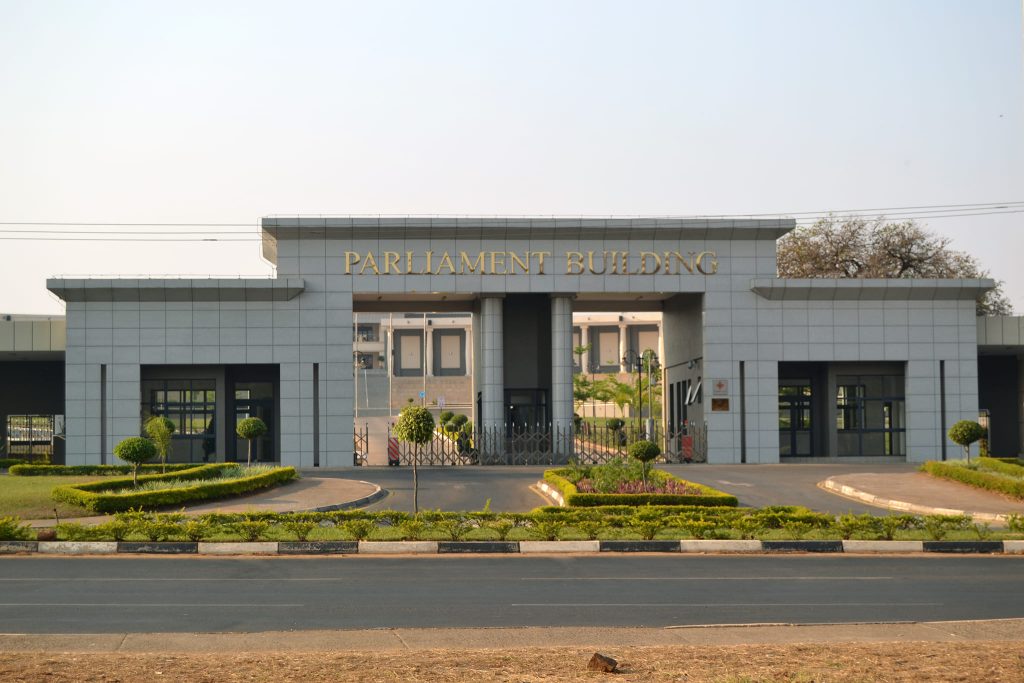
Malawi Parliament: Judicial Reforms Progress, ICCJ Establishment Underway
In Malawi, Parliament’s Public Appointments Committee (PAC) has reported significant progress in implementing legislative provisions of the Judicial Reform Acts, with ongoing stakeholder consultations, institutional establishment, financial arrangements, and the recruitment of a commissioner for the Independent Complaints Commission of the Judiciary (ICCJ).
This development is crucial for enhancing judicial accountability and public trust in Malawi's legal system. The establishment of the ICCJ, as part of broader judicial reforms, signifies a commitment to addressing complaints against judicial officers independently, which is vital for maintaining the integrity and impartiality of the judiciary. For practitioners, this means a new, formal avenue for addressing grievances related to judicial conduct, potentially leading to a more transparent and accountable judicial environment that could influence litigation strategies and professional ethics across the legal profession.
The "Judicial Reform Acts" refer to specific legislation aimed at improving the efficiency, transparency, and accountability of the Malawian judiciary. The establishment of an Independent Complaints Commission of the Judiciary (ICCJ) is a key component of such reforms, typically designed to provide an external mechanism for oversight, distinct from internal disciplinary processes. This aligns with principles of good governance and judicial independence, often advocated by international bodies and enshrined in constitutional frameworks that promote checks and balances within the state. The key parties involved are Parliament’s Public Appointments Committee (PAC), Kettie Musukwa as the Committee clerk, and the forthcoming Independent Complaints Commission of the Judiciary (ICCJ).
Legal professionals in Malawi should closely monitor the full operationalisation of the Independent Complaints Commission of the Judiciary (ICCJ) and the broader implementation of the Judicial Reform Acts. Understanding the ICCJ's mandate, procedures, and the identity of its commissioner will be essential for advising clients on avenues for redress concerning judicial conduct. These reforms are likely to reshape the landscape of judicial oversight, potentially influencing how cases are managed and how judicial officers are held accountable, thereby impacting litigation strategies and professional ethics. Attorneys should prepare to integrate these new accountability mechanisms into their practice.
How does this affect you?
Get an AI analysis of this article grounded in your jurisdictions, practice areas, and any policy documents you've uploaded to Wansom.
Wansom is AI and can make mistakes.