
Malawi NGO Urges Communities to Protect Children From Abuse
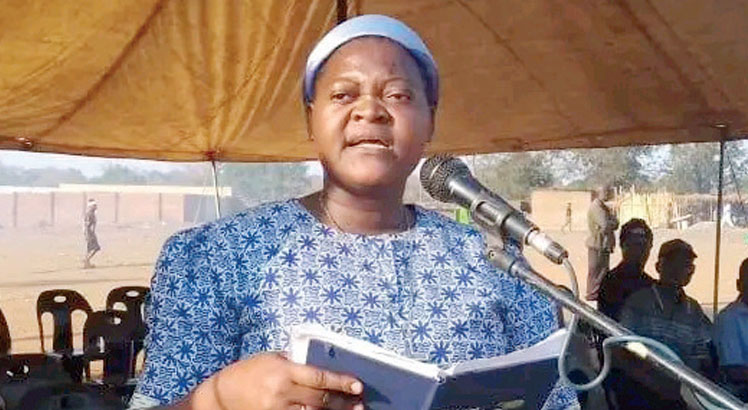
Sister Marie Sakina, project coordinator for Tikondane Care for Children, recently urged communities in Lilongwe, Malawi, to enhance child protection efforts against abuse and the perils of street life. Her call to action highlighted a concerning trend where some parents, guardians, and traditional leaders are reportedly failing in their duty of care, leading to children being exposed to dangerous street environments. This public statement from an NGO underscores the ongoing societal challenges related to child welfare and the critical need for collective responsibility in safeguarding the younger generation.
This advocacy by Tikondane Care for Children carries significant legal implications for practitioners in Malawi, particularly those involved in family law, human rights, and criminal justice. It emphasizes the persistent issues of child abuse and neglect, which often necessitate legal intervention. For attorneys, it highlights the importance of understanding and applying child protection legislation, advocating for the best interests of the child, and potentially initiating legal proceedings in cases where children's rights are violated. The involvement of traditional leaders in the discussion also brings to light the interplay between customary law and statutory law in child welfare matters, requiring practitioners to navigate both frameworks.
The legal context for child protection in Malawi is primarily enshrined in the Constitution, which guarantees fundamental rights for all citizens, including children. The cornerstone legislation is the Child Care, Protection and Justice Act (No. 22 of 2010), which provides a comprehensive framework for the care, protection, and justice for children, addressing issues such as abuse, neglect, and the welfare of children in need of care. Malawi is also a signatory to international instruments like the UN Convention on the Rights of the Child (UNCRC) and the African Charter on the Rights and Welfare of the Child (ACRWC), which are domesticated through national laws and guide judicial interpretation. Cases involving child protection typically fall under the jurisdiction of the Magistrates' Courts, often through specialized Child Justice Courts or Family Courts where established, which can issue protection orders, make custody determinations, or hear criminal cases related to child abuse.
Key parties in this context include Tikondane Care for Children and its coordinator Sister Marie Sakina, the vulnerable children themselves, parents, guardians, and traditional leaders. Government agencies such as the Ministry of Gender, Community Development and Social Welfare, and the Malawi Police Service (particularly their Child Protection Units), are crucial stakeholders responsible for enforcing child protection laws and providing social services.
Practitioners specializing in family law, human rights, or criminal law should remain acutely aware of their professional and ethical obligations under the Child Care, Protection and Justice Act. They should actively monitor policy developments, enforcement efforts, and community initiatives aimed at addressing child abuse and the plight of street children. Lawyers representing children or families must be proficient in the legal avenues available for reporting abuse, seeking protective orders, and ensuring that the child's best interests are paramount in all legal proceedings. This call to action also serves as a reminder for legal aid providers and pro bono initiatives to extend their services to support vulnerable children and families. The excerpt does not report on any specific legal ruling or outcome, but rather a call for increased community and institutional vigilance.
How does this affect you?
Get an AI analysis of this article grounded in your jurisdictions, practice areas, and any policy documents you've uploaded to Wansom.
Finish Reading the Full Story and the Expert Analysis.
Get the latest legal & regulatory intelligence in Malawi
Wansom is AI and can make mistakes.