
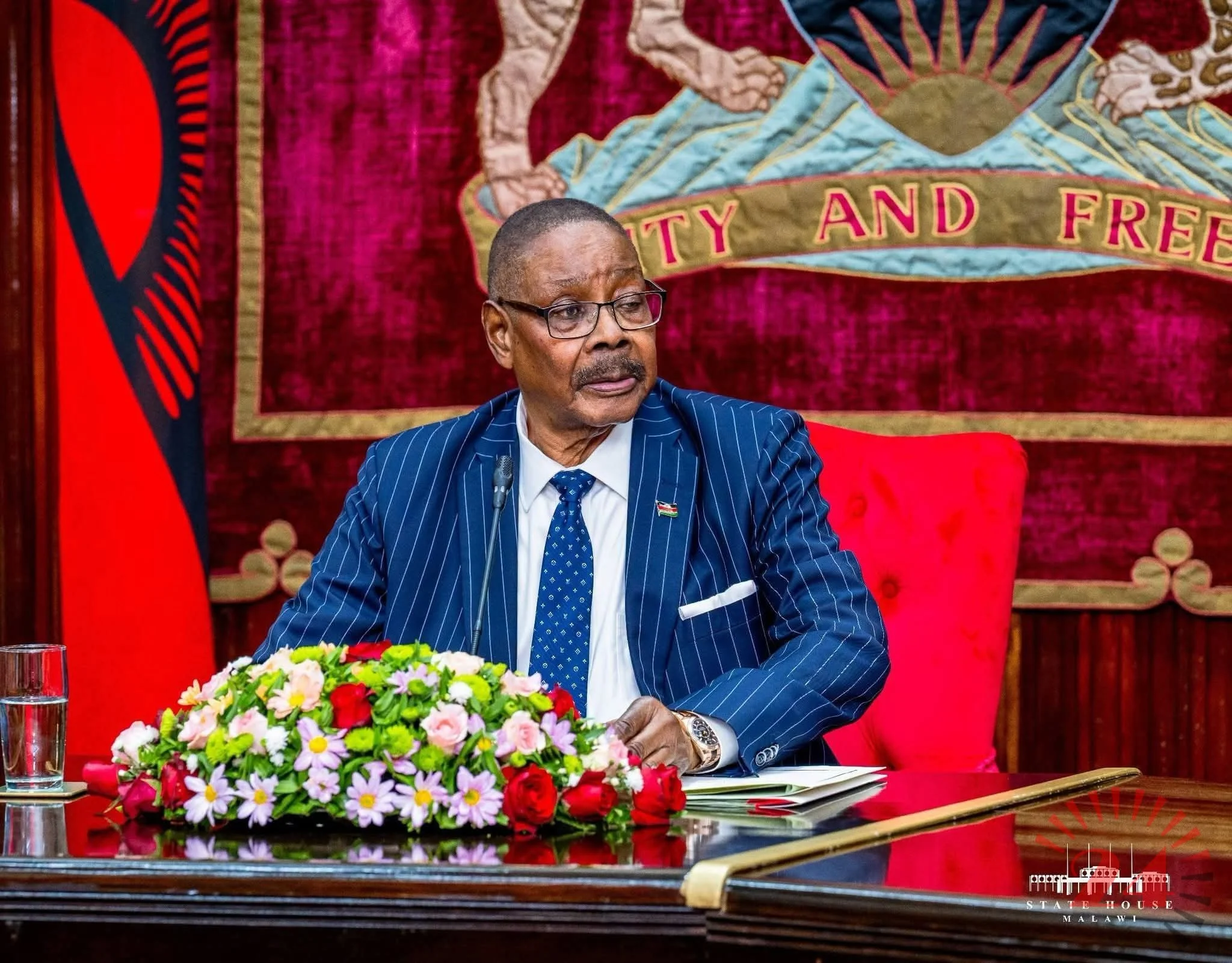
Malawi President Mutharika: Constitutional Violations Breach Oath
Summary
- On October 4, 2025, President Arthur Peter Mutharika solemnly swore an oath to faithfully lead Malawi, protect its constitution, and serve without bias.
- These sworn commitments are now widely viewed as a promise that was ultimately not fulfilled.
- The prevailing sentiment suggests that a president cannot violate the country's supreme laws and expect to continue governing.
- This situation highlights the critical importance of constitutional accountability for leaders in Malawi.
The Presidential Oath and Its Perceived Breach
The prevailing sentiment suggests that a head of state cannot systematically violate the supreme laws of the country and simultaneously expect to retain the legitimacy required for continued governance.
On October 4, 2025, President Arthur Peter Mutharika stood before the Malawian people and solemnly swore an oath of office. This pivotal moment saw him pledge to faithfully execute the responsibilities of the nation's leadership, to diligently protect the country's constitution, and to serve Malawi without fear or favor. The commitment made on that day was a public declaration of unwavering adherence to the highest legal and ethical standards expected of a head of state.
However, these very words now serve as a potent reminder of a promise that, in the view of many, ultimately went unfulfilled. The perception of a significant Arthur Peter Mutharika constitutional breach has emerged, casting a shadow over the tenure that followed this solemn declaration. This sentiment underscores a critical aspect of presidential conduct: the expectation that the leader will, at all times, uphold the foundational legal framework of the state.
Constitutional Imperatives
The presidential oath is not merely a ceremonial formality; it represents a fundamental covenant between the leader and the nation, embodying the very essence of the rule of law in Malawi. By swearing to protect the constitution, a president commits to being the ultimate guardian of the nation's legal architecture, ensuring that all actions taken by the executive align with the supreme laws of the land. Any perceived Malawi presidential oath violation therefore strikes at the very heart of democratic governance and the principle of constitutional supremacy.
The constitution stands as the paramount legal document, establishing the framework for government and defining the rights and responsibilities of both the state and its citizens. For a president to disregard or contravene these supreme laws is to undermine the very foundation upon which the nation's legal and political stability rests. The integrity of the state depends heavily on the unwavering commitment of its highest office to these constitutional tenets, making any deviation a matter of profound public concern regarding the rule of law Malawi Mutharika.
Accountability and Governance
The prevailing sentiment suggests that a head of state cannot systematically violate the supreme laws of the country and simultaneously expect to retain the legitimacy required for continued governance. This perspective highlights the critical importance of constitutional accountability for all public officials, especially those at the apex of power. The public discourse surrounding alleged Mutharika constitutional violations Malawi underscores a broader demand for adherence to legal principles and ethical conduct within the highest echelons of government.
Such discussions are vital for reinforcing the perception of presidential authority as being derived from and constrained by the constitution, rather than being absolute. The implications of a perceived constitutional breach extend beyond the immediate political landscape, influencing public trust in institutions and the long-term stability of democratic processes. This ongoing emphasis on Malawi constitutional accountability serves as a crucial reminder that no office, however high, is above the law, thereby safeguarding the foundational principles of a democratic society and upholding the principles of good governance in Malawi.
Practical Implications
This article serves as a reminder of historical constitutional accountability issues concerning former presidential conduct in Malawi. While not presenting an immediate actionable step, lawyers advising on governance, political risk, or constitutional law in Malawi should be aware of such public discourse and its implications for the perception of the rule of law and presidential authority.
Source
Source: Original reporting via Malawi24
How does this affect you?
Get an AI analysis of this article grounded in your jurisdictions, practice areas, and any policy documents you've uploaded to Wansom.
Finish Reading the Full Story and the Expert Analysis.
Wansom is AI and can make mistakes.