
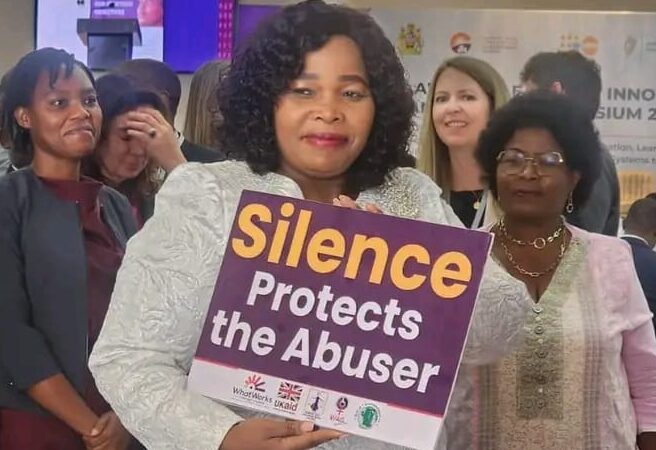
Malawi Minister: Weak Enforcement Cripples GBV Fight Despite Strong Laws
Malawi’s Minister of Gender, Children, Disability and Social Welfare, Mary Navicha, acknowledged that weak enforcement, poor access to services, and glaring accountability gaps are crippling the fight against Gender-Based Violence (GBV) in the country, despite the existence of relevant laws, with 24,467 cases reported in a single year.
This official admission from a high-ranking government minister carries immense legal significance, highlighting a critical implementation deficit within Malawi's justice system concerning GBV. It underscores that the mere presence of progressive legislation is insufficient without robust enforcement mechanisms, adequate resources for victims, and stringent accountability for perpetrators and duty-bearers. The staggering figure of 24,467 reported cases in a single year reveals the pervasive nature of GBV in Malawi, indicating a severe public health and human rights crisis that demands urgent and coordinated legal and social interventions. This situation can erode public trust in the justice system and perpetuate cycles of violence.
The legal context for addressing GBV in Malawi is robust on paper, primarily comprising the Gender Equality Act (2013), the Prevention of Domestic Violence Act (2006), and relevant provisions within the Penal Code addressing offences such as assault, rape, and sexual harassment. The Constitution of Malawi further underpins these laws by guaranteeing fundamental human rights, including the right to dignity and freedom from violence. The courts, including Magistrate Courts and the High Court, are responsible for adjudicating GBV cases, while the Malawi Police Service is tasked with investigation and prosecution. The Ministry of Gender, Children, Disability and Social Welfare is the primary government body responsible for policy formulation and oversight in this area. Key parties involved include Minister Mary Navicha, the Malawian government, victims of GBV, law enforcement agencies, and the judiciary.
Attorneys practicing in human rights, family law, or criminal defense must be acutely aware of these systemic challenges in GBV enforcement. They should advocate for improved access to justice for victims, including legal aid and support services, and push for greater accountability from state actors responsible for investigation, prosecution, and victim support. Understanding the specific legal protections available under Malawian law and how to navigate the existing systemic barriers is crucial for effective representation. For corporate clients, this societal issue highlights the importance of developing and implementing robust workplace policies addressing GBV, providing support to affected employees, and fostering a culture of zero tolerance for violence. The Minister's statement is an acknowledgement of a systemic problem, not a report of a specific legal ruling or outcome.
How does this affect you?
Get an AI analysis of this article grounded in your jurisdictions, practice areas, and any policy documents you've uploaded to Wansom.
Wansom is AI and can make mistakes.