
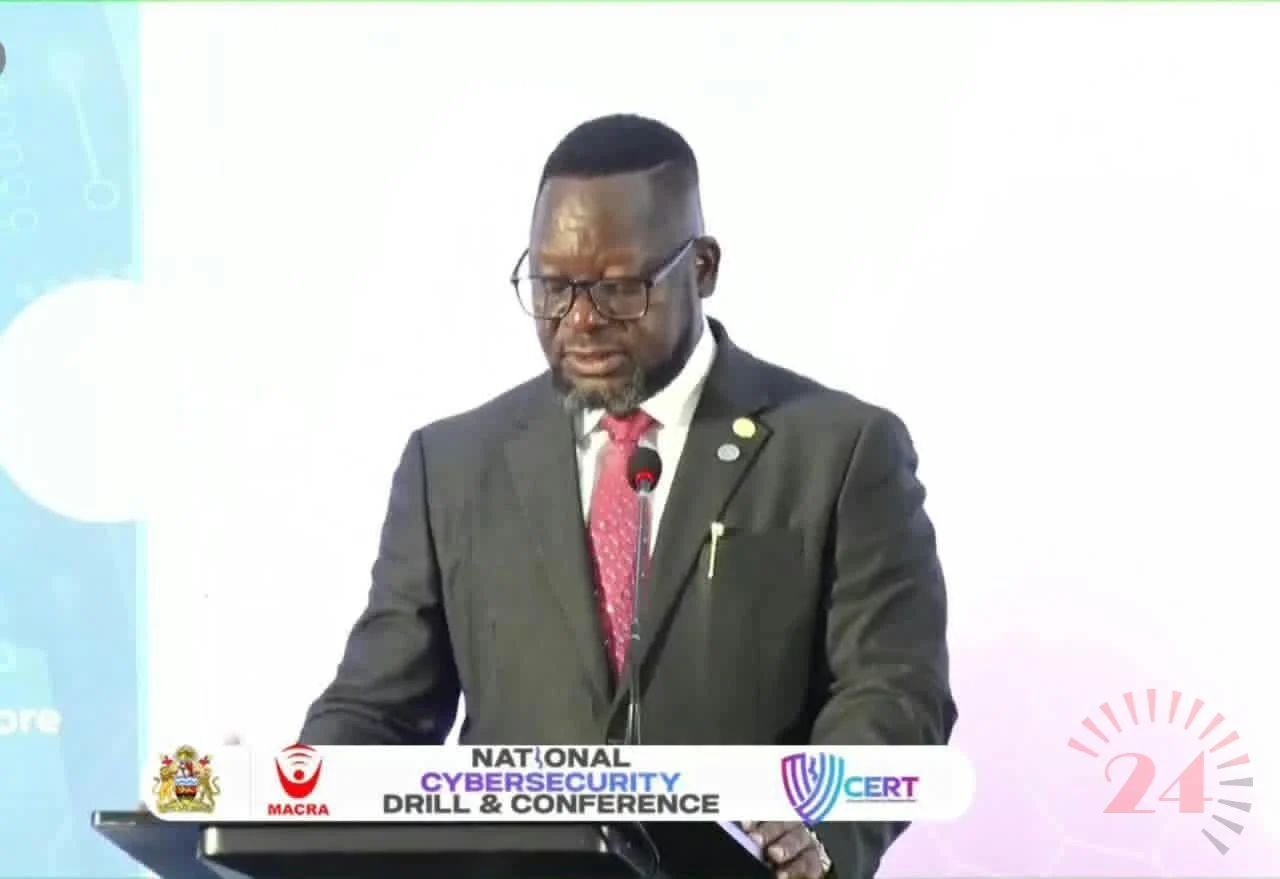
Malawi Minister Urges Action on Cyberbullying, Law Enforcement
In Malawi, Information Minister Shadric Namalomba recently challenged law enforcement authorities to take action against individuals responsible for unlawful online harassment and cyberbullying, describing himself as the most cyberattacked person on the internet.
This public challenge from a high-ranking official carries significant legal weight, underscoring the escalating problem of cyberbullying and online harassment in Malawi and raising critical questions about the effective enforcement of existing cybercrime laws. For legal professionals, it highlights the pressing need for clearer guidelines, more robust investigative mechanisms, and efficient prosecution processes for online offenses. It also signals a potential increase in litigation in this area, particularly concerning defamation, privacy rights, and the boundaries of freedom of expression in the digital sphere.
The primary legislation addressing such issues in Malawi is the Electronic Transactions and Cyber Security Act of 2016. This comprehensive Act criminalizes various forms of cybercrime, including cyber harassment, cyberbullying, and the dissemination of offensive or false information through electronic means. It provides a legal framework for law enforcement agencies, such as the Malawi Police Service, to investigate and prosecute these offenses. The Minister's challenge also implicitly references constitutional rights to freedom of expression versus rights to privacy and reputation, which courts, including the High Court, would be tasked with balancing in any related proceedings.
The key parties involved in this development are Information Minister Shadric Namalomba, the unnamed individuals engaging in online harassment and cyberbullying, and the various law enforcement authorities, such as the Malawi Police Service, who are being called upon to act. While the Minister has made a public statement, the outcome of any specific legal action or prosecution related to his challenge, including arrests or convictions, is not yet reported.
Attorneys should be acutely aware of the provisions of the Electronic Transactions and Cyber Security Act and its evolving application to online conduct. They must be prepared to advise clients, whether individuals, public figures, or organizations, on their rights and available remedies regarding online harassment, defamation, and the misuse of digital platforms. This incident suggests a potential governmental push for more active enforcement, meaning practitioners may anticipate an increase in cases involving cybercrime allegations, necessitating expertise in digital evidence, online investigations, and the nuanced interpretation of free speech versus protection from harm.
How does this affect you?
Get an AI analysis of this article grounded in your jurisdictions, practice areas, and any policy documents you've uploaded to Wansom.
Finish Reading the Full Story and the Expert Analysis.
Wansom is AI and can make mistakes.