
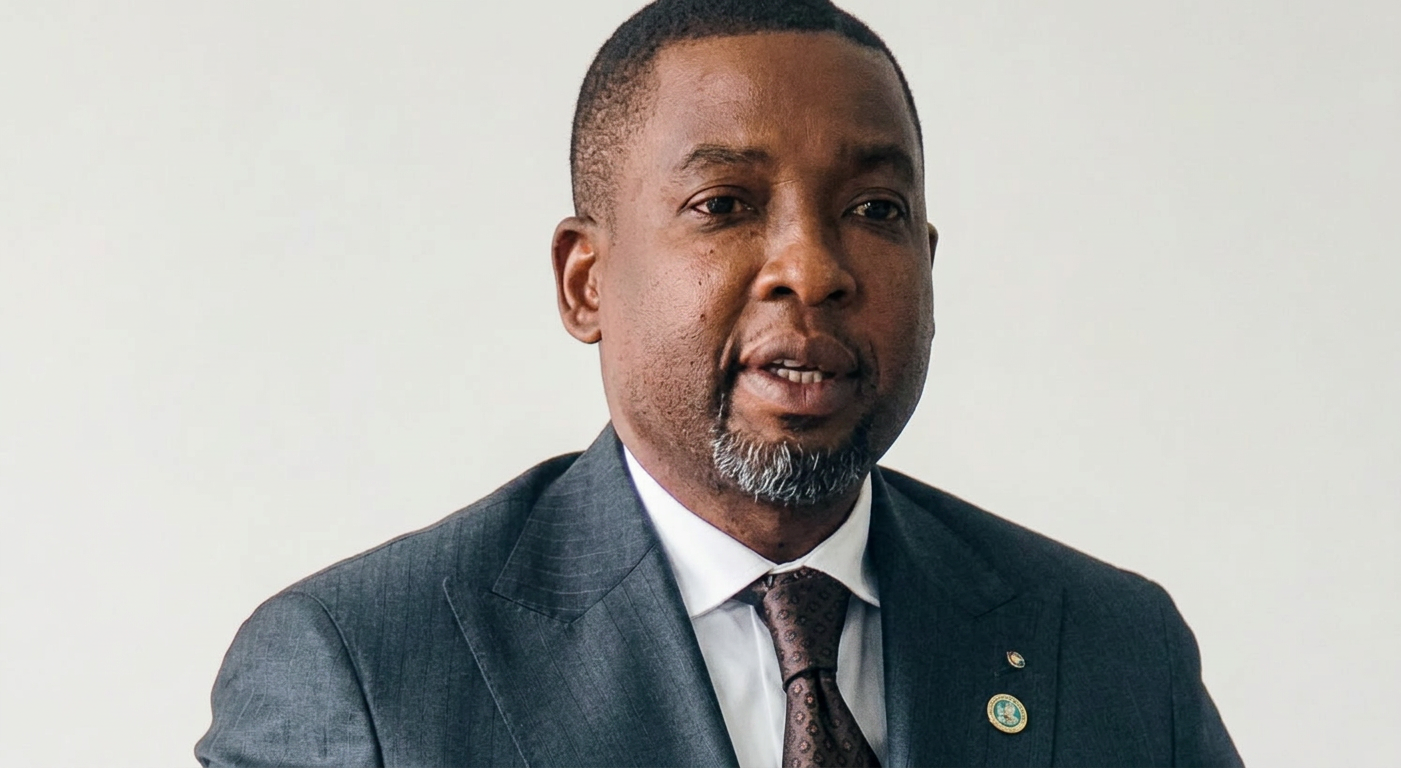
Chipungu Malawi Land Audit: Ministers Implicated in Irregular Procurement
Summary
- Malawi's Minister of Lands, Housing and Urban Development, Chimwemwe Chipungu, confirmed that serving and former Cabinet ministers are implicated in irregular land procurement.
- The findings stem from a pilot land ownership audit focused on Area 3 and Area 10 in Lilongwe.
- Other senior public officials are also involved in the irregular land deals.
- Minister Chipungu has vowed to publicize the names of all implicated individuals.
- This development signals heightened scrutiny and potential legal action regarding land transactions in Lilongwe.
Audit Reveals High-Level Land Irregularities in Lilongwe
For the legal and business communities, this development signals heightened scrutiny and potential legal action regarding land transactions in Lilongwe, particularly those involving public officials.
Malawi's Minister of Lands, Housing and Urban Development, Chimwemwe Chipungu, has confirmed that a pilot land ownership audit in Lilongwe has implicated both current and former Cabinet ministers, alongside other senior public officials, in irregular land procurement practices. The findings, presented by Minister Chipungu, specifically focused on land transactions within Area 3 and Area 10 of the capital city, signaling a targeted investigation into potentially illicit acquisitions.
The minister's announcement underscores a significant development in the ongoing efforts to address land governance issues within Malawi. The audit's scope, though initially limited to specific areas, suggests a broader concern regarding the integrity of land allocation and ownership processes, particularly when involving individuals in positions of power. The confirmation of high-ranking officials' involvement in what is termed 'irregular land procurement' points to systemic vulnerabilities that could have far-reaching legal and economic consequences.
In a move aimed at fostering transparency and accountability, Minister Chipungu has publicly committed to disclosing the names of all individuals found to be involved in these questionable land deals. This pledge sets the stage for potential legal actions and investigations, as the public awaits the full revelation of those implicated in the audit's findings. The focus on Area 3 and Area 10 land audit findings highlights specific hotspots where such irregularities are believed to have occurred, drawing attention to these particular zones within Lilongwe.
Legal and Regulatory Context of Land Governance
The confirmation of Malawi irregular land procurement in Lilongwe involving public officials raises serious questions about adherence to the nation's land laws and regulatory frameworks. Land acquisition in Malawi is governed by a comprehensive set of statutes designed to ensure equitable access, transparent processes, and prevent abuse of power. Irregular land procurement, by definition, implies a deviation from these established legal procedures, potentially involving corruption, fraud, or undue influence in the allocation and transfer of land parcels.
Such activities undermine the public trust and can lead to significant disputes over land ownership, impacting both individual citizens and potential investors. The involvement of Malawi public officials land deals, especially those holding ministerial positions, suggests a breach of their fiduciary duties and ethical obligations to serve the public interest. This situation could trigger various legal avenues, including criminal investigations for corruption or abuse of office, as well as civil proceedings for the recovery of illegally acquired assets.
The government's commitment to publicizing names indicates a move towards greater accountability, which is crucial for strengthening the rule of law and deterring future misconduct. This audit serves as a critical step in enforcing land governance principles and ensuring that land resources are managed fairly and legally for the benefit of all Malawians, rather than for the illicit gain of a select few.
Implications for Accountability and Investment
The revelations from the Chipungu Malawi land audit ministers report carry substantial implications for governance, public trust, and the investment climate in Malawi. The direct acknowledgement by a Cabinet minister that his peers and other senior officials are implicated in land corruption sends a powerful signal about the government's intent to tackle deep-seated issues. This level of transparency, particularly the promise to publicize names, is vital for restoring faith in public institutions and demonstrating a genuine commitment to combating corruption at all levels.
For the legal and business communities, this development signals heightened scrutiny and potential legal action regarding land transactions in Lilongwe, particularly those involving public officials. Lawyers should advise clients on increased due diligence for land acquisitions in these areas and prepare for potential investigations or asset recovery proceedings once implicated names are publicised. The integrity of land records and the legality of past transactions will undoubtedly come under intense review, potentially leading to challenges to existing land titles.
Furthermore, the audit's findings could influence foreign direct investment, as transparency and predictability in land ownership are critical factors for investors. A clear and fair land administration system is essential for economic development, and addressing these irregularities is a necessary step towards creating a more stable and attractive investment environment. The Chimwemwe Chipungu land corruption revelations underscore the urgent need for comprehensive land sector reforms and robust enforcement mechanisms.
Practical Implications
This development signals heightened scrutiny and potential legal action regarding land transactions in Lilongwe, particularly those involving public officials. Lawyers should advise clients on increased due diligence for land acquisitions in these areas and prepare for potential investigations or asset recovery proceedings once implicated names are publicised.
Source
How does this affect you?
Get an AI analysis of this article grounded in your jurisdictions, practice areas, and any policy documents you've uploaded to Wansom.
Wansom is AI and can make mistakes.