
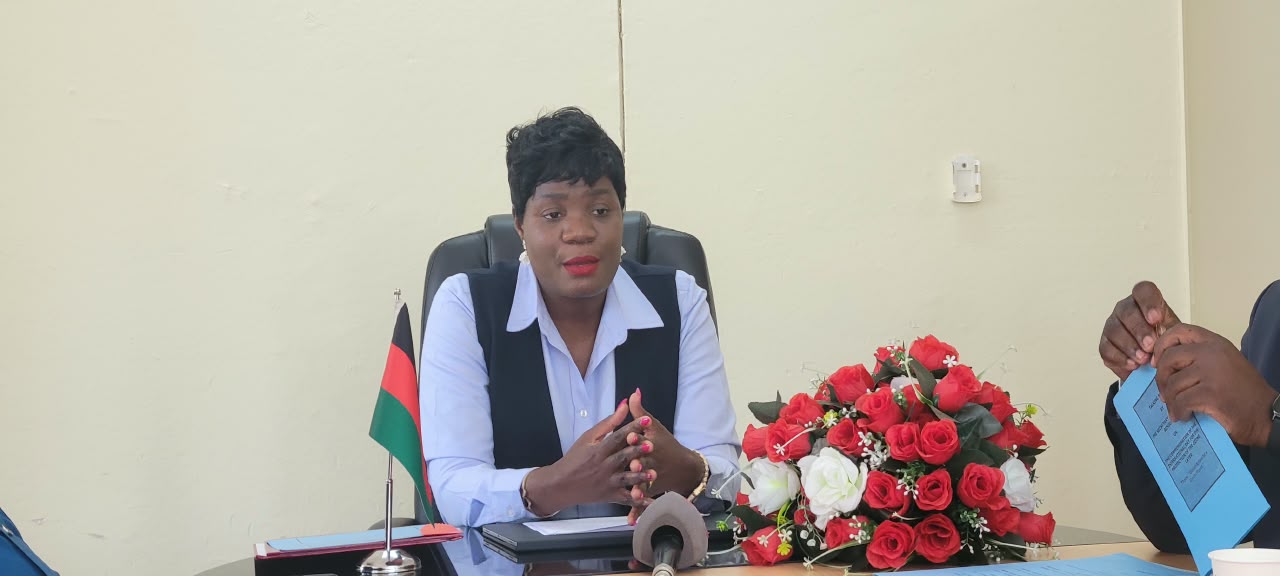
Malawi Minister Highlights Ozone Layer Policy Compliance
In September, Malawi's Minister of Natural Resources, Patricia Wiskesi, announced in Lilongwe that the country has made significant progress in protecting the ozone layer through policy action and compliance with international environmental agreements.
This statement highlights Malawi's continued commitment to international environmental law and its proactive stance on global environmental protection. For legal practitioners, this signals a sustained focus on environmental compliance within the country, potentially leading to the introduction of stricter domestic regulations, increased enforcement actions, and new opportunities in environmental law, particularly for businesses operating in sectors with significant environmental impact. It underscores the critical importance for legal professionals to understand the implications of international treaties and their domestication into national law, as these commitments often translate into tangible legal obligations for corporations and individuals.
The primary legal context for this development is international environmental law, specifically the Vienna Convention for the Protection of the Ozone Layer and its Montreal Protocol on Substances that Deplete the Ozone Layer, which Malawi has ratified. These international instruments form the bedrock of global efforts to protect the ozone layer, and their ratification means they are integrated into Malawi's legal framework, typically through national legislation. Relevant domestic laws would likely include comprehensive environmental management acts, specific regulations governing hazardous substances, and policies related to industrial emissions, product standards, and waste management. The Ministry of Natural Resources serves as the key regulatory body responsible for overseeing the implementation and enforcement of these environmental policies and laws.
The key parties involved in this context are the Government of Malawi, represented by the Minister of Natural Resources Patricia Wiskesi, and various international bodies that oversee environmental treaties. Domestically, the Ministry of Natural Resources is the principal actor driving policy and compliance. While no specific court cases are mentioned, the broader regulatory environment is shaped by these governmental actions and international obligations.
Attorneys should proactively advise clients, especially those in manufacturing, refrigeration, air conditioning, chemical production, or any industry utilizing or producing ozone-depleting substances (ODS), to thoroughly review their operations for compliance with existing and anticipated environmental regulations. Businesses should prepare for potential updates to national environmental laws, increased scrutiny of ODS usage, and enhanced reporting requirements. Monitoring policy statements from the Ministry of Natural Resources and staying abreast of international environmental law developments will be crucial for providing effective and proactive legal counsel, ensuring clients avoid penalties and maintain good corporate citizenship.
How does this affect you?
Get an AI analysis of this article grounded in your jurisdictions, practice areas, and any policy documents you've uploaded to Wansom.
Finish Reading the Full Story and the Expert Analysis.
Get the latest legal & regulatory intelligence in Malawi
Wansom is AI and can make mistakes.