
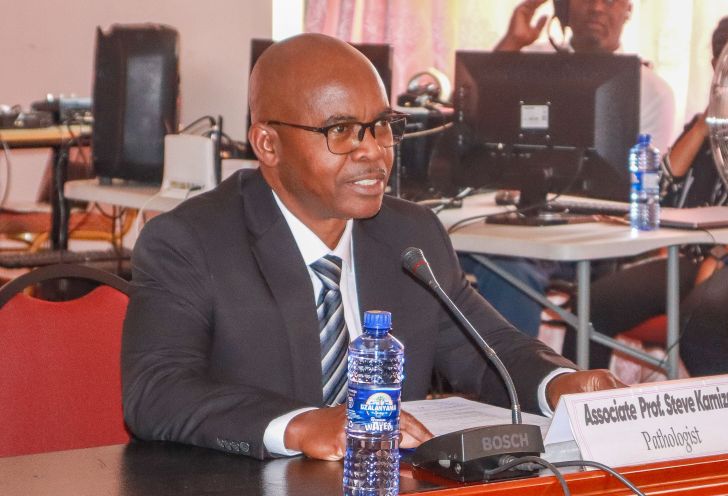
Malawi Parliament: June 10 Plane Crash Inquiry Hears Forensic Evidence
Summary
- A parliamentary inquiry is investigating the June 10, 2024, plane crash in Malawi that killed Vice-President Saulos Chilima and eight others.
- Forensic evidence presented by pathologist Steve Kamiza indicates a high-impact crash.
- Allegations from a police informant have raised questions about whether the disaster was accidental.
- The inquiry's findings could lead to criminal investigations, civil liability claims, or new aviation safety regulations.
The Ongoing Inquiry into a National Tragedy
The combination of forensic evidence pointing to a high-impact event and the informant's allegations questioning the accident's nature could pave the way for various legal and regulatory actions.
A parliamentary inquiry is currently underway in Malawi, meticulously examining the circumstances surrounding the tragic June 10, 2024, plane crash. This investigation seeks to uncover the precise events that led to the disaster, which claimed the lives of Vice-President Saulos Chilima and eight other individuals. The gravity of the incident has prompted a thorough review by legislative bodies, aiming to provide clarity and accountability for the nation.
The Malawi parliamentary inquiry crash proceedings have begun to shed light on initial findings, with crucial evidence being presented to the committee. The focus remains on understanding both the immediate cause and any underlying factors contributing to the fatal accident. This comprehensive Saulos Chilima plane crash investigation is a critical step for the country in addressing the profound loss and ensuring transparency.
Forensic Evidence and Emerging Allegations
Central to the ongoing Malawi June 10 plane crash inquiry is the presentation of compelling forensic evidence. Pathologist Steve Kamiza, who spearheaded the team responsible for conducting the post-mortem examinations on the June 10 2024 plane crash victims, has provided expert testimony. His team's findings indicate that the crash was characterized by a high-impact event, offering a scientific basis for understanding the severity of the incident. The detailed post-mortem reports, which outlined the victims' injuries, are a key component of this forensic analysis.
Adding another layer of complexity to the investigation are serious allegations brought forth by a police informant. These claims have introduced new questions regarding the nature of the disaster, specifically challenging the presumption that the crash was purely accidental. The parliamentary committee is now tasked with carefully evaluating both the scientific forensic evidence plane crash Malawi and these informant allegations to piece together a complete picture of what transpired.
Potential Ramifications and Future Oversight
The unfolding details from the Malawi parliamentary inquiry crash carry significant weight, with potential ramifications extending beyond the immediate findings. The combination of forensic evidence pointing to a high-impact event and the informant's allegations questioning the accident's nature could pave the way for various legal and regulatory actions. Lawyers and compliance officers are closely monitoring these developments, recognizing that the inquiry's conclusions might trigger criminal investigations if foul play is substantiated, or lead to civil liability claims against responsible parties.
Furthermore, the outcome of this Saulos Chilima plane crash investigation could profoundly influence future aviation safety regulations within Malawi and potentially across the region. Any identified systemic failures or breaches of protocol could necessitate new policies impacting government entities operating aircraft or private aviation operators. The thoroughness of this inquiry, particularly its handling of the forensic evidence and informant allegations, is crucial for establishing precedents in aviation safety and governmental accountability. The inquiry's findings are therefore not just about understanding a past tragedy, but about shaping a safer future for air travel.
Practical Implications
Lawyers and compliance officers should monitor the ongoing parliamentary inquiry into the June 10 plane crash in Malawi, particularly the forensic evidence and informant allegations, as findings could lead to criminal investigations, civil liability claims, or new aviation safety regulations impacting government entities or private operators in the region.
Source
How does this affect you?
Get an AI analysis of this article grounded in your jurisdictions, practice areas, and any policy documents you've uploaded to Wansom.
Wansom is AI and can make mistakes.